The Role of Vehicle Type in Dutch Car Insurance Rates
Overview
Understanding vehicle type insurance is essential for anyone navigating the Dutch car insurance market. In the Netherlands, car insurance rates are influenced by a variety of factors, with the type of vehicle being one of the most significant. Whether you own a compact city car, a family SUV, or a luxury sports vehicle, your choice directly impacts the premiums you pay.
The Dutch car insurance landscape is shaped by rigorous risk assessment models used by insurers to determine how likely a vehicle is to be involved in accidents, theft, or costly repairs. This means that the vehicle type you register affects not only your safety but also the financial aspect of insuring your car. Insurers consider the inherent risks linked to specific categories such as hatchbacks, sedans, sports cars, or electric vehicles, each presenting unique profiles.
Why does this matter? Because understanding how your car fits into these categories helps you make informed decisions about coverage and budgeting. For example, a small family car may attract lower premiums compared to a high-performance sports car, which typically incurs higher insurance costs due to increased risk factors.
Additionally, the Dutch market often reflects regional preferences and regulations that can affect car insurance rates. Factors like vehicle safety standards, repair costs, and even environmental considerations (such as emissions levels) play a role in shaping insurance policies. By grasping this overview, drivers can better anticipate how their vehicle choice impacts their insurance expenses.
"Choosing the right vehicle type is more than just about personal preference – it’s a strategic decision that influences your insurance premiums and overall ownership costs."
In this article, we will explore how vehicle type affects insurance, highlight popular vehicle categories in the Netherlands, discuss the impact of car age and model, provide real-world insurance cost examples, and share valuable tips for selecting vehicles that balance your needs with insurance cost efficiency.
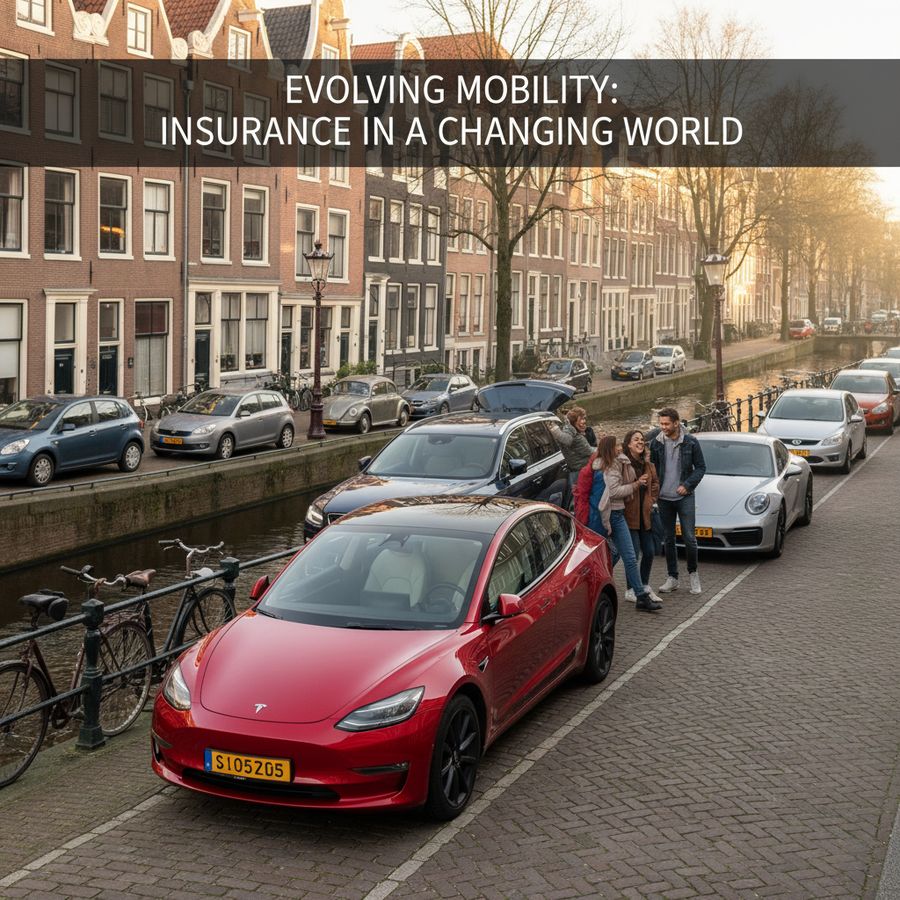
How Vehicle Type Affects Insurance
The impact of vehicle type on Dutch car insurance rates is profound due to the risk profiles insurers assign to different categories. Insurance companies analyze how likely a vehicle is to be involved in claims based on its type, size, engine power, and repair costs. These factors directly influence the premium you pay.
For instance, a compact car designed primarily for urban driving is generally considered less risky than a large SUV or a high-powered sports car. This is because smaller vehicles tend to be easier and cheaper to repair, have lower theft rates, and are often driven at lower speeds, reducing accident severity. Conversely, sports cars with powerful engines are statistically linked to higher accident rates and more expensive repairs, which insurers reflect in their pricing.
Insurance companies also consider:
Theft and vandalism risk: Some vehicle types, especially popular or luxury models, are more frequently targeted by thieves.
Repair costs: Specialized parts and labor for certain vehicles can drive up repair expenses, leading to higher premiums.
Safety features: Vehicles equipped with advanced safety technology may benefit from reduced rates due to lower accident risk.
Environmental factors: Electric and hybrid vehicles may receive favorable rates due to government incentives and lower emissions.
In the Netherlands, insurers utilize this data alongside driver history and location to tailor policies. The car model impact is particularly notable; even within the same category, newer models with better safety ratings or eco-friendly technologies can lead to lower insurance costs.
"Vehicle type serves as a cornerstone in calculating insurance premiums, encapsulating risk, repair complexity, and theft potential."
Understanding these dynamics enables Dutch drivers to anticipate how their vehicle choice influences insurance rates and to select coverage that aligns with their budget and protection needs.
Popular Vehicle Categories
In the Dutch market, certain vehicle categories dominate, each with distinct insurance implications. Familiarity with these categories can help drivers better understand how their car’s classification affects insurance costs.
1. Compact and Subcompact Cars: These vehicles are highly popular in urban areas due to their maneuverability and fuel efficiency. Examples include the Volkswagen Polo and Renault Clio. Their smaller engines and lower repair costs typically result in competitive insurance premiums.
2. Sedans: Mid-sized family cars such as the Toyota Corolla or Ford Focus fall into this category. They balance comfort and performance, often featuring moderate insurance rates thanks to good safety records and moderate repair costs.
3. SUVs and Crossovers: Growing in popularity, vehicles like the Nissan Qashqai and Volvo XC40 offer more space and versatility. While offering enhanced safety features, their larger size and higher repair costs can increase insurance premiums.
4. Sports and Performance Cars: This category includes models like the Porsche 911 or BMW M series. Known for high engine power and speed, these cars carry significantly higher insurance costs because of increased accident and theft risks.
5. Electric and Hybrid Vehicles: With a growing emphasis on sustainability, electric cars such as the Tesla Model 3 and hybrids like the Toyota Prius are becoming common. Some insurers offer discounts due to government incentives and lower emissions, though repair costs for specialized parts may be higher.
6. Vans and Commercial Vehicles: Used mainly for business, these vehicles require specific insurance tailored to commercial use. Their premiums vary based on usage, vehicle type, and risk exposure.
"Choice of vehicle category not only reflects lifestyle but also plays a pivotal role in determining your insurance expenditure."
By understanding these categories, Dutch drivers can better gauge their insurance expectations and select vehicles that offer the best balance between personal needs and insurance affordability.
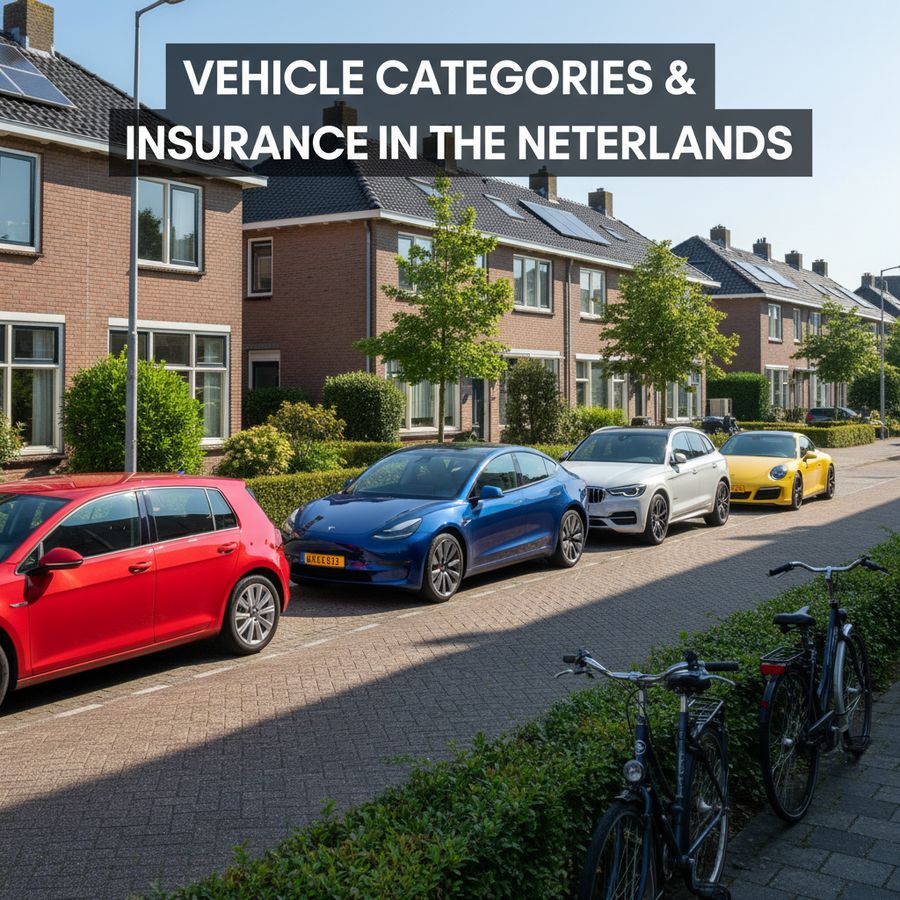
Impact of Car Age and Model
The age and model of a car significantly influence Dutch car insurance rates, often interacting closely with vehicle type. Newer cars usually benefit from advanced safety features and better theft protection, which can lower premiums, while older vehicles may attract higher costs or limited coverage options.
One key factor is depreciation. As vehicles age, their market value decreases, which affects the insurance coverage type and cost. For example, comprehensive coverage on a brand-new car is more expensive but offers extensive protection. Conversely, older cars might be insured under third-party or limited coverage plans, reducing costs but also the scope of protection.
Moreover, newer models often incorporate cutting-edge technologies such as automatic emergency braking, lane assist, and improved airbags, all of which reduce accident risk and repair severity. Insurers reward these safety advancements with lower premiums. In contrast, older models lacking these features may be seen as riskier, leading to higher insurance cost factors.
Repair costs also vary by model and age. Older vehicles may have cheaper parts but could be harder to repair if parts are scarce. Conversely, some new or luxury models have expensive components that increase repair expenses and thus insurance premiums.
Additional considerations include:
Reliability and breakdown risk: Older cars may have a higher likelihood of mechanical failure, influencing insurance offerings.
Model popularity: Popular models often have more readily available parts, reducing repair costs.
Technological integration: Newer cars with telematics or tracking devices may earn discounts due to theft prevention.
"Your car’s age and model are critical insurance cost factors that can significantly affect your premium and coverage options."
Understanding the interplay of age and model with vehicle type enables Dutch drivers to make smarter insurance decisions and find the most cost-effective coverage for their specific car.
Insurance Cost Examples
To illustrate how vehicle type insurance and other factors influence Dutch car insurance rates, consider the following examples representing typical premium scenarios for different vehicle types and models.
Example 1: Compact City Car
A 2020 Volkswagen Polo owned by a 30-year-old driver living in Amsterdam might pay an annual premium of around €450 for third-party, fire, and theft insurance. The Polo’s modest engine, strong safety ratings, and low theft risk contribute to this affordable insurance cost.
Example 2: Mid-size Family Sedan
A 2019 Toyota Corolla with similar driver demographics may have an insurance premium of approximately €600 annually. The vehicle’s good safety features and moderate repair costs balance out a slightly higher premium than compact cars.
Example 3: SUV
A 2021 Volvo XC40 SUV, driven by the same individual, might attract a premium around €850 per year. The vehicle size, increased repair costs, and slightly higher accident risk influence this rise in insurance cost.
Example 4: Sports Car
A 2022 Porsche 911 owned by the same driver could see premiums exceeding €2,500 annually. The car’s high performance, expensive parts, and higher theft rate cause insurers to charge considerably more.
Example 5: Electric Vehicle
A 2021 Tesla Model 3 might have a premium near €900 annually. While electric vehicles enjoy some discounts related to environmental incentives, the cost of specialized repairs keeps premiums relatively high.
"Insurance costs vary widely according to vehicle type and model, underscoring the importance of choosing a car aligned with your financial and coverage needs."
These examples demonstrate how Dutch car insurance rates fluctuate based on vehicle type and other insurance cost factors, helping drivers anticipate and plan their budgets effectively.
Tips for Choosing Insured Vehicles
Selecting a vehicle with insurance costs in mind can lead to substantial savings over time. Here are some practical tips tailored for Dutch drivers aiming to optimize their insurance expenses:
Research vehicle categories: Understand which vehicle types typically attract lower premiums, such as compact cars or sedans with strong safety records.
Prioritize safety features: Cars equipped with advanced safety technology tend to get better insurance rates.
Consider the car’s age and model: Newer models often mean lower premiums, but balance this against depreciation and overall cost of ownership.
Look for reliable and popular models: These tend to have cheaper repair parts and lower theft risks.
Evaluate electric and hybrid options: These may offer environmental benefits and incentives that reduce insurance costs.
Check insurance quotes before purchase: Use online tools to compare how different vehicles influence premiums.
Maintain a clean driving record: Your personal risk profile works alongside vehicle type to determine final rates.
"Choosing the right vehicle isn't just about style or performance, but also about how it affects your insurance premiums and long-term affordability."
By applying these strategies, Dutch drivers can make informed choices that reduce their insurance cost factors without compromising on their preferences or needs.
Conclusion
The role of vehicle type in Dutch car insurance rates is a crucial aspect that every driver should understand. From compact city cars to luxury sports vehicles, the type of car you own significantly influences your insurance premium through factors such as risk assessment, repair costs, and safety features.
Combined with variables like car age, model, and driving history, vehicle type lays the groundwork for how insurers calculate your rates. Understanding how these elements interact empowers you to choose vehicles that provide the best balance between protection and affordability.
Ultimately, making informed decisions about your car choice and insurance plan can lead to considerable cost savings and peace of mind on Dutch roads. For more insights on navigating the Dutch car insurance market effectively, visit our website.
"Understanding vehicle type insurance is key to unlocking smarter choices and better financial outcomes in the Dutch car insurance market."


Reacties
Een reactie posten