What You Should Know About Insurance for Rented Properties
Understanding landlord insurance for rented properties
So, you've got a property you're renting out. That's pretty cool! But have you thought about what happens if something goes wrong? That's where landlord insurance comes in. Think of it as your safety net for your rental business. It's not the same as your regular homeowner's policy; this is specifically designed for folks who own property and rent it to others. It's all about protecting your income stream and your physical asset.
What landlord insurance covers
Basically, landlord insurance is there to cover things that could happen because you're renting out your place. This usually includes damage to the building itself, like if a fire breaks out or a storm causes some serious damage. It can also cover things like a tenant getting hurt on your property and deciding to sue you. Some policies might even help out if your rental property is unlivable for a while due to covered damage, meaning you're not collecting rent – that's a big deal.
Key benefits of landlord insurance
The main perk is peace of mind, honestly. Knowing that you're covered if the unexpected happens makes a huge difference. It protects you financially from costly repairs or legal battles. Plus, it can help replace lost rental income if your property becomes temporarily unrented due to damage, which is a lifesaver for your cash flow. It’s a smart way to keep your investment safe.
When landlord insurance is essential
If you're renting out a property to someone else, you absolutely need landlord insurance. It's not really optional if you want to be smart about this. Lenders often require it too, especially if you have a mortgage on the rental property. Basically, any time you have someone else living in a property you own, this type of insurance is a must-have to keep your investment protected.
Tenant responsibilities and renters insurance
So, you're renting a place, huh? That's cool. But have you thought about what happens if something goes wrong in your apartment? Like, what if there's a fire, or someone breaks in and steals your stuff? Your landlord's insurance usually covers the building itself, but it definitely doesn't cover your personal belongings. That's where renters insurance comes in. It's basically your safety net for your personal property. Think about all the things you own – your laptop, your clothes, your furniture, maybe even that fancy coffee maker. Renters insurance can help replace those items if they're damaged or stolen due to things like fire, smoke, vandalism, or theft. It also often includes liability protection. This means if someone gets hurt in your apartment and decides to sue you, your insurance can help cover legal fees and medical costs. It’s a pretty smart move to protect yourself and your stuff, especially when you consider how much it all adds up. It’s not just about the big-ticket items; it’s about peace of mind knowing you won’t be left high and dry if disaster strikes.
Protecting your investment with property insurance
When you own a rental property, you're not just collecting rent; you're running a business. And like any business, it needs protection. That's where property insurance comes in, acting as a shield for your investment against unexpected events.
Coverage for the building structure
Think about the actual building – the walls, the roof, the floors. This part of your insurance policy is designed to cover damage to the physical structure of your rental property. If a storm rips off shingles, a pipe bursts and floods the basement, or a fire breaks out, this coverage helps pay for the repairs. It’s about getting the property back to its pre-damage condition so you can continue renting it out. Without this, a single major event could mean footing a massive repair bill all on your own, which is a scary thought for any property owner.
Protection against liability claims
Beyond the physical building, there's the risk of someone getting hurt on your property. Imagine a tenant or a visitor tripping on a loose step or slipping on an icy walkway. They could sue you for medical bills and other damages. Liability coverage is your safety net here. It helps pay for legal fees and any settlements or judgments if you're found responsible for an injury. This protection is super important because lawsuits can get expensive fast, and you don't want your rental income tied up in legal battles.
Understanding policy limits and deductibles
Every insurance policy has limits, which is the maximum amount the insurer will pay out for a covered claim. You also have a deductible, which is the amount you pay out-of-pocket before the insurance kicks in. It’s a balancing act. Higher limits give you more protection but usually mean higher premiums. A higher deductible typically lowers your premium, but you’ll have to pay more if you file a claim. Choosing the right balance between limits and deductibles is key to making sure your insurance actually protects your investment without breaking your budget. You need to look at your property’s value and your own financial comfort level when making these decisions.
Navigating different types of rental property insurance
When you're renting out a property, you've got a few different insurance pieces to think about, beyond just the basic homeowner's policy. Let's break down what these specialized coverages actually do for you.
Dwelling coverage explained
This part of your policy is all about the physical structure of the rental itself. Think of it as protecting the house or apartment building you own. It covers damage from things like fire, windstorms, or vandalism. It's the core protection for the bricks and mortar, the roof, the walls, and anything permanently attached to the property. If a storm rips off your roof or a fire damages the kitchen, dwelling coverage is what helps you rebuild or repair it so you can get it rented out again.
Loss of rental income protection
So, what happens if your rental property becomes unlivable due to a covered event, like that fire we just talked about? That's where loss of rental income protection comes in. If a fire or other covered disaster forces your tenants to move out temporarily, this coverage helps replace the rent money you'd normally be collecting. It's designed to keep your income stream flowing even when your property is temporarily out of commission for repairs. It can be a real lifesaver for your finances.
Coverage for other structures
Properties often have more than just the main building. You might have a detached garage, a fence, a shed, or maybe even a separate guest house on the property. Coverage for other structures is specifically for these separate buildings that aren't attached to your main dwelling. If a tree falls on your detached garage or a fence gets damaged by a car, this part of the policy helps pay for those repairs. It's important to make sure these are included so you're not left paying out-of-pocket for damage to these additional structures.
Making informed decisions about insurance for rented properties
Picking the right insurance for your rental property can feel like a puzzle, but it doesn't have to be overwhelming. First off, you really need to think about what you specifically need. Are you renting out a single room, a whole house, or maybe a duplex? Each situation has different risks. Consider the value of the property itself and what it would cost to rebuild it if something serious happened. Don't just guess; take a good look at the replacement cost. Then, when you start looking at quotes, don't just grab the first one you see. Shop around a bit. Look at a few different companies and compare what they cover and what they charge. It’s like comparing prices for groceries; you want to get the best bang for your buck without sacrificing quality. Finally, let's talk about the deductible. This is the amount you pay out-of-pocket before the insurance kicks in. A higher deductible usually means a lower monthly premium, but it also means you'll pay more if you actually need to file a claim. Think about how much cash you'd be comfortable setting aside if the unexpected happened.
Common pitfalls to avoid with rental property insurance
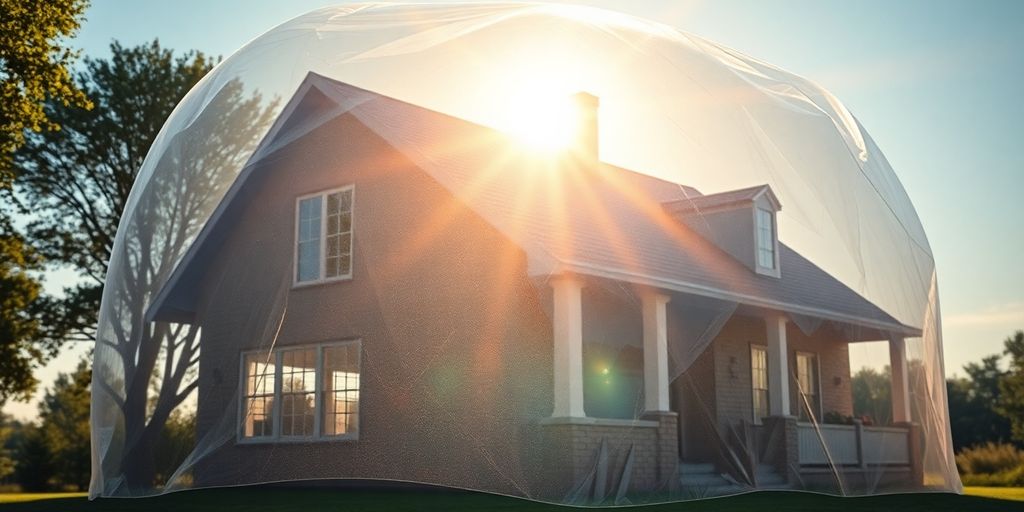
When you're insuring a rental property, it's easy to make mistakes that could cost you down the road. One biggie is underinsuring your property. This means your policy limit isn't high enough to cover the actual cost of rebuilding or repairing your place if something serious happens, like a fire. You might think you're saving money by picking a lower premium, but if disaster strikes, you'll be footing a huge chunk of the bill yourself. It’s like buying a cheap umbrella for a hurricane – it just won’t cut it.
Another common slip-up is ignoring liability coverage gaps. Accidents happen, and if a tenant or a guest gets hurt on your property, they could sue you. If your liability coverage isn't robust enough, you could be personally responsible for hefty medical bills and legal fees. You really don't want to find yourself in a situation where you're personally liable for someone else's injury because you skimped on insurance. Make sure your policy has enough protection for these kinds of unforeseen events.
Finally, don't forget to update your policy as things change. Did you just finish a major renovation that added significant value to your property? Or maybe you bought a new detached garage? If your policy doesn't reflect these changes, you might not be covered for their full value. It’s important to review your policy at least once a year, or whenever you make significant improvements, to make sure it still fits your needs.
So, What's the Takeaway?
Alright, so we've talked a lot about insurance for places you rent. It might seem like a hassle, but honestly, it's just smart thinking. You don't want to be stuck paying for stuff if something goes wrong, right? Think of it like this: it's a small price to pay for peace of mind. You can find policies that fit your budget and cover what you actually need. So, do a little research, compare your options, and get yourself covered. It’s really not that complicated once you break it down. You’ll be glad you did if anything unexpected happens.


Reacties
Een reactie posten