Essential Steps to Insure an Imported Car in the Netherlands
Overview
Importing a vehicle into the Netherlands can be an exciting process, especially when you have found the perfect car abroad that suits your preferences and budget. However, it’s essential to understand that owning an imported car comes with specific responsibilities, particularly relating to imported car insurance. Proper insurance coverage is a legal requirement and a critical step to protect your investment and comply with Dutch regulations.
The Netherlands has a well-structured system for Dutch car insurance that differs in some aspects from policies in other countries. As a car owner, especially of an imported vehicle, you must navigate unique challenges to ensure that your car is fully covered. This includes understanding the car import rules and the necessary steps to acquire suitable insurance that meets Dutch standards.
In this guide, we will walk you through the essential steps to insure an imported car in the Netherlands. From the initial paperwork and compliance with import regulations to choosing the right insurance policy, this article covers everything you need to know. Whether you’re a first-time importer or have experience, understanding these steps will help you avoid common pitfalls and enjoy your imported car with peace of mind.
“Proper insurance is not just a legal obligation but a vital safeguard for your imported vehicle in the Netherlands.”
By following the outlined steps, you ensure compliance with Dutch laws and protect yourself financially against potential risks on the road. The journey from importation to insurance can seem complex, but with clear guidance, it becomes manageable and straightforward.

Importing Rules
Before you can insure an imported car in the Netherlands, it’s crucial to understand the car import rules that apply. The process involves several legal and administrative steps to register your vehicle, pay the required taxes, and ensure it complies with Dutch vehicle standards.
First, when importing a car, you must declare the vehicle at Dutch Customs. The car will be subject to the payment of import duties and the Value Added Tax (VAT) if applicable. The exact fees depend on factors such as the vehicle’s origin, age, and emissions standards. Importing a car from another EU country generally involves fewer complications, but still requires registration with the RDW (Rijksdienst voor het Wegverkeer), the Dutch vehicle authority.
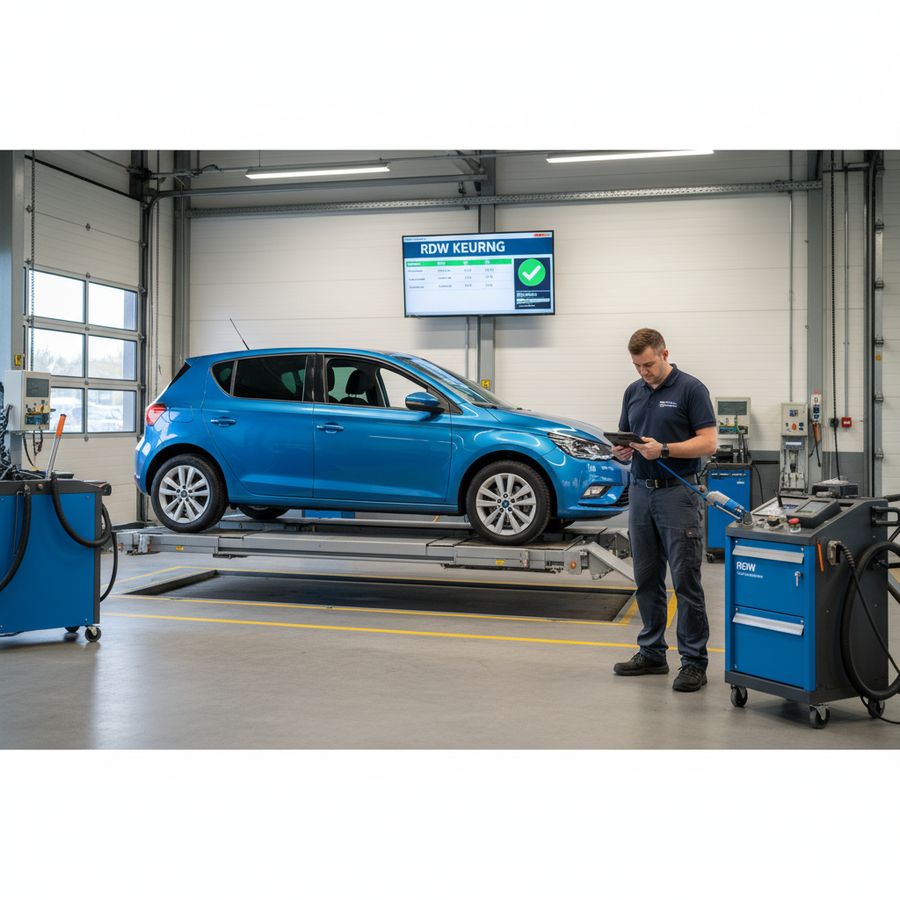
Once the car arrives in the Netherlands, it must pass an RDW inspection to verify that it meets Dutch safety and environmental standards. This inspection is mandatory and can include checks on vehicle identification numbers, emissions, and technical conditions. Only after successful inspection will your car be eligible for registration and receive a Dutch license plate.
Additionally, you will need to pay the motor vehicle tax (BPM - Belasting van Personenauto's en Motorrijwielen), which is calculated based on the car’s CO2 emissions and value. This tax can be significant, especially for newer or high-emission vehicles.
Declare the car at Dutch Customs and pay import duties and VAT if applicable.
Schedule and pass the RDW vehicle inspection.
Pay the motor vehicle tax (BPM) based on emissions and vehicle value.
Register the vehicle with the RDW and obtain Dutch license plates.
Understanding and complying with these import rules is fundamental before you proceed with insurance. Without proper registration and legal clearance, it is impossible to obtain valid Dutch car insurance.
Insurance Challenges
Insuring an imported car in the Netherlands can present unique insurance challenges compared to insuring locally purchased vehicles. Insurance companies may view imported cars differently due to factors like unfamiliarity with the make and model, spare parts availability, and repair costs.
One common challenge is that some insurers might charge higher premiums for imported cars because of the perceived increased risk or difficulty in sourcing parts. Additionally, policies might have specific exclusions or conditions for imported vehicles, so it is crucial to carefully review the terms and conditions before committing.
Another challenge is the verification of the vehicle’s history and condition. Insurers often require comprehensive documentation proving that the car complies with Dutch standards and has a clear ownership history. This can be more complicated for imported cars, especially if they come from countries with different vehicle standards or regulatory requirements.
Furthermore, some insurers may be hesitant to offer full coverage or specialized policies such as comprehensive or collision insurance for imported vehicles. This limitation can restrict your options and potentially increase your overall insurance cost.
“Insurance providers may regard imported vehicles as higher risk, impacting premiums and coverage options.”
To overcome these challenges, it is advisable to work with insurance brokers or companies experienced in imported car insurance. They can guide you in selecting a policy that balances coverage, cost, and compliance with Dutch legal requirements.
Required Documentation
Obtaining Dutch car insurance for an imported vehicle requires careful preparation of insurance documentation. Insurance companies need to verify the vehicle’s legitimacy, condition, and registration status before issuing a policy.
The key documents you will need to provide typically include:
Proof of ownership: The original purchase invoice or registration certificate from the country of origin.
RDW registration certificate: Confirmation that the vehicle is registered in the Netherlands and has passed the RDW inspection.
Proof of payment of BPM: Documentation showing that the motor vehicle tax has been paid.
Vehicle identification number (VIN) details: To verify the car’s identity and history.
Previous insurance documents (if applicable): To demonstrate the car’s insurance history, which may affect premiums.
Valid driver’s license and personal identification: For the named insured driver.
Having these documents organized and ready speeds up the insurance application process and helps avoid delays or refusals. Some insurance companies may request additional documents depending on the vehicle’s specifics or the policy type.
Ensuring accuracy and completeness in your insurance documentation is crucial. Any discrepancies can result in claim denials or coverage issues later.
Choosing the Right Policy
Selecting the appropriate insurance policy for your imported car is a critical decision that impacts both your legal compliance and financial protection. In the Netherlands, car insurance is mandatory, with a minimum requirement of third-party liability coverage (WA - Wettelijke Aansprakelijkheid).
However, for imported cars, especially those with higher value or unique specifications, many owners opt for more comprehensive coverage options:
WA (Third-party liability): Covers damages you cause to others but not your own vehicle.
WA+ (Limited comprehensive): Includes third-party liability plus coverage for theft, fire, and glass damage.
All-risk (Full comprehensive): Provides the broadest coverage, including damage to your own car, even if you are at fault.
When choosing the right policy for an imported car, consider factors such as the vehicle’s value, intended usage, and your personal risk tolerance. Some insurers offer tailored policies for imported vehicles that take into account the complexities related to parts and repairs.
Consulting with an insurance expert or broker who specializes in imported car insurance can help you identify policies that provide the best balance of coverage and cost. They can also clarify any terms related to the imported status of your vehicle to ensure there are no hidden exclusions.
Remember to assess the policy’s deductible, coverage limits, and claim process transparency before making a final decision, ensuring peace of mind on Dutch roads.
Cost Expectations
Understanding the insurance cost for an imported car in the Netherlands helps you budget effectively and avoid unexpected expenses. Premiums for imported vehicles can vary widely depending on several factors unique to the Dutch market.
Key elements influencing the cost include:
Vehicle make, model, and age: Less common or high-performance imported cars often have higher premiums.
Import status: Some insurers charge more due to perceived increased risk or difficulty in repairs.
Coverage level: Comprehensive policies cost more than basic third-party liability insurance.
Driver profile: Age, driving history, and claims record heavily impact premiums.
Location: Urban areas with higher theft or accident rates may lead to increased costs.
On average, imported car insurance is typically 10-30% more expensive than insurance for locally purchased vehicles. However, this premium can be offset by shopping around and leveraging the expertise of brokers who understand the nuances of insuring imported cars.
It is also important to factor in additional costs related to the import process, such as the BPM tax and RDW inspection fees, as these add to the total cost of owning an imported car.
“While imported car insurance may come at a premium, careful policy selection and documentation can keep costs manageable.”
Finally, always request multiple quotes and compare policy benefits to ensure you receive the best value for your investment.
Conclusion
Insuring an imported car in the Netherlands involves a clear process that begins with understanding the car import rules and completing all necessary registrations and inspections. Navigating the specific insurance challenges associated with imported vehicles requires careful attention to documentation and policy selection.
By gathering all required paperwork and collaborating with insurance providers familiar with imported vehicles, you can secure reliable and compliant Dutch car insurance. Although insurance for imported cars may be slightly more expensive than standard policies, the right approach ensures your vehicle is protected and legal to drive.
In summary, the key steps to effectively insure your imported car are:
Comply fully with Dutch import regulations and RDW registration.
Prepare and submit comprehensive insurance documentation.
Understand the insurance market and challenges for imported cars.
Choose a policy that fits your coverage needs and budget.
Compare quotes to find the best insurance cost.
Following these essential steps will help you enjoy your imported car with confidence and peace of mind on the roads of the Netherlands.


Reacties
Een reactie posten