Understanding No-Claim Bonus Benefits in Dutch Car Insurance
Overview
Understanding the no-claim bonus in Dutch car insurance is essential for drivers looking to optimize their insurance costs and rewards. The no-claim bonus, a widely recognized feature in the Netherlands, serves as a reward mechanism for policyholders who maintain a claim-free record over time. This bonus can significantly reduce insurance premiums, making it a valuable aspect of Dutch car insurance policies.
In the highly regulated Dutch car insurance market, insurers offer this bonus as an incentive to encourage safe driving and reduce the number of claims filed. The no-claim bonus system reflects a driver’s accident history by increasing the discount on premiums for each consecutive claim-free year. This benefit not only helps drivers save money but also promotes responsible driving habits across the Netherlands.
Insurance premiums in the Netherlands are influenced by multiple factors including vehicle type, driving experience, and claim history. Among these, the no-claim bonus stands out as a key element that directly impacts how much a driver pays annually. By avoiding claims, drivers can build up their bonus, which insurers translate into premium discounts, sometimes reaching substantial savings over several years.
Moreover, the no-claim bonus is part of a broader set of claim benefits in the Netherlands aimed at fostering safer roads and reducing insurance costs for cautious drivers. Many Dutch drivers actively track their no-claim status to ensure they maximize their benefits, sometimes comparing policies to find the best terms for their bonus retention and usage.
“The no-claim bonus is more than a discount; it’s a driver’s reward for safe, responsible behavior on Dutch roads.”
Overall, grasping how the no-claim bonus works can empower Dutch drivers to make informed decisions about their car insurance and potentially lower their insurance expenses by maintaining a clean driving record.
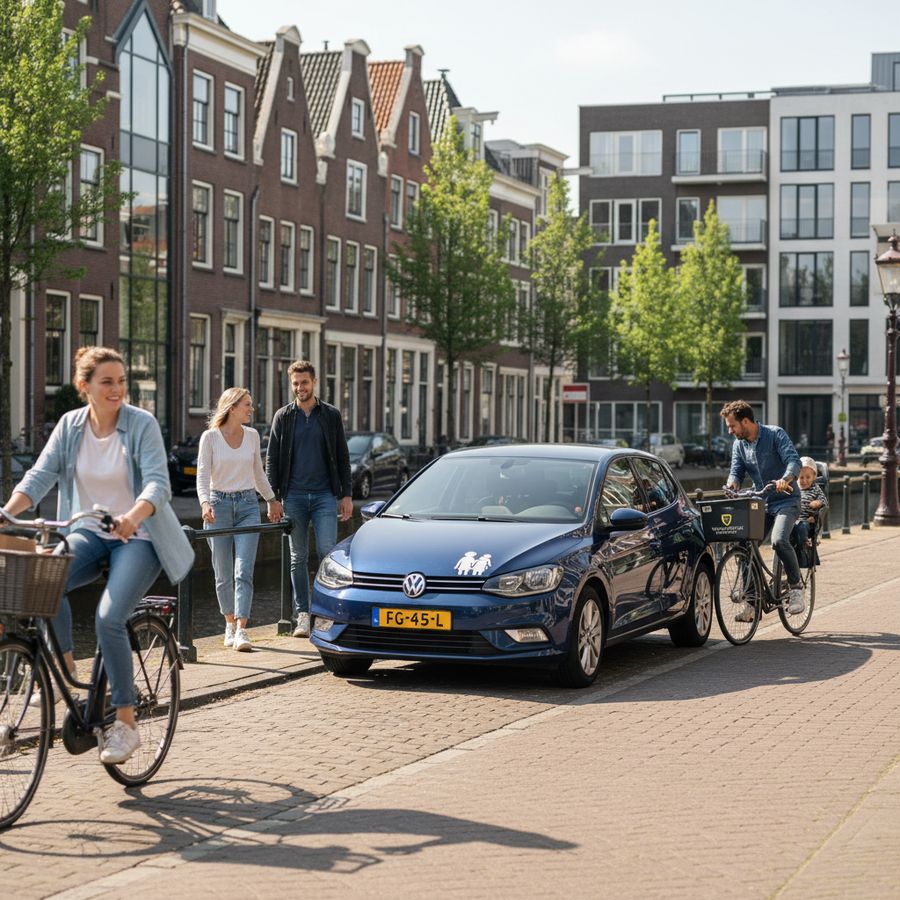
What Is a No-Claim Bonus?
The no-claim bonus is a discount offered by Dutch car insurance companies to policyholders who do not make any claims during a policy year. Essentially, it is a reward system designed to encourage safe driving by reducing insurance premiums for drivers who avoid accidents and do not file claims.
In the Netherlands, this bonus accumulates over time, with insurers granting an increasing percentage of premium discount for each consecutive claim-free year. For example, a driver who has not claimed for five years might receive a discount of up to 50% on their annual premium. The longer the claim-free period, the higher the bonus, reflecting the insurer's reduced risk in insuring a cautious driver.
How does it work in practice? When a driver renews their Dutch car insurance policy without having made any claims, the insurer increases their no-claim bonus level. Conversely, if a driver files a claim, this bonus may be reduced or reset depending on the insurer’s policy. This creates a direct financial incentive to avoid claims and drive safely.
It’s important to note that the no-claim bonus only applies to certain types of claims, typically excluding major liabilities or claims involving third parties. Additionally, some Dutch insurers offer “no-claim protection” options where a driver can make a limited number of claims without affecting their bonus, albeit often at an additional cost.
“The no-claim bonus rewards drivers not only with savings but also with recognition for their commitment to safe driving.”
Understanding this concept is crucial for Dutch motorists, as it can lead to substantial savings and influence the overall cost-effectiveness of their car insurance.
How to Earn and Maintain It
Earning and maintaining a no-claim bonus in Dutch car insurance requires consistent safe driving and avoiding claims. The process starts from the first year of obtaining a car insurance policy. Each claim-free year contributes to building this bonus, which accumulates incrementally.
To earn the no-claim bonus, a driver must:
Hold a valid Dutch car insurance policy.
Avoid making any claims during the policy year.
Renew the insurance policy without interruption.
Many insurers in the Netherlands use a “bonus-malus” system, where the bonus increases by one level for each claim-free year, reducing the insurance premium. Maintaining the bonus requires vigilance not to file claims for minor damages that can be paid out-of-pocket. This strategic approach helps preserve the accumulated discount.
Additionally, some Dutch insurers offer a no-claim protection feature allowing policyholders to make a claim without losing their bonus. While this protection can be advantageous, it typically involves an additional premium. Drivers should weigh the cost-benefit of this protection based on their driving habits and risk tolerance.
It’s also essential to understand the impact of changing insurers. Many Dutch drivers transferring their policy to a new insurer can often transfer their no-claim bonus, provided they can prove their claim history. Keeping detailed documentation of past policies and claim records is vital for maintaining the bonus across insurers.
“Consistent safe driving and careful claims management are the cornerstones of earning and maintaining a no-claim bonus.”
Ultimately, disciplined driving and strategic insurance decisions help Dutch vehicle owners maximize their no-claim benefits and enjoy lower insurance premiums.

Impact on Premiums
The impact of the no-claim bonus on insurance premiums in Dutch car insurance is significant. It directly affects how much a driver pays annually by providing discounts that grow with each claim-free year. Insurance companies reward safe drivers by reducing premiums to reflect the lower risk they pose.
Typically, the no-claim bonus can lead to premium discounts ranging from 10% to 75%, depending on the insurer and the number of claim-free years accumulated. For example, a driver with a 10-year claim-free history may enjoy one of the highest possible discounts, making their insurance substantially more affordable.
The financial benefit of the no-claim bonus is twofold:
Immediate Savings: Policyholders pay lower premiums each renewal period as their bonus increases.
Long-Term Benefits: Maintaining the bonus over many years can lead to substantial cumulative savings.
However, it's important to be aware that making a claim may reduce or reset the no-claim bonus, resulting in higher premiums. This can sometimes discourage drivers from filing claims for minor incidents, opting instead to pay out-of-pocket to preserve their bonus and thus keep premiums low.
Furthermore, insurance providers consider the no-claim bonus alongside other factors such as age, driving experience, and vehicle type when calculating premiums. Still, the no-claim bonus remains one of the most influential elements in premium determination for Dutch drivers.
“The no-claim bonus is a powerful tool for Dutch drivers to control their insurance costs through safe driving.”
In summary, the no-claim bonus helps Dutch motorists reduce their insurance premiums significantly, rewarding responsible driving behavior with tangible financial benefits.
Transferring the Bonus
Transferring the no-claim bonus is an important consideration when changing car insurance providers in the Netherlands. Drivers who have accumulated a no-claim bonus typically want to retain this valuable benefit when switching insurers to avoid paying higher premiums.
In the Dutch insurance market, the no-claim bonus is generally transferable between insurers, but certain conditions apply. To transfer the bonus, a driver must provide proof of their claim-free history, usually through a no-claim certificate or statement issued by the previous insurer. This documentation verifies the number of claim-free years and the current bonus level.
Key points about transferring the no-claim bonus include:
The bonus can usually be transferred without losing accumulated discount levels.
Drivers must request the no-claim proof from their previous insurer before switching.
Failure to provide proof may result in the new insurer assigning a lower or no bonus, increasing premiums.
It is also worth noting that different insurers may have slight variations in how they calculate or apply the no-claim bonus. Therefore, while the bonus is transferable, the exact discount received may vary by insurer.
Additionally, if a driver has made claims in the past, these will be reflected in the no-claim proof and may affect the bonus level granted by the new insurer. This transparency ensures that insurers can accurately assess risk and set premiums accordingly.
“Securing and transferring your no-claim bonus documentation is crucial for maintaining premium discounts when changing insurers.”
Ultimately, understanding the process and requirements for transferring the no-claim bonus empowers Dutch drivers to make informed insurance choices without losing their earned benefits.
No-Claim Bonus Limitations
While the no-claim bonus offers substantial benefits, it also comes with certain limitations that Dutch drivers should be aware of to manage expectations and make informed decisions.
One major limitation is that the no-claim bonus may not apply to all types of claims. For instance, some insurers exclude claims related to third-party liability or large damages from affecting the bonus. Additionally, minor claims sometimes lead to a reduction or loss of the bonus, depending on the insurer's policy.
Other important limitations include:
Bonus Expiry: If a policy lapses or is not renewed promptly, the no-claim bonus may expire or be reduced.
Limited Protection: No-claim protection options are not always included and may come at an extra cost, limiting the ability to file claims without penalty.
Variability Between Insurers: Different insurance companies may apply different rules regarding the accumulation, reduction, or transfer of the bonus, which can affect consistency.
Impact of Claims: Even a single claim can significantly reduce the bonus, leading to higher premiums despite previous safe driving.
Furthermore, the no-claim bonus system primarily rewards claim-free years but does not account for other safe driving factors, such as traffic violations or near misses. Thus, it is only one component of an insurer’s risk assessment.
“Awareness of no-claim bonus limitations helps drivers balance the benefits against the potential risks of filing claims.”
By understanding these constraints, Dutch drivers can better navigate their insurance options, deciding when to file claims and how to protect their no-claim bonus effectively.
Conclusion
In conclusion, the no-claim bonus is a cornerstone of Dutch car insurance that rewards safe driving by providing significant discounts on insurance premiums. Understanding what the no-claim bonus is, how to earn and maintain it, and its effect on premiums can empower drivers to make informed insurance decisions and save money.
The ability to transfer the no-claim bonus between insurers adds flexibility for drivers seeking more competitive policies without sacrificing their earned benefits. However, it's equally important to recognize the limitations of the no-claim bonus system to manage expectations and prevent surprises when making claims.
For drivers in the Netherlands, the no-claim bonus serves as a practical incentive to maintain a clean driving record and engage in responsible behavior on the roads. By strategically managing claims and selecting the right insurance options, policyholders can maximize their claim benefits and enjoy lower insurance costs.
“Maximizing the no-claim bonus is not just about savings; it’s about fostering safer roads and rewarding responsible driving across the Netherlands.”
Ultimately, having a clear understanding of the no-claim bonus and its nuances is invaluable for Dutch motorists aiming to optimize their car insurance experience and protect their wallets. To learn more about maximizing your benefits, visit Dutch Car Insurance.


Reacties
Een reactie posten