Building Insurance for Rental Properties Explained
Overview
Building insurance for rental properties is an essential safeguard that every landlord should consider to protect their investment. Unlike typical homeowners insurance, building insurance for rental properties specifically covers the physical structure of the rental property, safeguarding it against risks like fire, storms, vandalism, and other unforeseen damages.
The rental property market carries unique challenges and risks, making comprehensive insurance coverage indispensable. Rental property insurance not only secures the building itself but also provides peace of mind by mitigating financial losses that may result from damage or disasters impacting the property.
When managing rental homes, landlords face responsibilities that go beyond tenant relations. Protecting the physical asset through appropriate insurance policies ensures that landlords are shielded from costly repairs and replacements. This protection is often referred to as building insurance rental properties or landlord building insurance, highlighting its targeted nature for rental assets.
Building insurance benefits include coverage for the structure's walls, roof, floors, permanent fixtures, and sometimes even external features like garages or fences. This coverage is crucial because rental properties are often exposed to wear and tear from multiple tenants over time, increasing the risk of damage.
"Investing in rental property insurance is not just about protecting a building; it's about securing your rental income and long-term investment."
Understanding the nuances of this insurance type helps landlords make informed decisions. It’s important to note that building insurance for rental properties usually does not cover tenant belongings or liability claims, which are often included in separate policies like landlord insurance or contents insurance.
In summary, building insurance tailored for rental properties is a cornerstone of responsible property management, offering comprehensive protection for landlords against structural damage and unexpected costs.
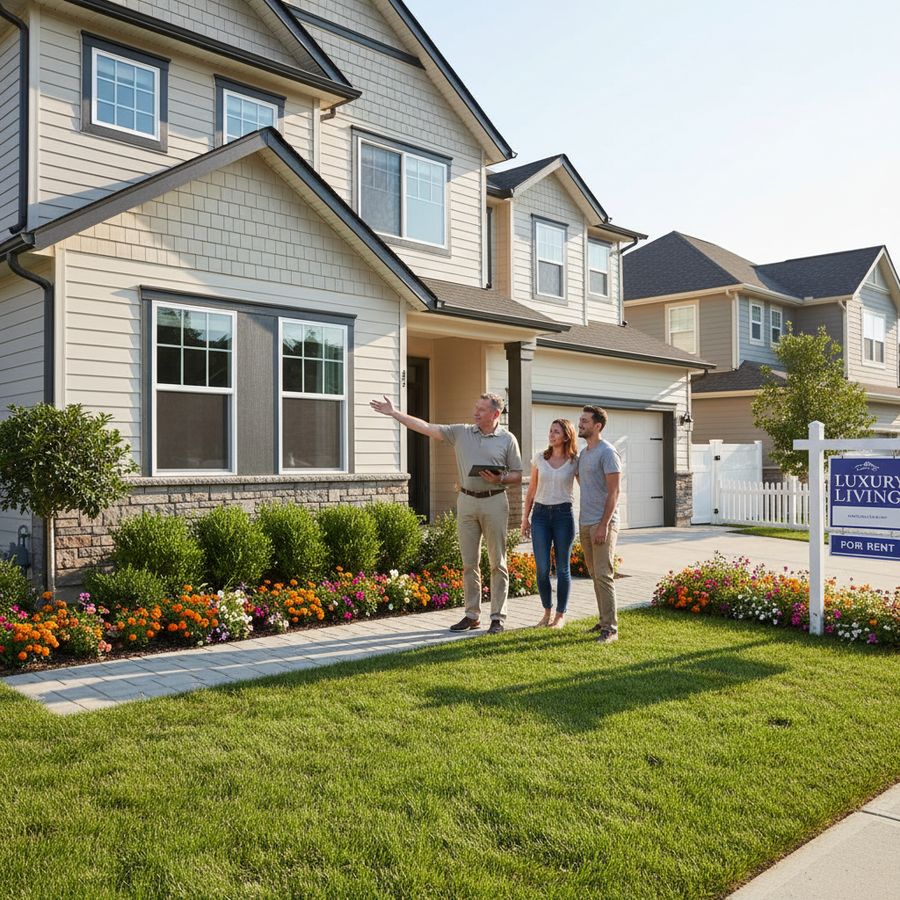
Benefits of Rental Property Insurance
Rental property insurance offers landlords numerous advantages that extend beyond basic property protection. One of the primary benefits is financial security. In the event of damage caused by fire, floods, storms, or vandalism, having the right insurance policy ensures that repair costs do not come out of the landlord’s pocket.
Another key benefit is the protection of rental income. Some policies include rent loss coverage, which compensates landlords for lost rent if the property becomes uninhabitable due to an insured event. This is particularly valuable as it helps maintain cash flow even during repairs or rebuilding phases.
Building insurance benefits also encompass peace of mind. Landlords can rest easy knowing that their investment property is protected against many common risks. This assurance enables landlords to focus more on managing tenants and less on worrying about potential disasters.
Moreover, many lenders require landlords to have adequate building insurance before approving mortgage loans. Having proper coverage can improve a landlord's credibility and financial standing when dealing with banks or investors.
Key benefits of rental property insurance include:
Protection against structural damage from natural disasters or accidents
Coverage for permanent fixtures and attached buildings
Potential compensation for lost rental income during repairs
Compliance with mortgage lender requirements
Financial security against unforeseen repair costs
"Adequate rental property coverage transforms risk into manageable cost, empowering landlords to protect their assets effectively."
Ultimately, investing in comprehensive rental home insurance not only safeguards physical assets but also enhances the landlord’s ability to operate a stable and profitable rental business.

Types of Building Insurance
There are several types of building insurance rental properties landlords can choose from, each designed to offer specific protection based on the property’s use and risks. Understanding these variations is crucial to selecting the right policy.
1. Standard Building Insurance: This policy covers the basic structure of the rental property, including walls, roof, floors, and permanent fixtures. It typically protects against risks like fire, storms, and vandalism.
2. Landlord Insurance: A more comprehensive option, landlord insurance often bundles building insurance with additional coverages such as landlord liability, loss of rent, and sometimes contents insurance for furnished properties. This is ideal for landlords seeking broader protection.
3. Vacant Building Insurance: Properties that are unoccupied for extended periods are at higher risk of damage and vandalism. Vacant building insurance offers specialized coverage for these scenarios, addressing risks that standard policies might exclude.
4. Commercial Building Insurance: If the rental property is a commercial building or mixed-use, this insurance specifically addresses the unique risks associated with commercial tenants and business operations.
5. Optional Add-Ons: Many insurers offer additional coverage options such as flood insurance, accidental damage cover, or legal expenses protection, allowing landlords to customize policies according to their needs.
"Choosing the right type of building insurance ensures landlords have tailored protection that fits their property’s specific risks and usage."
Knowing the distinctions between these types can help landlords avoid gaps in coverage. For example, a landlord with a furnished rental might need contents insurance alongside building insurance, while those with vacant properties should consider vacancy-specific policies to maintain protection.
Coverage for Landlords
For landlords, rental property coverage must address both the physical asset and operational risks. Building insurance forms the foundation of this protection, covering damages to the structure caused by covered perils.
Typically, coverage includes:
Structural damage to walls, roof, floors, and fixtures
Damage from fire, lightning, explosion, storms, and vandalism
Repair or replacement costs necessary to restore the property
Additional living expenses if the property becomes temporarily uninhabitable
Many landlords also opt for policies that include rent default or loss of rental income coverage. This feature compensates for lost rental payments during periods when the property is being repaired after damage.
Another important aspect is landlord insurance, which may combine building insurance with liability coverage. Liability coverage protects landlords from legal claims if tenants or visitors suffer injuries on the property due to maintenance issues or hazards.
"Comprehensive landlord coverage balances protection for the physical property with financial safeguards against rental income loss and liability risks."
Additionally, landlords should be aware that coverage limits and exclusions vary by insurer. It’s vital to review policy details carefully and consider factors such as the property’s location, age, and tenant profile to ensure adequate coverage.
Incorporating these protections helps landlords maintain their investment’s value, reduce financial exposure, and meet legal or lender requirements effectively.
Common Exclusions
While rental property insurance and building insurance provide vital protection, it’s equally important to understand what is typically excluded from coverage.
Common exclusions include:
Wear and tear: Damage due to normal aging, deterioration, or lack of maintenance is generally not covered.
Flood damage: Many standard policies exclude flood damage, requiring separate flood insurance where applicable.
Earthquake and other natural disasters: Coverage for earthquakes or other less common natural disasters may not be included without additional endorsements.
Tenant damage: Damage caused intentionally by tenants may be excluded or require specific coverage.
Contents and personal property: Landlords’ personal belongings or tenants’ possessions usually are not covered unless a contents policy is purchased.
Vacant property risks: Properties left empty for extended periods may be excluded from coverage unless vacant property insurance is obtained.
"Being aware of exclusions helps landlords avoid costly surprises and ensures they seek additional coverage where necessary."
Landlords should read through policy documents carefully and ask insurers about any unclear exclusions. Sometimes, gaps in coverage can be addressed with endorsements or separate policies tailored to specific risks.
How to Choose the Right Policy
Selecting the appropriate rental property insurance requires careful evaluation of the property’s characteristics, risks, and landlord priorities. Here are some key steps to guide the decision-making process:
Assess Your Property: Consider the age, construction type, location, and usage of the rental property. Properties in high-risk areas may need additional coverage.
Understand Coverage Needs: Determine whether you need just building insurance or a more comprehensive landlord insurance policy that covers liability and rental income loss.
Review Policy Limits and Exclusions: Compare coverage limits and understand what is excluded to avoid gaps.
Check for Optional Add-Ons: Evaluate optional coverages like flood insurance or accidental damage to see if they apply to your situation.
Compare Quotes: Obtain multiple quotes from reputable insurers to find competitive pricing and benefits.
Consult an Insurance Specialist: Speak with an expert who understands building insurance rental properties to get tailored advice.
"Choosing the right policy is about balancing adequate protection with cost-effectiveness—ensuring your rental property is secure without overpaying."
Remember, the cheapest policy may not always offer the best coverage. Prioritize policies that meet your specific risks and provide reliable support when claims arise. Regularly reviewing and updating your insurance as your rental portfolio grows or changes is also advisable.
Conclusion
Building insurance for rental properties is a critical component in safeguarding landlords’ investments. It provides essential coverage for structural damage, protects rental income, and helps landlords manage risks associated with property ownership.
By understanding the different types of insurance available, their benefits, and common exclusions, landlords can make informed decisions that align with their property management goals. Choosing the right policy tailored to the property’s unique risks ensures comprehensive protection and peace of mind. For more insights, visit Property Insurance.
"A well-chosen rental property insurance policy empowers landlords to protect their assets, maintain steady income, and build a successful rental business."
For landlords seeking to secure their rental homes effectively, investing time in researching and selecting appropriate building insurance coverage is an indispensable step toward long-term success.


Reacties
Een reactie posten