Rental Property Building Insurance: What Landlords Need to Know
Overview
Rental property building insurance is an essential safeguard for landlords who want to protect their investment properties from unforeseen damages and losses. Unlike standard homeowner insurance, rental property building insurance focuses specifically on the structure and physical components of a property that is rented out to tenants. This coverage is designed to mitigate financial risks associated with damage caused by events such as fire, storms, vandalism, or accidental incidents.
For landlords, having robust rental property coverage means peace of mind knowing that significant repair costs or rebuilding expenses will not come out-of-pocket. It also helps maintain the property's value over time and ensures compliance with any mortgage or lender requirements, which often mandate adequate insurance coverage. Landlord insurance typically combines building insurance with liability protection, but this post focuses on the building insurance aspect, which covers the physical structure itself.
In today’s dynamic rental market, where properties face diverse risks including weather extremes and tenant-related incidents, understanding the nuances of building insurance is vital. This overview sets the stage for landlords to grasp why insurance is not just a bureaucratic formality but a strategic necessity to secure their rental property assets.
“Proper rental property building insurance empowers landlords to navigate risks confidently, ensuring their investments are protected against unexpected damages.”
Throughout this article, we will explore the importance of landlord insurance, different types of rental property coverage available, key risk factors to consider, tips for selecting the best policy, and how to efficiently handle insurance claims and repairs.
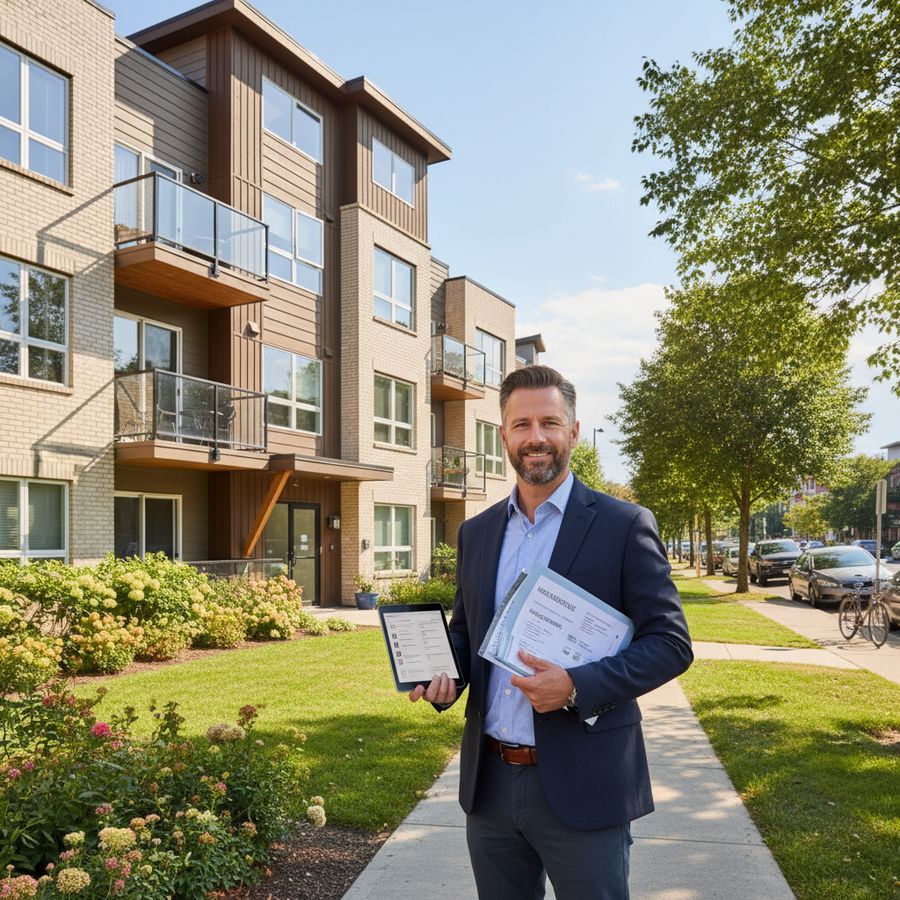
Importance for Landlords
Landlords face unique challenges when it comes to protecting their rental properties. Unlike owner-occupied homes, rental properties are exposed to greater wear and tear, higher tenant turnover, and sometimes negligent or accidental damage caused by tenants or visitors. This elevates the importance of securing comprehensive rental property building insurance.
Firstly, rental properties represent a significant financial investment. Without adequate insurance, landlords risk incurring substantial out-of-pocket expenses for repairs or rebuilding after disasters like fires, storms, or vandalism. These costs can be crippling, especially if the property is the landlord’s primary source of income.
Secondly, many mortgage lenders require landlords to maintain building insurance as a condition of their loan agreements. Failure to comply can result in loan default or legal complications, putting the property at risk. Moreover, having proper insurance coverage also protects the landlord’s reputation and relationship with tenants by ensuring the property remains safe and habitable.
Liability protection is another critical aspect of landlord insurance, often bundled with building coverage. This protects landlords from legal and medical costs if someone is injured on the property due to structural issues or maintenance failures.
In essence, rental property building insurance is not an optional expense but a fundamental part of responsible property management. It shields landlords from unpredictable financial burdens, supports compliance with legal and lender obligations, and helps maintain the property’s long-term viability.
“For landlords, insurance is more than a safety net – it’s a strategic tool to protect income, investment, and peace of mind.”
Types of Rental Property Coverage
When it comes to rental property building insurance, landlords have access to various coverage types tailored to different risks and property uses. Understanding these options is crucial for selecting a policy that fully addresses your unique needs.
1. Building Insurance: This is the core coverage that protects the physical structure of the rental property, including walls, roof, floors, and permanent fixtures. It covers damages caused by perils such as fire, lightning, storms, hail, vandalism, and some accidental damages.
2. Landlord Contents Insurance: While building insurance covers the structure, this policy insures items owned by the landlord inside the rental property, such as appliances, carpets, and furniture provided for tenants.
3. Loss of Rent Insurance: Sometimes included or available as an add-on, this coverage protects landlords against lost rental income if the property becomes uninhabitable due to an insured event, such as a fire or flood.
4. Liability Insurance: This covers legal and medical expenses if a tenant or visitor suffers injury or property damage on the rental premises due to landlord negligence or unsafe conditions.
5. Optional Add-ons: Depending on location and property type, landlords can add flood insurance, earthquake coverage, or protection for malicious damage caused by tenants or squatters.
Choosing the right combination of these coverages ensures landlords have comprehensive protection tailored to their rental property’s risk profile.
Building Insurance: Structural protection
Contents Insurance: Landlord-owned items
Loss of Rent: Income protection
Liability Insurance: Legal and injury coverage
Optional Riders: Specialized risk protection
“A well-rounded rental property coverage plan balances structural protection with income security and liability safeguards.”
Risk Factors
Understanding the risk factors that influence rental property building insurance premiums and coverage requirements is essential for landlords. These risks determine the likelihood and potential severity of claims, affecting both insurance costs and the breadth of coverage offered.
Location: Properties in areas prone to natural disasters such as floods, earthquakes, hurricanes, or wildfires face higher risks and thus higher insurance premiums. Urban properties may experience different risks like vandalism or theft compared to rural ones.
Property Age and Condition: Older buildings or those with outdated electrical, plumbing, or structural systems are more vulnerable to damage and costly repairs. Insurers may require upgrades or charge higher premiums for such properties.
Occupancy Type: The type of tenants (long-term residential, short-term vacation renters, commercial tenants) can impact risk. For instance, short-term rentals may have higher claims frequency due to property misuse or accidents.
Maintenance and Security: Well-maintained properties with proper security systems (alarms, locks, smoke detectors) reduce the risk of fire, theft, or vandalism, which can positively influence insurance terms.
Previous Claims History: A history of frequent insurance claims can signal higher risk to insurers, resulting in increased premiums or coverage restrictions.
By assessing these risk factors carefully, landlords can take proactive measures to reduce potential hazards and negotiate better insurance terms.
“Mitigating risks through proper maintenance and security not only protects tenants but also optimizes rental property building insurance costs.”
Policy Selection Tips
Selecting the right rental property building insurance policy requires a strategic approach that balances coverage, cost, and specific landlord needs. Below are key tips to guide landlords through this process:
1. Assess Your Property’s Unique Risks: Begin by evaluating your property’s location, age, condition, and tenant profile. This helps identify specific coverage needs and potential gaps.
2. Compare Multiple Quotes: Don’t settle for the first insurance offer. Obtain quotes from different providers to compare coverage options, exclusions, deductibles, and premiums. This ensures you get the best value for your investment.
3. Understand Policy Exclusions: Carefully read the fine print to understand what is not covered. Common exclusions might include certain natural disasters, gradual wear and tear, or tenant damage.
4. Opt for Adequate Coverage Limits: Ensure the insurance sum insured reflects the true rebuilding cost of the property, not just its market value. Underinsuring can lead to significant out-of-pocket expenses after a claim.
5. Consider Bundling Policies: Some insurers offer discounts if you combine building insurance with landlord contents and liability insurance, providing comprehensive protection at a lower cost.
6. Check Insurer Reputation and Support: Choose insurers with strong customer service, clear claims processes, and positive reviews. Efficient claims handling can make a major difference during stressful times.
By following these building insurance tips, landlords can confidently select policies that protect their assets and minimize financial risks.
“A carefully chosen insurance policy is a landlord’s best defense against unexpected rental property expenses.”
Claims and Repairs
Filing insurance claims and managing repairs effectively is a critical part of the rental property insurance journey. When damage occurs, swift and organized action can minimize downtime and financial loss.
Reporting Claims Promptly: Notify your insurer as soon as possible after an incident. Provide clear documentation, including photos, videos, and detailed descriptions of damage. Prompt reporting helps speed up the claims process.
Understanding the Claims Process: Each insurer has its procedure involving damage assessment, repair cost estimates, and approval steps. Familiarize yourself with these to avoid delays or misunderstandings.
Choosing Qualified Contractors: Opt for licensed and insured repair professionals to ensure quality work. Some insurers have preferred vendors which can simplify coordination and guarantee standards.
Temporary Repairs: In cases where the property is unsafe or uninhabitable, temporary fixes may be necessary to prevent further damage or to allow tenants to remain. Keep receipts for reimbursement claims.
Maintaining Communication with Tenants: Keeping tenants informed about repair timelines and progress helps maintain good relations and reduces complaints or lease termination risks.
Efficiently managing insurance claims and repairs ensures that landlords can restore their rental properties quickly and return to normal operations, safeguarding rental income streams.
“Effective claims management turns a crisis into a recovery opportunity, preserving both property and landlord-tenant relationships.”

Conclusion
In summary, rental property building insurance is an indispensable tool for landlords aiming to protect their investment properties from diverse risks. The right insurance coverage not only shields the physical structure from damage due to fire, weather, or vandalism but also supports income continuity and legal compliance.
Landlords need to familiarize themselves with the various types of rental property coverage available. It's essential to evaluate the unique risk factors associated with their properties and apply practical strategies to select the best insurance policies. Additionally, understanding how to manage insurance claims and coordinate repairs efficiently will help ensure a quick recovery from unforeseen events. For more insights, check out this resource.Ultimately, investing time and resources into comprehensive landlord insurance translates to peace of mind, financial security, and the long-term success of rental property ventures.
“Well-informed landlords who prioritize building insurance safeguard their investments and foster thriving rental businesses.”


Reacties
Een reactie posten