The Role of Building Insurance in Protecting Recreational Properties
Overview
Building insurance plays a crucial role in safeguarding the value and integrity of recreational properties. Whether you own a holiday home, a cabin by the lake, or a countryside retreat, protecting your investment against unforeseen damage is essential. Recreational property insurance specifically caters to the unique risks associated with properties used for leisure and occasional habitation, which often differ from primary residences.
These properties typically face distinct environmental challenges, such as seasonal weather extremes, periods of vacancy, and sometimes less frequent maintenance, which can increase their vulnerability to damage. Property protection through appropriate insurance coverage ensures that owners are not financially burdened by repairs or replacements caused by these risks.
In essence, building insurance for recreational properties provides peace of mind, knowing that the home away from home is protected. It covers the structure itself and often the fixtures and fittings, ensuring that if damage occurs, the investment is shielded from major financial loss. This type of insurance also supports effective risk management strategies for property owners who want to maintain their asset’s value and usability over time.
"Proper insurance coverage for recreational properties is not just a financial safeguard but a key component of responsible property ownership."
Understanding the scope and benefits of recreational property insurance is vital for any owner. This article explores why such coverage matters, the typical policy options available, common risks faced by these properties, and practical advice on selecting the right insurance and handling claims effectively.
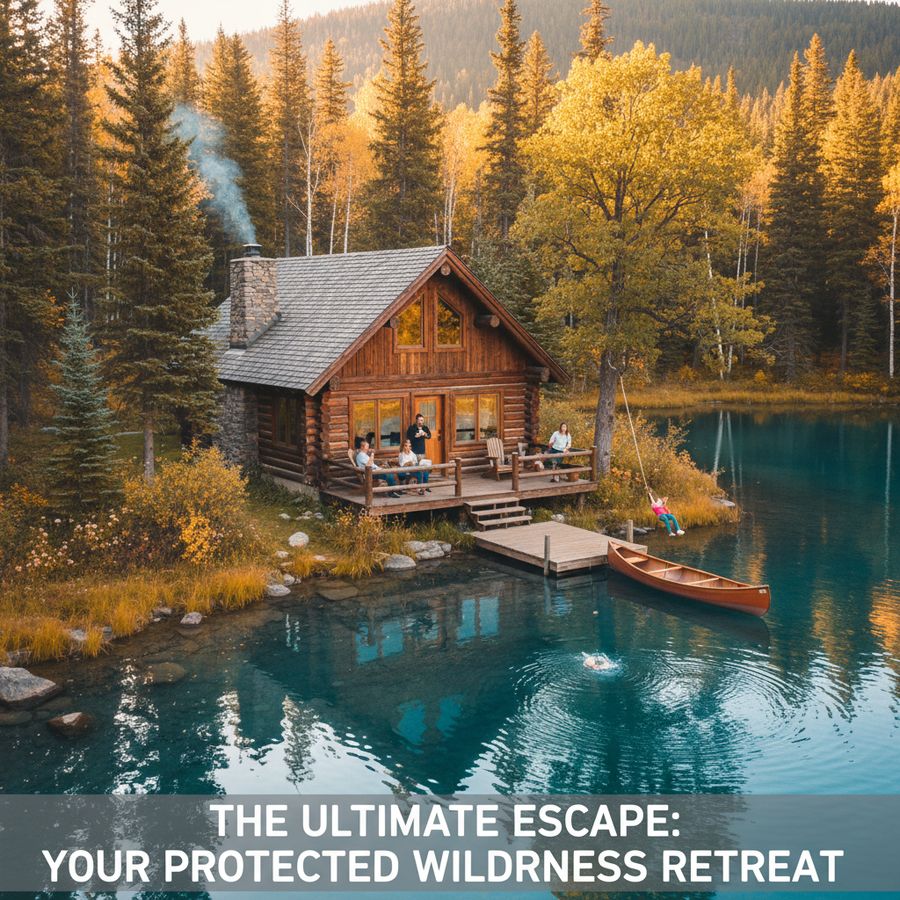
Importance of Recreational Property Insurance
The significance of recreational property insurance cannot be overstated. Unlike primary residences, recreational properties may be unoccupied for extended periods, making them more susceptible to unnoticed damage or vandalism. This can result in costly repairs if proper insurance coverage is not in place.
Building insurance tailored for recreational homes addresses these unique vulnerabilities. It helps mitigate financial losses from incidents such as fire, storm damage, theft, or accidental damage. Additionally, recreational properties often have specialized features—like docks, outdoor kitchens, or fireplaces—that require dedicated coverage to ensure full protection.
Moreover, many lenders require proof of insurance before approving a mortgage on a recreational property, underscoring the insurance’s importance in securing financing. Beyond compliance, insurance acts as a critical tool for risk management, allowing property owners to plan for and manage potential hazards effectively.
Without adequate insurance, owners may face substantial out-of-pocket costs to restore or rebuild their property after damage. The financial impact can be severe, especially when considering the potential loss of rental income if the property is leased during off-seasons.
"Insurance coverage for recreational properties is an indispensable investment to protect both the physical structure and your financial stability."
Ultimately, having the right insurance not only safeguards your property but also preserves your ability to enjoy and share your recreational home without worry.
Coverage Options
Recreational property insurance offers a variety of coverage options designed to meet the specific needs of leisure properties. Understanding these options is essential to tailor protection that fully addresses your property’s risks.
Typical building insurance policies for recreational homes include:
Structural coverage: Protects the physical building, including walls, roof, floors, and permanent fixtures.
Contents coverage: Covers furniture, appliances, and personal belongings inside the property.
Liability protection: Provides coverage if someone is injured on your property, helping cover legal costs and damages.
Loss of rental income: If you rent out your recreational property, this coverage can compensate for lost income during repairs.
Additional structures: Includes coverage for outbuildings such as sheds, garages, or docks.
Vacancy protection: Since recreational properties often remain unoccupied for periods, some policies offer specific protection against risks during vacancy.
Many insurers also offer optional add-ons tailored to specific risks, such as coverage for storm damage, flooding, or accidental damage, which may not be included in a standard policy. It’s important to review all options and customize your insurance coverage to the unique requirements of your recreational property.
By selecting comprehensive insurance coverage, property owners can ensure they are well-protected against a range of potential damages and liabilities, thereby enhancing their overall risk management strategy.
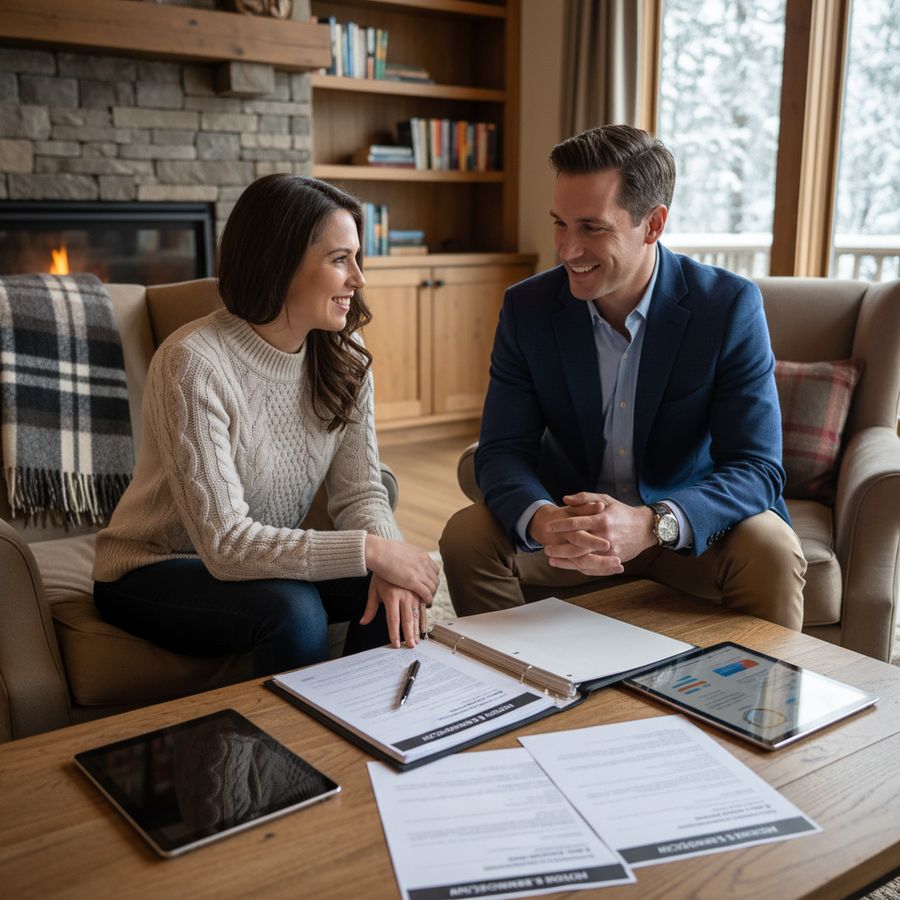
Common Risks
Recreational properties face several distinct risks that differ from those impacting primary residences. Understanding these common risks is crucial for selecting the right insurance coverage and implementing effective risk management measures.
Some of the most frequent risks include:
Weather-related damage: Exposure to storms, heavy snowfall, flooding, and wind can cause significant structural damage, especially in remote or coastal locations.
Theft and vandalism: Periods of vacancy can attract criminal activity, leading to loss or damage of property.
Fire hazards: Unoccupied homes may have higher fire risks due to unattended heating systems or electrical faults.
Water damage: Frozen pipes and leaks can cause costly internal damage, particularly if the property is not regularly monitored.
Liability claims: Injuries suffered by visitors or renters on the property can result in legal and financial liabilities.
Many of these risks are exacerbated by the seasonal or occasional use of recreational properties, which can delay detection and response to emerging issues. Therefore, insurance policies designed specifically for recreational homes often include clauses and coverage options that address these unique challenges.
"Awareness of the specific risks faced by recreational properties is the first step toward effective protection and insurance planning."
Proactively managing these risks through regular maintenance, security measures, and appropriate insurance coverage can substantially reduce the likelihood of financial loss and property damage.
Policy Selection Tips
Choosing the right recreational property insurance policy requires careful consideration of your property’s characteristics and usage patterns. Here are key tips to help you make an informed decision:
Assess your property’s unique risks: Identify environmental exposures, vacancy periods, and special features that may require additional coverage.
Compare coverage options: Ensure the policy covers both the structure and contents, and includes liability protection appropriate for recreational properties.
Check vacancy clauses: Since many recreational properties remain unoccupied, verify how the insurer handles vacancy and whether additional coverage is needed.
Understand exclusions and limits: Read policy fine print carefully to avoid surprises about what is not covered or limits on claims.
Consider add-ons and riders: Flood, storm, and accidental damage coverages can be critical depending on location and risk profile.
Review insurer reputation and support: Choose a reputable insurance provider known for responsive claims service and clear communication.
Additionally, it is advisable to periodically review and update your insurance policy to reflect changes in property value, usage, or risk conditions. This ongoing attention ensures your property protection remains adequate and aligned with your needs.
"Selecting comprehensive and tailored insurance coverage is fundamental to effective risk management for recreational properties."
Engaging with an insurance specialist familiar with recreational property insurance can also help you navigate the options and secure the best policy for your situation.
Claims Advice
Filing an insurance claim for your recreational property can be a complex and stressful process, especially if damage occurs while the property is unattended. Here are practical tips to help you navigate claims efficiently:
Document everything: Photograph and record all damage immediately upon discovery. Detailed evidence supports your claim and expedites processing.
Report promptly: Notify your insurer as soon as possible to avoid delays or complications with your claim.
Understand your policy: Know what your coverage includes and the claims process requirements to avoid submitting incomplete or incorrect information.
Keep receipts and records: Maintain documentation of any repair estimates, contractor invoices, and communications with your insurance company.
Secure the property: Take reasonable steps to prevent further damage after an incident, such as boarding up broken windows or shutting off utilities.
Communicate clearly: Maintain open and timely communication with your insurer, responding promptly to requests for information or inspections.
"A well-prepared and organized claims approach can significantly reduce stress and ensure a smoother recovery process after property damage."
By understanding your policy, acting quickly, and documenting thoroughly, you can maximize your claim’s success and restore your recreational property with minimal disruption.
Conclusion
Recreational property insurance is an essential component of responsible ownership and effective risk management for holiday homes and leisure properties. Given the unique challenges these properties face—such as extended vacancy, environmental exposure, and specialized features—tailored building insurance coverage provides vital financial protection and peace of mind.
Understanding coverage options and recognizing common risks are crucial for selecting the right policy to protect your recreational property from unexpected events. Informed decisions help ensure your investment remains secure, and knowing how to handle claims efficiently further supports this goal. For more information on safeguarding your property, check out Property Insurance.Property protection through comprehensive insurance not only preserves the value of your recreational home but also enhances your enjoyment and security, allowing you to focus on making lasting memories rather than worrying about potential losses.
"Investing in the right recreational property insurance is investing in the future security and enjoyment of your leisure retreat."


Reacties
Een reactie posten