Top Tips to Lower Your Home Insurance Premiums
Overview
Lowering your home insurance premiums is a smart goal for any homeowner seeking to balance adequate coverage with affordable costs. Home insurance premiums can significantly impact your household budget, but the good news is there are many effective strategies to reduce these costs without compromising protection. By understanding the key factors that influence your rates and actively implementing smart measures, you can achieve substantial savings and peace of mind.
Home insurance is designed to protect your property and belongings from unexpected events such as fire, theft, or natural disasters. Yet, the premiums you pay can vary widely depending on a range of criteria related to your home, location, and personal choices. Knowing how to lower home insurance costs empowers you to make informed decisions that benefit your wallet and your safety.
This guide will walk you through essential tips and insights on how to lower home insurance premiums effectively. From understanding the factors that affect your rates, adopting home safety tips, choosing the right deductible choices, to leveraging insurance discounts and seasonal offers, you’ll gain actionable advice tailored to your needs. Whether you are a first-time homeowner or looking to optimize your current policy, these tips will help you take control of your insurance expenses.
“Smart homeowners don’t just buy insurance; they invest in strategies to make their insurance work better for them.”
As you explore these strategies, remember that every small step toward improving your home’s safety and understanding your policy options can lead to meaningful premium reductions. Stay proactive and informed to keep your insurance premiums manageable while ensuring you have the right coverage for your home.

Factors Affecting Home Insurance Costs
Understanding the factors affecting home insurance costs is crucial when aiming to lower home insurance premiums. Insurers evaluate a variety of elements to determine your risk profile and set your rates accordingly. Recognizing these factors helps you identify areas where you can intervene to reduce your costs.
One of the primary factors is your home's location. Properties in areas prone to natural disasters such as floods, hurricanes, or earthquakes often face higher premiums due to increased risk. Similarly, homes located in neighborhoods with higher crime rates may see elevated rates to account for theft and vandalism risk.
The age and condition of your home also play a significant role. Older homes may have outdated wiring, plumbing, or roofing, which increases the likelihood of claims. Insurance companies often charge higher premiums for homes that require more maintenance or have not been updated to current safety standards.
Another important element is the coverage amount and type of policy you select. Policies with broader coverage, including protection for personal belongings and liability, typically cost more. Additionally, your deductible choices impact the premium – lower deductibles usually mean higher premiums, and vice versa.
Your personal claims history and credit score can also influence your rates. A history of frequent claims or poor credit can signal higher risk to insurers, resulting in elevated premiums. Conversely, a clean claims record and good credit score may qualify you for better rates.
Lastly, some insurers offer discounts based on specific factors such as installing security systems, being a non-smoker, or bundling multiple insurance policies. These discounts can substantially reduce your premiums if you meet the criteria.
“Insurance premiums are not just about your home but also about how insurers perceive your overall risk profile.”
By identifying and understanding these factors, you can take targeted steps to modify your risk profile and negotiate better rates. Whether through home improvements, selecting appropriate coverage, or leveraging discounts, knowledge is your first tool to lower home insurance premiums effectively.
How to Improve Home Safety
Improving your home’s safety is one of the most effective ways to lower home insurance premiums while protecting your family and property. Insurers reward homeowners who proactively reduce risks through safety upgrades and maintenance, often resulting in valuable insurance discounts.
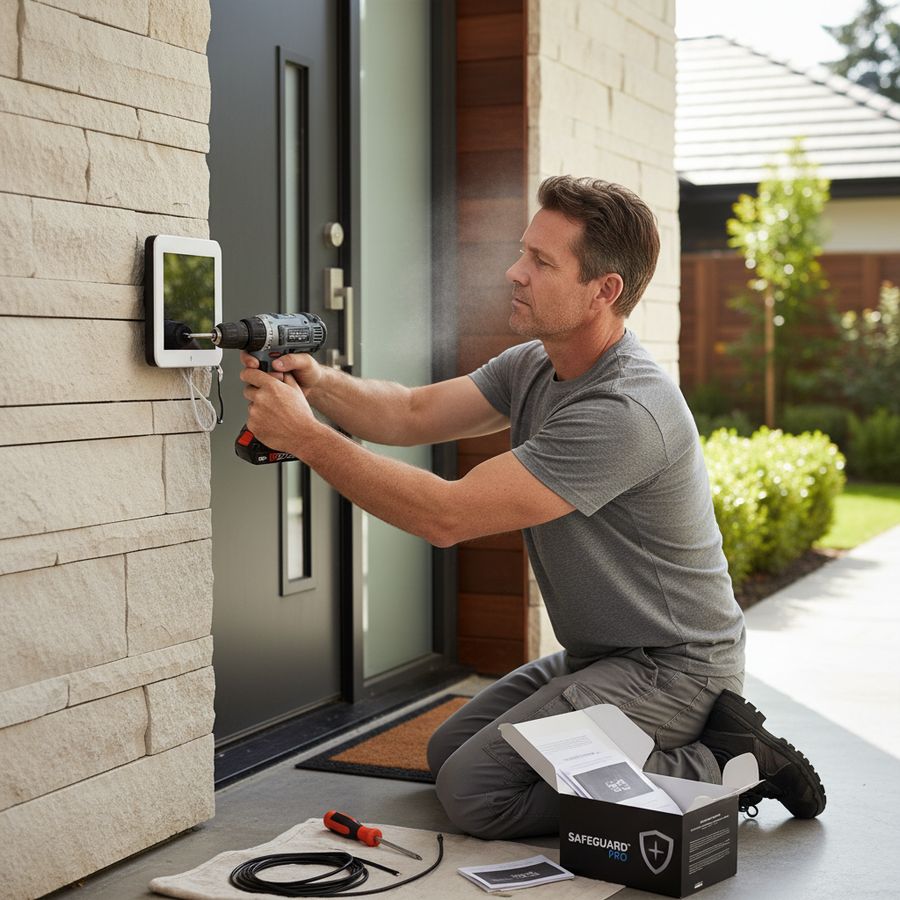
Start by installing reliable security systems, such as burglar alarms, surveillance cameras, and smart locks. These devices deter break-ins and reduce the chance of theft claims. Many insurance companies offer discounts if your home is equipped with these modern security features.
Fire safety is equally critical. Ensure your home has working smoke detectors on every floor, fire extinguishers in accessible locations, and consider installing a monitored fire alarm system. Regularly inspect electrical wiring and appliances to prevent fire hazards. Some insurers provide premium reductions for homes with advanced fire safety measures.
Structural improvements also contribute to safety and lower premiums. Reinforce your roof, doors, and windows to withstand severe weather or forced entry. Upgrading plumbing to prevent leaks and water damage, as well as installing sump pumps or backflow valves, can reduce the risk of costly water-related claims.
Implementing general maintenance routines, such as clearing gutters, trimming trees near the house, and repairing cracks or damages promptly, decreases the risk of accidents and damage. Insurers appreciate homeowners who keep their properties in good condition since this lowers the likelihood of claims.
Install monitored security systems
Ensure smoke detectors and fire extinguishers are in place
Upgrade roofing and windows for durability
Maintain plumbing and prevent water damage
Perform regular home maintenance and repairs
“Investing in home safety not only protects your family but also pays dividends through insurance discounts.”
By adopting these home safety tips, you signal to insurers that your property is less risky to insure. This proactive approach often translates into lower home insurance premiums and enhanced peace of mind for you as a homeowner.
Choosing Deductible Wisely
Your deductible choice is a crucial factor that affects your home insurance premiums and overall financial risk. The deductible is the amount you agree to pay out-of-pocket before your insurance coverage kicks in. Understanding how to select the right deductible can significantly influence your premium costs and claim experiences.
Generally, opting for a higher deductible lowers your insurance premiums because you are assuming more initial risk. Conversely, a lower deductible means you pay less out-of-pocket in the event of a claim but face higher premiums. Balancing this trade-off based on your financial situation and risk tolerance is key.
Before deciding on your deductible, consider your savings and ability to cover unexpected expenses. If you have a robust emergency fund, choosing a higher deductible might be advantageous to reduce your annual premiums. On the other hand, if you prefer more predictable expenses and lower immediate costs during claims, a lower deductible may be preferable.
It’s also important to understand the deductible options your insurer offers and how they impact premium quotes. Sometimes, the difference in premiums between deductibles may be minimal, so weighing the pros and cons carefully is essential.
Deductible choices can also affect how often you file claims. Higher deductibles may discourage small claims, which can help maintain a favorable claims history and potentially prevent premium increases due to frequent claims.
“Choosing the right deductible is about balancing your upfront savings with your ability to manage potential expenses if disaster strikes.”
In summary, thoughtfully selecting your deductible is a strategic move to manage your home insurance premiums effectively. Evaluate your financial readiness and risk comfort to make an informed decision that aligns with your overall insurance goals.
Bundling Policies for Discounts
One of the easiest and most effective ways to lower home insurance premiums is by bundling multiple insurance policies with the same provider. Insurance companies frequently offer attractive insurance discounts to customers who consolidate their coverage, making bundling a smart strategy for saving money.
Bundling typically involves combining your home insurance with other policies such as auto, life, or even umbrella insurance. This consolidation provides insurers with a broader business relationship and often results in reduced administrative costs, savings they pass on to you in the form of lower premiums.
The benefits of bundling extend beyond just discounts. Managing multiple policies under one insurer simplifies your insurance portfolio, making it easier to handle renewals, payments, and claims. Additionally, bundled policies may come with enhanced coverage options or perks not available when purchasing policies separately.
When considering bundling, it’s important to compare the overall costs and benefits. Sometimes the savings from bundling home and auto insurance can be substantial, but ensure that the combined coverage meets your needs without sacrificing quality for discounts.
Check if your insurer offers multi-policy discounts
Compare bundled policy premiums against separate policies
Consider coverage limits and terms for all bundled policies
Evaluate customer service and claims handling quality
“Bundling your insurance policies is a win-win: save money while simplifying your insurance management.”
Ultimately, bundling policies is a practical and user-friendly way to reduce your home insurance premiums. Reach out to your insurer to explore available bundling options and maximize your savings potential.
Seasonal Discounts Explained
Many insurance providers offer seasonal discounts that can help homeowners reduce their insurance premiums at certain times of the year. Understanding these time-sensitive offers is another savvy approach to lower home insurance costs.
Seasonal discounts often coincide with periods when insurers encourage policy renewals or when they promote specific coverage products. For example, some companies provide discounts during the winter months to encourage homeowners to protect their homes against cold-weather risks. Others may offer spring promotions aligned with home maintenance season, incentivizing inspections or upgrades.
Besides promotional discounts, some seasonal offers reward homeowners for taking preventive measures during specific times of the year. Installing storm shutters before hurricane season or upgrading heating systems before winter can trigger discounts as insurers recognize the reduced risk of claims during those periods.
To take advantage of seasonal discounts, stay informed about your insurer’s marketing calendar and engage with your agent regularly. Signing up for newsletters or alerts from your insurance company can keep you updated on upcoming promotions.
Look for winter or hurricane season discounts
Take advantage of spring maintenance promotions
Schedule home safety improvements timed with discounts
Consult your insurance agent about available seasonal offers
“Timing your insurance purchases and upgrades around seasonal discounts can add up to significant savings.”
By incorporating seasonal discounts into your insurance strategy, you can lower home insurance premiums while enhancing your home’s protection. Being proactive and attentive to these opportunities ensures you maximize your benefits throughout the year.
Conclusion
Lowering your home insurance premiums is achievable through informed choices and proactive actions. By understanding the factors affecting home insurance costs, improving your home’s safety, making wise deductible choices, bundling policies, and leveraging insurance discounts including seasonal offers, you create a comprehensive strategy to reduce expenses without sacrificing coverage.
Implementing these tips demands continuous attention and periodic tweaks to your insurance and home maintenance strategies. Nonetheless, the financial rewards and increased security for your family and property make the effort worthwhile. Keep in mind, the aim is not just to spend less, but to invest wisely in the protection you require. For more insights, check out Finass Verzekert.
“Smart insurance is about combining knowledge, safety, and strategy to protect your home and your budget.”
Take advantage of the insights shared here to review your current policy, consult with your insurance provider, and apply these proven tactics. By doing so, you’ll be well on your way to enjoying lower home insurance premiums and greater confidence in your home’s protection.


Reacties
Een reactie posten