Understanding Building Insurance for Rental Properties
Overview
Building insurance for rental properties is an essential aspect of protecting your investment as a landlord. Rental properties face a unique set of risks that can lead to costly damages or liabilities. Ensuring that your rental building is adequately insured not only safeguards your physical asset but also provides peace of mind against unforeseen circumstances.
Many landlords underestimate the importance of specialized insurance coverage tailored specifically for rental buildings. Unlike typical homeowners insurance, rental property insurance addresses risks associated with tenants, vacancies, and the additional liabilities that come with managing a rental property.
Understanding the nuances of landlord insurance and rental building coverage is crucial to selecting the right policy. It helps you avoid gaps in coverage that could leave you financially vulnerable. This article will walk you through the fundamentals, key coverage elements, common risks, and cost factors, as well as offer tips for choosing the best insurance policies for your rental properties.
With the growing rental market, having a comprehensive insurance plan tailored to rental buildings is more important than ever. A well-structured policy offers protection from property damage, liability claims, and loss of rental income, enabling landlords to maintain stable cash flow and secure their long-term investment.
What Is Rental Property Insurance
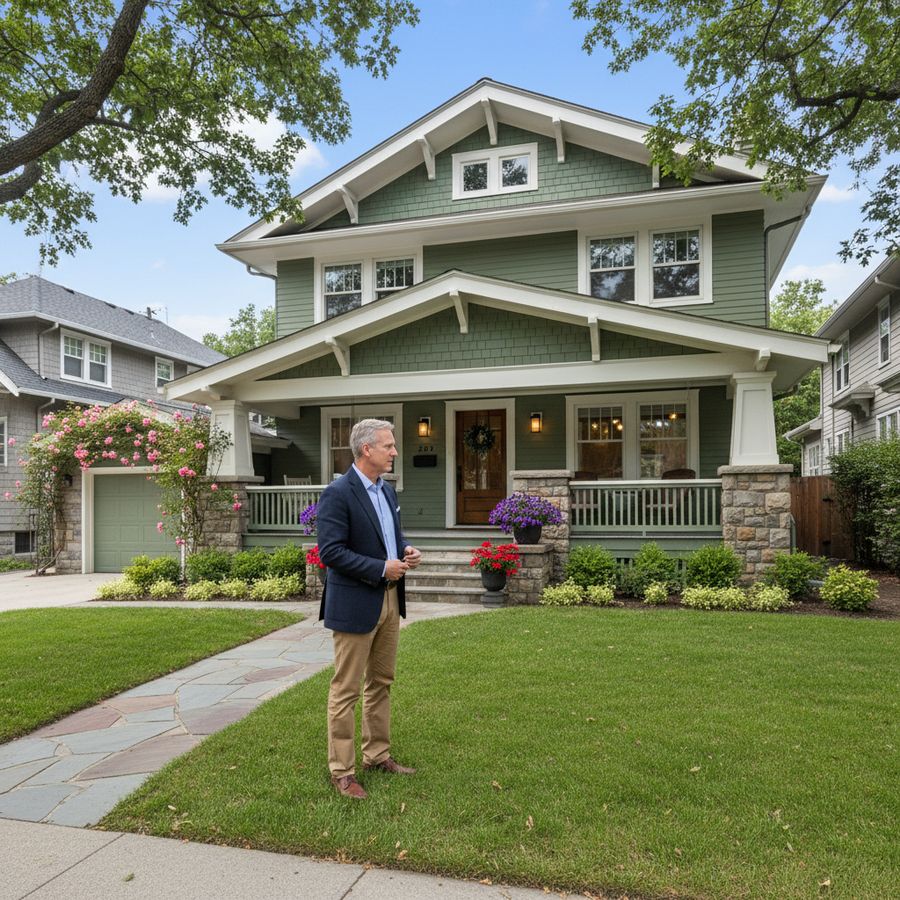
Rental property insurance is a specialized form of building insurance designed to protect landlords from financial losses related to their rental properties. This insurance typically covers the physical structure of the building, liability risks, and sometimes loss of rental income due to covered perils.
Unlike standard homeowner policies, which focus on owner-occupied properties, rental property insurance accounts for the unique risks landlords face when renting out their buildings. These risks include tenant-related damages, vandalism, and legal liabilities arising from tenant injuries on the property.
"Rental property insurance bridges the gap between standard homeowner policies and the specific needs of landlords, offering tailored protection for rental buildings."
Landlord insurance often includes several coverage components:
Building insurance: Covers structural damage from events like fire, storms, or vandalism.
Liability coverage: Protects against claims arising from injuries sustained on the property.
Loss of rental income: Reimburses lost rent if the property becomes uninhabitable due to an insured event.
Optional add-ons: Such as coverage for landlord contents or legal expenses.
Having this insurance in place is critical to mitigate financial risks and maintain a secure rental business. Furthermore, many mortgage lenders require proof of adequate building insurance before approving loans on rental properties, making it a mandatory part of responsible property management.
Key Coverage Elements
When selecting rental building coverage, it's important to understand the key components that make up a comprehensive insurance policy. These elements ensure that your rental property is well protected against common and less frequent risks alike.
1. Building Coverage: This is the foundation of any rental property insurance. It covers physical damages to the structure caused by perils such as fire, windstorm, hail, vandalism, or accidental damage. It usually includes fixtures, permanent appliances, and sometimes landscaping elements.
2. Liability Protection: Liability coverage protects landlords from financial losses resulting from injury or property damage claims made by tenants or visitors. For example, if a tenant slips and falls due to a maintenance issue, this coverage helps pay for legal fees and settlements.
3. Loss of Rental Income: Also called rent guarantee insurance, this element compensates landlords for lost rental income if the property becomes uninhabitable due to a covered event. This helps maintain steady cash flow during repair periods.
4. Optional Coverages: Depending on your needs, you may add coverage for landlord-owned contents (such as appliances or furniture), legal expenses, or protection against tenant-related damages like malicious vandalism or theft.
"A well-rounded rental property insurance policy combines building protection, liability coverage, and income loss safeguards to provide landlords with comprehensive security."
When reviewing policies, always confirm the limits, deductibles, and exclusions to ensure sufficient protection tailored to your specific rental property type and location.

Common Risks for Rental Buildings
Rental properties face a variety of risks that can impact both the physical structure and the landlord’s financial stability. Understanding these risks helps in selecting appropriate building insurance and coverage options.
1. Fire and Natural Disasters: Fires, storms, floods, and earthquakes can cause severe damage to rental buildings. While some natural disasters may require additional endorsements, basic fire and storm coverage is typically included in standard policies.
2. Vandalism and Theft: Rental buildings may be more vulnerable to vandalism or theft, especially during tenant turnover or vacancy periods. Landlord insurance often covers these incidents, protecting the property from malicious damage or stolen items.
3. Tenant-Related Damage: Tenants may accidentally or intentionally cause damage to the property. While tenant’s renters insurance covers their personal belongings, landlords need protection against structural or fixture damage caused by tenants.
4. Liability Claims: Injuries occurring on the property, such as slips or falls, can lead to costly lawsuits. Liability coverage is essential to cover legal defense and potential settlements.
5. Vacancy Risks: Periods without tenants increase the risk of unnoticed damage or break-ins. Some policies may reduce coverage during vacancy or require special vacancy insurance.
"Being aware of the common risks faced by rental buildings allows landlords to proactively select insurance policies that mitigate these exposures."
Properly assessing these risks and working with an insurance specialist can help landlords secure the right coverage, minimizing financial disruption from unforeseen events.
Cost Factors of Rental Insurance
The insurance costs for rental properties vary widely depending on several factors. Understanding these helps landlords budget appropriately and seek the best value coverage.
1. Property Location: Insurance premiums are influenced by location-based risks such as crime rates, weather patterns, and proximity to fire services. Properties in high-risk areas generally incur higher costs.
2. Property Age and Condition: Older buildings or those in poor condition often attract higher premiums due to increased likelihood of damage or maintenance issues.
3. Building Size and Type: Larger buildings or those with multiple units typically cost more to insure due to increased replacement costs and liability exposure.
4. Coverage Limits and Deductibles: Higher coverage limits increase premiums, while higher deductibles can reduce them but increase out-of-pocket costs when claims are made.
5. Claims History: A history of frequent or severe claims can lead to higher premiums or policy restrictions.
6. Vacancy Periods: Some insurers charge more or restrict coverage for properties that remain vacant for extended periods.
"Insurance costs reflect the balance between risk exposure and the level of protection desired; evaluating these factors enables landlords to find affordable yet comprehensive rental property insurance."
Shopping around and consulting with insurance professionals can help landlords identify policies that fit their budget without compromising essential coverage.
Tips for Choosing Policies
Selecting the right landlord insurance policy requires careful consideration to ensure your rental property is fully protected while managing costs effectively. Here are some practical tips to guide your decision:
Assess Your Risks: Understand the specific risks associated with your rental property’s location, structure, and tenant profile to choose appropriate coverage.
Compare Multiple Quotes: Obtain quotes from several insurers to evaluate coverage options, limits, exclusions, and premiums.
Check Policy Inclusions and Exclusions: Read the fine print to know what is and isn’t covered, especially regarding natural disasters and tenant damage.
Consider Loss of Income Coverage: Ensure your policy includes rent loss protection to safeguard your cash flow during repair periods.
Review Deductibles: Balance affordable premiums with deductibles you can comfortably pay in case of a claim.
Consult an Insurance Specialist: Working with a professional familiar with rental property insurance can help tailor a policy suited to your needs.
Maintain Good Property Management: Keeping your property well-maintained and screening tenants carefully can reduce risks and potentially lower insurance costs.
"Thoughtful selection and regular review of your rental property insurance ensure ongoing protection aligned with your evolving needs."
By following these tips, landlords can find comprehensive and cost-effective insurance solutions that protect their investments and provide peace of mind.
Conclusion
Understanding the importance of rental property insurance and its key components is vital for every landlord aiming to protect their investment. Building insurance tailored for rental properties offers much-needed coverage against physical damages, liability claims, and loss of rental income, which are critical risks in the rental market.
Choosing the right rental building coverage requires evaluating the specific risks your property faces, understanding coverage options, and considering the factors that influence insurance costs. By carefully selecting policies and partnering with knowledgeable insurance specialists, landlords can secure comprehensive protection that minimizes financial exposure. For more information, check out this resource.
Landlord insurance is not just a regulatory or lender requirement but a smart business decision. It ensures that unexpected events do not derail your rental income and that your property remains a valuable asset for years to come.
"Protecting your rental property with the right insurance is a cornerstone of successful and sustainable property management."


Reacties
Een reactie posten