Apartment Building Insurance for Landlords: Key Coverage
Overview
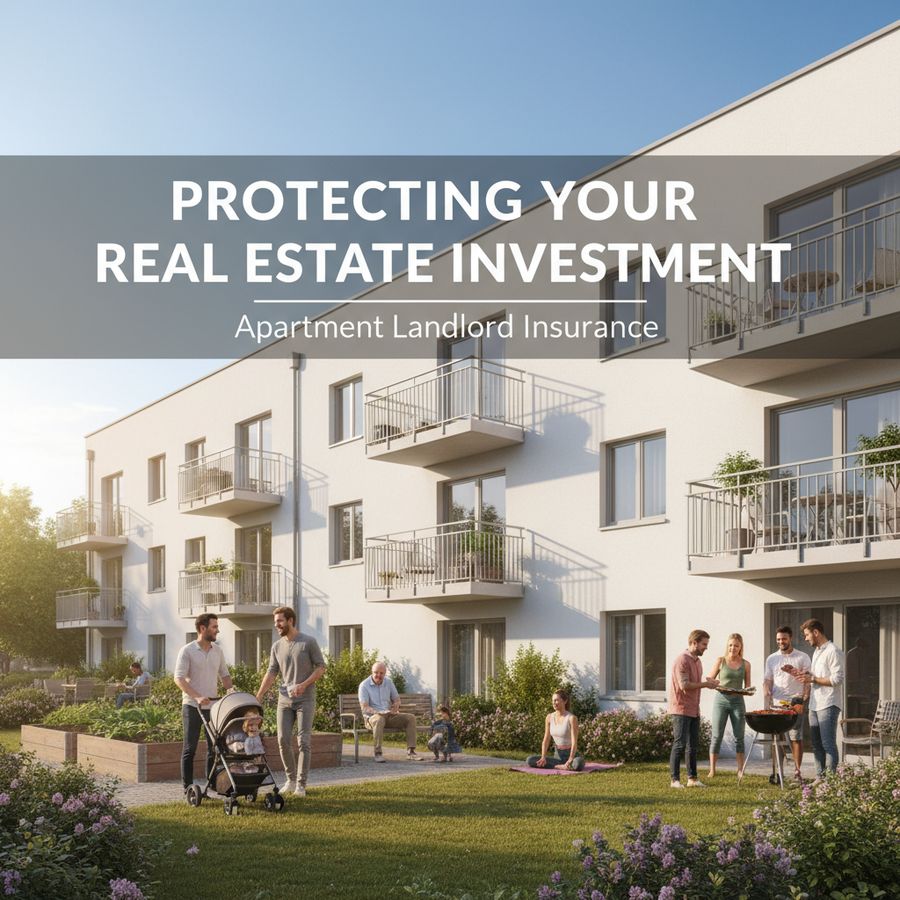
Apartment building insurance is a critical safeguard for landlords managing multi-unit properties. Whether you own a small duplex or a large apartment complex, having the right insurance coverage protects your investment from unexpected risks and liabilities. As an apartment landlord, understanding the nuances of landlord building insurance helps you mitigate financial losses arising from property damage, tenant incidents, or natural disasters.
This type of insurance is distinct from standard homeowner policies because it is tailored to the unique risks faced by landlords. Multi-unit property insurance typically covers the physical building, common areas, and liability claims that can result from injuries or damages occurring on the premises. Without adequate coverage, landlords could face significant out-of-pocket expenses that impact their financial stability and rental business reputation.
Liability insurance is an essential component of apartment landlord insurance, offering protection against lawsuits stemming from accidents or negligence claims. Additionally, coverage for building damages due to fire, vandalism, or weather events ensures that landlords can quickly repair and maintain their properties, preserving rental income and tenant satisfaction.
Investing in comprehensive apartment building insurance not only secures your property but also demonstrates professionalism and responsibility toward tenants and stakeholders. It’s important to explore various policy options, understand coverage limits, and evaluate deductibles to tailor an insurance plan that best suits your property's size, location, and risk profile.
"Proper insurance is not just a safety net; it's a strategic asset for landlords aiming to protect their investments and maintain long-term profitability."
In the following sections, we’ll delve deeper into what apartment building insurance typically covers, clarify the differences between buildings and contents insurance, emphasize the importance of liability insurance, and guide you on comparing policy limits and deductibles effectively.
What Apartment Building Insurance Typically Covers
Apartment building insurance offers comprehensive protection tailored specifically for landlords who own multi-unit residential properties. This insurance primarily focuses on safeguarding the physical structure and common areas, along with providing financial protection against liability claims. Understanding what your policy covers is crucial to avoid unexpected gaps in protection.
Typically, apartment landlord insurance covers:
Building structure: This includes the main building, foundations, walls, roof, fixtures, and any attached structures such as garages or storage sheds. Coverage often extends to permanent installations like plumbing, electrical wiring, and HVAC systems.
Common areas: Multi-unit properties usually have shared spaces such as lobbies, hallways, staircases, laundry rooms, and recreational facilities. Insurance policies often include coverage for damages occurring in these areas.
Loss of rental income: If your building becomes uninhabitable due to a covered peril like fire or storm damage, many policies reimburse lost rental income during the repair period.
Liability protection: This covers legal and medical costs if someone is injured on your property and you are found responsible.
Additional structures: Coverage can also extend to detached garages, fences, and other structures on the premises.
However, it’s important to note that standard apartment building insurance usually excludes certain risks such as flood, earthquake, or intentional damage. These require separate endorsements or policies. Also, personal property owned by tenants is not covered under landlord insurance and should be insured by tenants themselves.
Understanding the scope of coverage allows landlords to identify any additional insurance needs, such as flood or storm damage coverage, which can be vital depending on the property's location. Regularly reviewing your policy with your insurance provider ensures that your multi-unit property insurance evolves with your building’s value and changing risk landscape.
"Comprehensive coverage means peace of mind for landlords, ensuring that both the building and their financial interests are protected against unforeseen events."

Buildings Vs Contents Insurance Explained
For landlords, distinguishing between buildings insurance and contents insurance is fundamental to securing the right coverage. While both forms of insurance protect property-related assets, they serve different purposes and cover separate components of your rental investment.
Buildings insurance, often referred to as landlord building insurance, covers the physical structure of your apartment building. This includes the walls, roof, floors, permanent fixtures, and sometimes outdoor structures like garages or sheds. It protects against damage caused by fire, storms, vandalism, and other insured perils.
On the other hand, contents insurance covers movable items inside the building. For landlords, this usually means furniture, appliances, carpets, and other equipment that you provide for tenants’ use within common areas or furnished units. Contents insurance does not cover tenants’ personal belongings; tenants should secure their own renters insurance for that.
Many landlords confuse these two types of insurance or assume that buildings insurance automatically covers contents. This misunderstanding can lead to unexpected out-of-pocket expenses if contents are damaged or stolen. For example, if you provide furnished apartments or maintain a furnished lobby or laundry room, contents insurance is essential.
Key differences summarized:
Buildings insurance covers the structure and permanent fixtures.
Contents insurance covers movable and non-fixed items owned by the landlord.
Tenants’ personal belongings are not covered by landlord policies.
Both insurances are often bundled for convenience but can be purchased separately.
Landlords should evaluate their property setup and determine if contents insurance is necessary in addition to their landlord building insurance. This ensures comprehensive protection for both the property itself and the assets within it.
"Clarifying buildings versus contents insurance prevents costly surprises and ensures landlords maintain full protection over their multi-unit investments."
Liability Insurance for Landlords and Owners
Liability insurance is a cornerstone of any apartment landlord insurance policy. It protects landlords from financial loss if they are held legally responsible for injuries or property damage occurring on their rental property. Given the multi-unit nature of apartment buildings, liability risks can be higher due to increased foot traffic, shared spaces, and multiple tenants.
Typical scenarios covered under liability insurance include slip-and-fall accidents in common areas, injuries caused by faulty maintenance, or damage caused by tenants to neighboring properties. Without liability insurance, landlords could face costly lawsuits, medical bills, and legal fees that may severely impact their financial health.
Landlord liability insurance generally covers:
Legal defense costs: Even frivolous claims can be expensive to defend. Liability insurance covers attorney fees and court costs.
Medical payments: Covers medical expenses for injured parties who do not pursue legal action.
Settlements and judgments: Pays for damages awarded to claimants if the landlord is found liable.
It’s essential for landlords to assess the appropriate liability limits based on the size of their apartment building and location. Higher limits provide greater financial protection but come with increased premiums. Some policies also offer optional endorsements to cover specific liability risks, such as environmental hazards or tenant discrimination claims.
Proactive risk management, including regular property maintenance and safety inspections, complements liability insurance by reducing the likelihood of accidents and claims. Combining these strategies helps landlords maintain a safer environment while minimizing insurance costs.
"Liability insurance protects landlords from the unpredictable financial fallout of accidents, reinforcing responsible property ownership."
Insurance for Multiple Units and Common Areas
When managing a multi-unit property, it’s crucial to understand how insurance covers both individual units and shared spaces. Multi-unit property insurance must address the complexities of protecting multiple living spaces along with the common areas that tenants frequently use.
Insurance policies designed for apartment buildings include provisions that cover:
Individual units: Coverage typically insures the building structure of each unit but not the tenant’s personal belongings.
Common areas: Lobbies, hallways, stairwells, laundry rooms, recreational facilities, and parking areas are included in the policy. Damage to these spaces can affect all tenants, so coverage is essential.
Shared systems and equipment: Central heating, elevators, fire alarms, and security systems are also insured under the building policy.
Since tenants usually insure their own unit contents, landlords focus on securing coverage for the structural elements and shared facilities. This approach ensures that the building remains safe, functional, and compliant with local regulations.
Important considerations for landlords with multiple units include:
Ensuring that coverage limits adequately reflect the combined value of all units and common spaces.
Verifying that the policy includes loss of rental income protection, which can be vital if common areas or units become temporarily uninhabitable.
Working with insurers who specialize in multi-unit property insurance to access tailored coverage and risk assessments.
Properly insuring both individual units and common areas not only protects your investment but also enhances tenant satisfaction by maintaining a safe and well-maintained living environment.
"Comprehensive insurance for multiple units and common areas ensures landlords can respond swiftly to damages affecting the entire property."
Flood and Storm Damage Coverage Options
Standard apartment building insurance policies often exclude coverage for natural disasters such as floods and certain storm-related damages. Given the increasing frequency of severe weather events, landlords should carefully consider additional coverage options to safeguard their multi-unit properties.
Flood insurance is typically offered as a separate policy or endorsement and is essential for properties located in flood-prone areas. Without this coverage, flood-related damages can result in substantial repair costs, leaving landlords financially vulnerable.
Storm damage coverage usually includes protection against wind, hail, lightning, and sometimes roof damage. However, coverage specifics vary by insurer and region, so landlords must understand the scope and limitations of their policies.
Key factors when evaluating flood and storm damage coverage include:
Geographic risk assessment: Understanding local flood zones and storm patterns helps determine necessary coverage.
Coverage limits and exclusions: Ensure that policies provide adequate protection and clarify what types of storm damage are included.
Deductibles: Flood and storm damage often have separate deductibles that may be higher than standard property damage deductibles.
Mitigation discounts: Installing storm shutters, sump pumps, or elevating utilities may qualify landlords for premium discounts.
By proactively securing flood and storm damage insurance, landlords protect their apartment buildings from catastrophic losses that standard policies may not cover. This foresight is especially important in regions vulnerable to hurricanes, heavy rains, or rising water levels.
"Incorporating flood and storm damage coverage into your insurance portfolio prepares landlords for nature's unpredictability."
How to Compare Policy Limits and Deductibles
Choosing the right apartment landlord insurance involves more than selecting the cheapest premium. A critical part of the decision-making process is understanding and comparing policy limits and deductibles, which directly impact the financial protection and out-of-pocket costs you may face.
Policy limits represent the maximum amount an insurer will pay for a covered loss. For apartment buildings, limits are usually set per occurrence and may vary for building damage, contents, liability, and loss of rental income. Selecting appropriate limits requires an accurate valuation of your property and potential liabilities.
Deductibles are the amounts you must pay before insurance coverage kicks in. Higher deductibles generally lower premium costs but increase your financial responsibility if a claim occurs. Conversely, lower deductibles raise premiums but reduce immediate out-of-pocket expenses during a claim.
When comparing policies, landlords should:
Review the coverage limits for each component (building, contents, liability) to ensure they meet or exceed replacement costs and potential liabilities.
Understand deductible amounts and consider your ability to cover them in the event of a claim.
Analyze exclusions and endorsements that may affect coverage scope.
Request quotes from multiple insurers specializing in multi-unit property insurance to identify the best balance between cost and coverage.
It’s advisable to consult with an insurance professional who can help interpret policy details and recommend limits and deductibles tailored to your apartment building’s size, location, and risk factors. This strategy helps maximize protection while managing insurance expenses efficiently.
"Carefully comparing policy limits and deductibles empowers landlords to secure comprehensive insurance that fits their financial and operational needs."
Conclusion
Securing the right apartment building insurance is essential for landlords who want to protect their multi-unit properties against a wide range of risks. From building damage and liability claims to loss of rental income and natural disasters, comprehensive coverage ensures landlords can maintain their investment’s value and operational stability.
Understanding the differences between buildings and contents insurance, the importance of liability coverage, and how to insure multiple units and common areas equips landlords to make informed decisions. Additionally, by evaluating flood and storm damage coverage options and comparing policy limits and deductibles, landlords can tailor their insurance to meet their property's unique needs. For more insights, check out Property Insurance.
By partnering with knowledgeable insurers and regularly reviewing policies, apartment landlords can confidently navigate the complexities of landlord building insurance. This proactive approach not only safeguards financial interests but also enhances tenant trust and the long-term success of their rental enterprise.
"Effective apartment landlord insurance is a cornerstone of responsible property management and long-term investment protection."


Reacties
Een reactie posten