Common Claims in Rental Property Insurance and How to Avoid Them
Overview
Rental property insurance claims are an essential aspect of protecting landlords’ investments and ensuring the longevity and profitability of rental properties. Whether you own a single-family home or multiple apartment units, understanding the types of insurance claims that commonly arise can help you manage risks effectively and avoid costly setbacks. This overview provides a foundation to familiarize yourself with the landscape of common insurance claims associated with rental properties and highlights why proactive risk management is crucial for every landlord.
Insurance policies tailored for rental properties — often called landlord insurance — typically cover a range of situations including property damage, liability claims, and tenant-related issues. However, the frequency and nature of these claims vary depending on the property’s location, tenant demographics, and maintenance practices. Knowing what claims are most prevalent helps landlords prepare better and reduce the likelihood of filing claims that may increase premiums or complicate renewals.
Rental property risk comes from many angles: natural disasters like storms and floods, accidental damage, tenant negligence, or even legal liability from injuries occurring on the property. While insurance offers financial protection, it’s important to remember that policies have limitations and exclusions. Therefore, understanding the scope of coverage and common claim scenarios aids landlords in optimizing their insurance and implementing preventive strategies.
“Landlord insurance claims are not just about recovering losses, but also about managing ongoing risk to maintain a safe, appealing rental environment.”
By delving into typical claims and how they originate, landlords can make informed decisions about the coverage needed and the practical steps to minimize incidents. This proactive approach reduces disruption, lowers insurance costs over time, and protects rental income.

Frequent Rental Property Claims
Among the myriad of landlord insurance claims, some types occur more frequently due to the inherent vulnerabilities of rental properties. The most common claims landlords face include property damage caused by weather events, tenant mishaps, and accidental damage, as well as liability claims arising from injuries sustained on the premises.
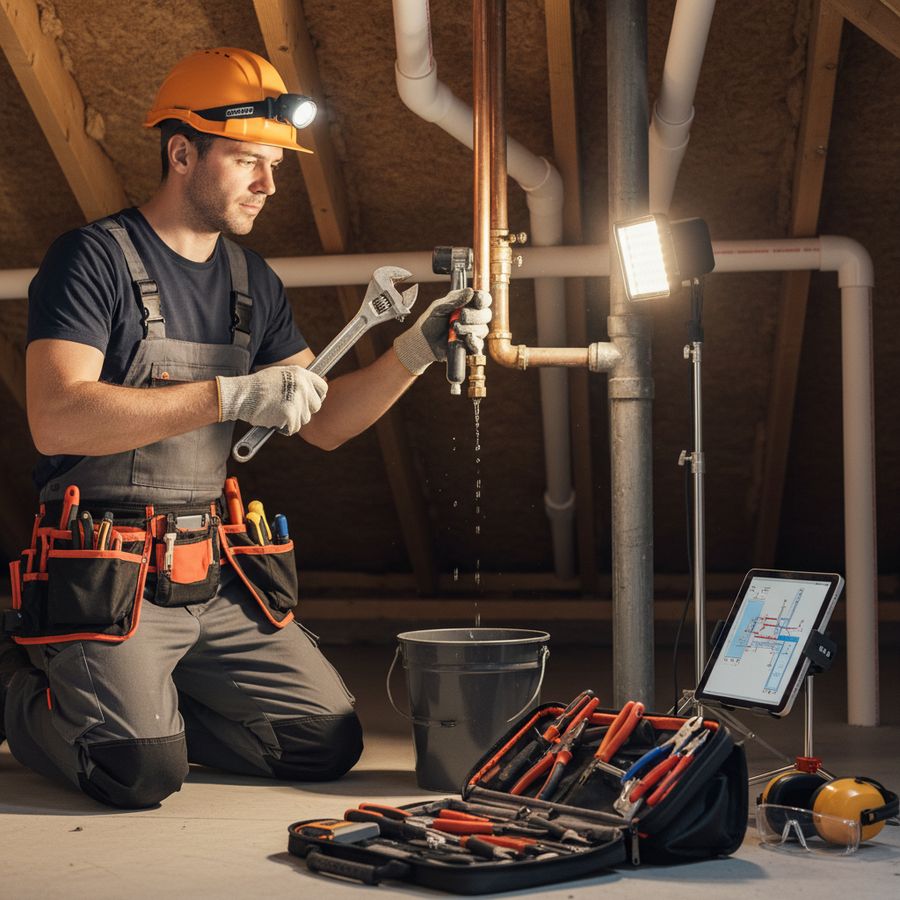
One of the predominant types of claims involves property damage prevention failures, such as water damage from burst pipes, roof leaks, or fires. These incidents can lead to costly repairs and replacement of contents, often resulting in insurance payouts. Additionally, vandalism and theft are frequent concerns, particularly in urban areas or properties with less stringent security measures.
Liability claims also rank high among rental property insurance claims. These typically arise when a tenant or visitor suffers an injury due to unsafe or poorly maintained conditions — for example, slips and falls caused by icy walkways, broken stairs, or inadequate lighting. Such claims can result in significant legal and medical expenses for landlords if they are found negligent.
Tenant-related claims, while slightly less common, can involve disputes over damage caused by tenants beyond normal wear and tear, or claims related to loss of rental income due to tenant eviction or vacancy. These situations underscore the importance of comprehensive lease agreements and tenant screening.
Water damage from plumbing failures or storms
Fire and smoke damage
Vandalism and theft
Liability claims from injuries on the property
Tenant-caused damage and disputes
Loss of rental income due to property damage or vacancies
“Understanding frequent claims helps landlords tailor their insurance policies and implement focused risk mitigation strategies.”
Recognizing these common claim types enables landlords to better anticipate risks and communicate clearly with their insurance providers to ensure adequate and appropriate coverage.
Preventing Property Damage
Effective property damage prevention is a cornerstone of minimizing rental property insurance claims and preserving landlord assets. Preventing damage not only protects the physical structure but also helps maintain tenant satisfaction and reduces costly repairs or claim disputes. Proactive maintenance and timely interventions are key strategies in this regard.
Regular inspections are essential to identify potential issues early. Landlords should routinely check for signs of wear and tear, such as cracks, leaks, faulty wiring, and roof damage, especially after severe weather conditions. Implementing a maintenance schedule ensures that small problems do not escalate into major claims.
Another critical preventive measure involves upgrading safety features to reduce liability and damage risks. Installing smoke detectors, carbon monoxide alarms, and fire extinguishers can prevent devastating fire-related claims. Additionally, ensuring that plumbing and electrical systems meet current standards minimizes the chance of leaks or electrical fires.
Security measures also play a significant role in property protection. Installing sturdy locks, security cameras, and outdoor lighting can deter vandalism and theft, which are common sources of insurance claims. Landlords should also educate tenants on safety protocols and encourage prompt reporting of any damages or suspicious activity.
Conduct regular property inspections
Maintain roofing, plumbing, and electrical systems
Install and maintain fire safety devices
Enhance security with locks and lighting
Communicate safety expectations with tenants
“Investing in prevention saves landlords from the stress and expense of filing insurance claims and repairs.”
By integrating these practices, landlords reduce their exposure to common risks and demonstrate responsible property management — a factor that insurance companies often favor when assessing premiums and coverage conditions.
Liability Claim Examples
Liability claims represent a significant portion of landlord insurance claims and can arise from a variety of incidents where someone suffers injury or property damage on the rental premises. Understanding typical liability scenarios helps landlords mitigate risks and respond appropriately when claims occur.
One prevalent example is slip-and-fall accidents. These incidents often happen due to icy or wet walkways, uneven flooring, or unsecured rugs. If a tenant or visitor is injured because the landlord failed to maintain safe conditions, the landlord could be held legally responsible, resulting in costly medical and legal fees.
Another common liability claim involves dog bites or other pet-related injuries when tenants have animals on the property. Landlords may be liable if they allowed pets without proper screening or failed to enforce pet policies.
Structural failures, such as collapsing stairs, balconies, or railings, also frequently lead to liability claims. These cases underscore the importance of regular inspections and immediate repairs to avoid accidents and legal repercussions.
Slip-and-fall injuries due to property hazards
Pet-related injury claims
Injuries from structural failures or maintenance neglect
Claims arising from inadequate security measures
Accidents caused by faulty appliances or systems
“Liability claims not only impact finances but can also harm a landlord’s reputation and tenant relationships.”
To reduce liability claims, landlords should implement clear safety protocols, conduct timely maintenance, and consider legal consultation to ensure lease agreements include appropriate clauses limiting exposure. Proper insurance coverage is also essential, as it protects landlords from the financial fallout of unfortunate accidents involving third parties on their properties.
Tenant-Related Claims
Tenant-related claims form a distinct category within rental property insurance claims, often revolving around tenant behavior, property care, and contractual disputes. These claims can be complex, as they involve both insurance considerations and legal tenant-landlord relationships.
One common tenant-related claim involves damage beyond normal wear and tear, such as holes in walls, broken fixtures, or unauthorized alterations. While landlords may use security deposits to cover such damages, insurance claims may be necessary for severe or costly repairs.
Another area of concern is claims related to rent loss or vacancy. If a property becomes uninhabitable due to damage or tenant eviction, landlords may file claims for lost rental income under specific policy provisions. However, these claims often require detailed documentation and adherence to lease and legal procedures.
Disputes over liability for injuries or damages caused by tenants themselves can also lead to claims. For example, if a tenant causes a fire due to negligence, the landlord’s insurance may respond depending on policy terms and fault determination.
Damage caused by tenants exceeding normal wear and tear
Loss of rental income due to eviction or property damage
Claims related to tenant negligence or misconduct
Legal disputes involving tenant responsibilities and insurance coverage
“Effective tenant screening and clear lease agreements are vital to minimizing tenant-related claims.”
Landlords should maintain open communication with tenants, enforce lease terms strictly, and document property conditions thoroughly before and after tenancy. This diligence supports smoother claims processes and helps clarify responsibility when issues arise.
Effective Risk Management
Effective risk management is the key to reducing both the frequency and severity of rental property insurance claims. By adopting a comprehensive approach that combines insurance coverage, preventive maintenance, and tenant management, landlords can safeguard their investments and maintain steady rental income.
First, landlords should carefully assess their insurance policies to ensure they provide sufficient coverage for the specific risks their properties face. This includes evaluating coverage limits, deductibles, and any exclusions related to natural disasters, liability, and tenant-caused damage.
Second, implementing a robust maintenance plan is critical. Proactively addressing repairs and upgrades not only prevents damage but also enhances tenant safety and satisfaction. Regular inspections, seasonal preparations, and prompt response to tenant concerns all contribute to risk reduction.
Third, tenant screening and clear communication foster responsible tenancy, reducing the likelihood of negligent behavior leading to claims. Educating tenants about their responsibilities and the importance of reporting issues promptly can prevent minor problems from escalating.
Review and tailor insurance policies annually
Establish and adhere to a preventive maintenance schedule
Conduct thorough tenant screening and enforce lease terms
Educate tenants on property care and safety
Keep detailed records of all inspections, repairs, and communications
“Risk management is an ongoing process that benefits landlords through reduced claims and enhanced property value.”
Ultimately, landlords who combine sound insurance choices with proactive property and tenant management enjoy greater peace of mind and financial stability. This holistic approach is indispensable in the dynamic environment of rental property ownership.
Conclusion
In summary, understanding the landscape of rental property insurance claims is critical for landlords aiming to protect their investments and minimize disruptions. Frequent claims often involve property damage, liability issues, and tenant-related disputes, all of which can be mitigated through diligent risk management and preventive strategies.
By concentrating on property damage prevention, upholding safe conditions, and nurturing responsible tenant relationships, landlords can significantly lower the risk of expensive claims. Additionally, choosing the right insurance coverage tailored to the unique risks associated with rental properties is crucial for ensuring financial protection when incidents arise. Explore insurance options here to safeguard your investments.
“A well-informed landlord who embraces proactive risk management can turn potential insurance claims into manageable events rather than crises.”
Ultimately, the combination of knowledge, preparation, and responsive management empowers landlords to sustain profitable rental operations while safeguarding their properties and tenants alike.


Reacties
Een reactie posten