Key Benefits of Homeowners' Association Building Insurance
Overview
Homeowners association building insurance is a critical safeguard that protects the collective property assets within a community governed by an HOA. This type of insurance is specifically designed to cover the physical structures and common areas shared among homeowners, ensuring that damages and liabilities are managed efficiently and fairly.
In communities where multiple homeowners share responsibility for buildings and communal facilities, HOA insurance plays a vital role in protecting the interests of all members. Without adequate insurance coverage, the financial burden of repairs or replacement after incidents such as fire, storms, or vandalism could fall disproportionately on individual homeowners, creating disputes and hardship.
Shared property coverage under HOA building insurance typically includes exterior walls, roofs, hallways, lobbies, elevators, and other communal elements. It is distinct from individual homeowners’ insurance, which usually covers personal property inside units and individual liability. Understanding this distinction helps HOA members appreciate the collective nature of the coverage and the importance of maintaining a robust policy.
Moreover, HOA building insurance not only protects physical assets but also provides peace of mind that the community’s investments are secured against unforeseen events. By pooling resources through insurance costs shared among members, the association ensures that funds are available to handle claims without placing undue strain on any single homeowner.
“Investing in comprehensive HOA building insurance fosters community stability and financial security for all residents.”
In summary, the overview of homeowners association building insurance highlights its necessity in managing shared property risks, complying with legal insurance requirements, and promoting responsible cost sharing among members. This foundation sets the stage for a deeper exploration of the specific aspects of HOA insurance that benefit both the association and its homeowners.
Understanding HOA Building Insurance
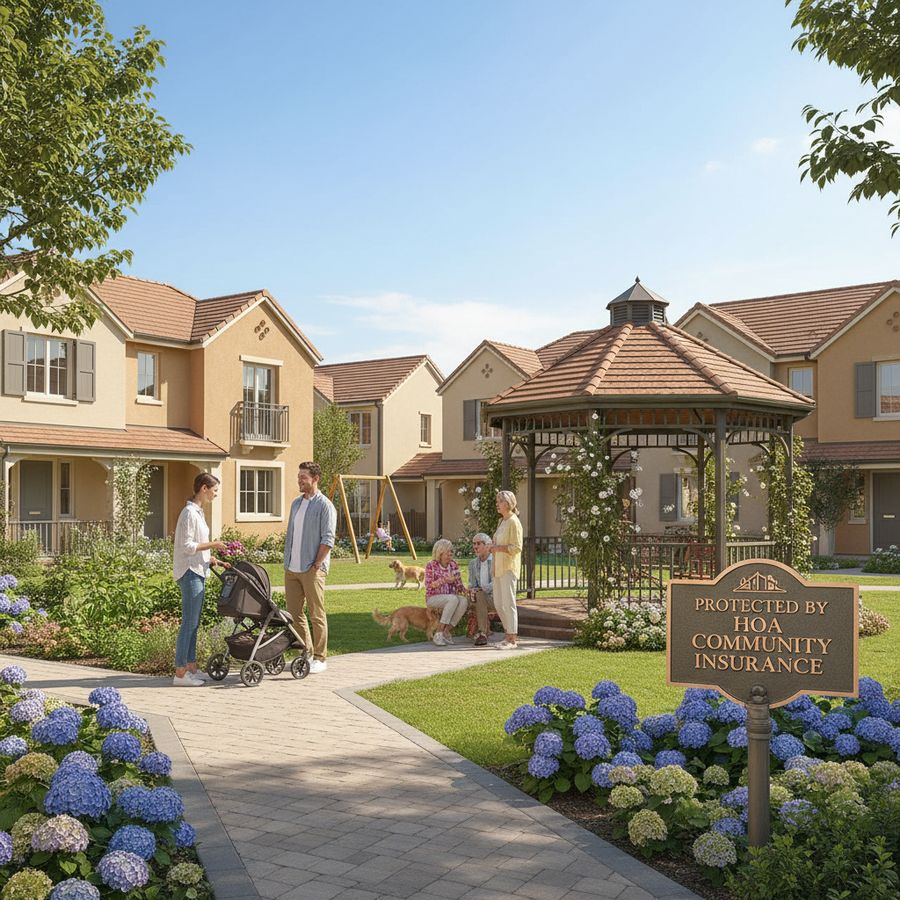
Understanding HOA building insurance is essential for community members and board members alike. This insurance policy is designed to cover damage to the physical structures that the homeowners association owns collectively, including walls, roofs, and common spaces. It differs from individual homeowners insurance by focusing exclusively on shared property rather than personal belongings or individual liability.
The scope of coverage under HOA building insurance often includes repair or replacement costs arising from natural disasters, fire, vandalism, and other covered perils. Some policies may also cover liability protection for accidents occurring on communal property. This dual functionality ensures that both the physical assets and the financial interests of the association are safeguarded.
One important aspect to grasp is how HOA insurance interacts with individual policies. Typically, the HOA’s insurance covers the building’s common elements, while homeowners maintain insurance for their unit interiors and personal property. This division reduces gaps in coverage and clarifies responsibility, making claims processing smoother and less contentious.
HOA board members should carefully review the insurance policy’s declarations and definitions to ensure the coverage matches the community’s unique needs. As buildings age or amenities are added, insurance requirements may evolve, requiring adjustments in coverage limits or policy terms.
“Clear understanding of HOA building insurance provisions empowers associations to make informed decisions that protect their community’s assets.”
In essence, understanding HOA building insurance empowers homeowners associations to effectively manage risks, avoid financial surprises, and maintain a safe and secure environment for all residents.
Coverage for Shared Property
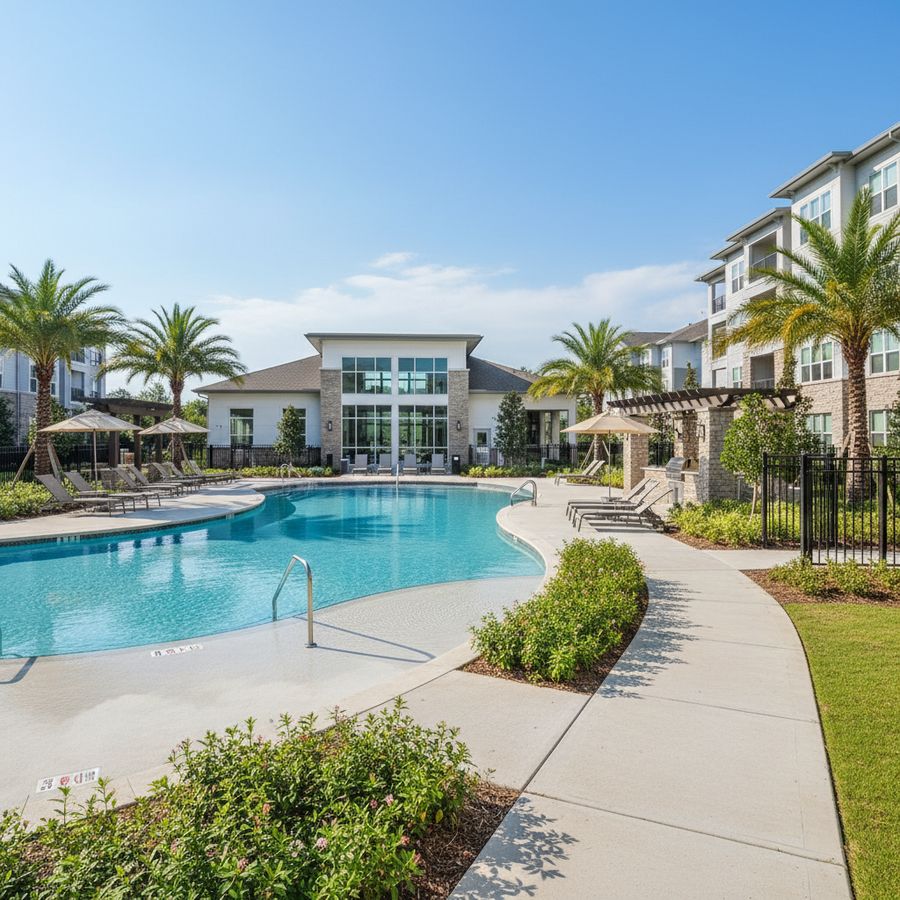
Shared property coverage is the cornerstone of homeowners association building insurance. This coverage protects the communal assets that all homeowners collectively own and maintain, including structures and amenities that benefit the entire community. Recognizing what shared property entails is crucial for appreciating the value of HOA insurance.
Common examples of shared property include:
- Building exteriors such as walls, roofs, and foundations
- Walkways, parking lots, and landscaping in common areas
- Community facilities like clubhouses, swimming pools, and gyms
- Elevators, stairwells, lobbies, and hallways
- Utility systems such as plumbing and electrical wiring servicing multiple units
HOA building insurance policies are designed to cover damage or loss to these shared assets, ensuring that repair and replacement costs do not become a financial burden on individual homeowners. This collective protection is especially important in condominium complexes and planned communities where shared spaces are extensive.
Often, insurance for shared property includes protection against common risks such as:
- Fire and smoke damage
- Storm and wind damage
- Water damage from plumbing or sprinkler systems
- Vandalism and theft
- Liability claims related to accidents on common property
In addition to physical damage, some HOA policies may include loss of use coverage, which helps pay for temporary relocation or lost rental income if residents cannot occupy their units due to a covered event affecting the shared property.
“Comprehensive shared property coverage ensures that the entire community remains protected and financially resilient.”
By investing in thorough shared property coverage, homeowners associations promote long-term sustainability and harmony within the community, mitigating the risk of costly disputes and unexpected expenses.
Legal Requirements
Compliance with legal insurance requirements is a fundamental reason why homeowners associations must secure appropriate building insurance. Many states and municipalities mandate minimum insurance coverage for HOAs to protect homeowners and third parties from financial losses resulting from property damage or liability claims.
Legal requirements for HOA insurance vary by jurisdiction, but commonly include mandates such as:
- Minimum coverage limits for property damage
- Liability insurance to cover injuries on common property
- Proof of insurance submission to regulatory bodies or mortgage lenders
- Regular renewal and updating of insurance policies
Failure to comply with these legal requirements can result in penalties, fines, or increased liability exposure for the HOA and its members. Moreover, mortgage lenders often require proof of HOA insurance before approving loans for units within the community, making it a vital factor in property transactions.
Beyond statutory mandates, HOA governing documents such as bylaws or declarations typically outline insurance obligations, including minimum coverage levels and authorized board responsibilities for policy management. Adhering to these internal rules ensures consistency and protects the association’s legal standing.
“Meeting legal insurance requirements is not only a compliance issue but also a critical safeguard against costly litigation and financial instability.”
Ultimately, understanding and fulfilling legal insurance requirements helps HOAs maintain transparency, trust, and protection for all homeowners, reinforcing the community’s long-term viability.
Cost Sharing Among Members
One of the most practical aspects of homeowners association building insurance is the equitable distribution of insurance costs among members. Since the insurance policy protects communal property, it is logical and fair that all homeowners contribute to the premiums, spreading financial responsibility across the community.
Cost sharing is usually structured through the HOA’s monthly or annual dues, which include a portion allocated specifically for insurance. The allocation method depends on the governing documents and may consider factors such as unit size, value, or equal distribution among members.
Benefits of this shared cost model include:
- Affordability: Individual homeowners pay a smaller share compared to purchasing separate insurance for common structures.
- Predictability: Fixed dues allow members to budget for insurance expenses as part of their regular fees.
- Transparency: Clear cost allocation fosters understanding and reduces disputes over insurance payments.
HOA boards must manage insurance costs prudently by regularly reviewing policy terms, negotiating premiums, and considering deductible levels that balance risk tolerance with affordability. Efficient management of insurance costs helps maintain healthy reserves and prevents unexpected special assessments that could burden homeowners.
Additionally, clear communication with members about what insurance covers and how costs are shared builds trust and encourages timely payment of dues, ensuring uninterrupted coverage.
“Fair cost sharing strengthens the financial foundation of the HOA and promotes community cohesion.”
In conclusion, sharing insurance costs among members is a practical approach that supports comprehensive protection while minimizing individual financial impact, making HOA building insurance a sustainable investment for the entire community.
Choosing the Best Policy
Selecting the right homeowners association building insurance policy is a strategic decision that requires careful evaluation of coverage options, insurer reputation, and cost-effectiveness. The goal is to find a policy that adequately protects the community’s shared assets while fitting within the budgetary constraints of the HOA.
Key factors to consider when choosing the best policy include:
- Coverage scope: Ensure the policy covers all essential shared property components and common risks faced by the community.
- Policy limits: Verify that coverage limits are sufficient to cover full replacement costs, considering inflation and property improvements.
- Deductibles: Balance deductible amounts to optimize premium costs without exposing the HOA to excessive out-of-pocket expenses.
- Exclusions: Review policy exclusions carefully to identify any gaps that might require additional coverage or endorsements.
- Claims service: Choose insurers with strong reputations for responsive claims handling and customer support.
- Legal compliance: Confirm the policy meets all applicable legal insurance requirements and HOA governing documents.
Engaging with an insurance specialist experienced in HOA insurance can provide tailored advice and access to competitive policies designed for community associations. Periodic policy reviews are also essential to adjust coverage as the community evolves.
“A well-chosen HOA insurance policy is an investment in the community’s resilience, financial stability, and peace of mind.”
By prioritizing thorough research, transparent communication, and professional guidance, HOA boards can secure the best insurance policy to protect their shared property and serve the interests of all homeowners.
Conclusion
In conclusion, homeowners association building insurance is an indispensable component of managing and protecting shared property within a community. From providing comprehensive shared property coverage to fulfilling essential legal insurance requirements, HOA insurance safeguards both physical assets and financial interests.
Understanding the nuances of HOA building insurance enables associations to make informed decisions that promote community harmony and financial security. The collaborative nature of insurance costs sharing among members ensures affordability and equitable responsibility, reinforcing the collective spirit of the homeowners association.
Choosing the best insurance policy involves careful consideration of coverage details, insurer reliability, and compliance factors to best fit the unique needs of the community. When managed effectively, HOA building insurance not only protects property but also fosters trust, stability, and long-term sustainability.
“Investing in the right HOA building insurance is a proactive measure that protects communities today and secures their future.”
For HOAs seeking to strengthen their risk management strategies, prioritizing comprehensive insurance coverage is a vital step toward safeguarding the shared investments and enhancing the quality of life for all residents.


Reacties
Een reactie posten