Vacant Building Insurance: Why It’S Essential for Owners
Overview
Vacant building insurance is a specialized form of coverage designed specifically for properties that remain unoccupied for extended periods. Unlike standard building insurance policies, which typically exclude or limit coverage for vacant properties, vacant building insurance addresses the unique risks and challenges posed by empty structures.
Owners of vacant buildings—whether they are residential homes, commercial spaces, or industrial facilities—face distinctive vulnerabilities that require tailored protection. These properties are often more susceptible to damage from vandalism, theft, weather events, and accidental incidents due to the absence of daily occupants who would otherwise notice and respond to problems promptly.
In essence, vacant property coverage serves as a critical safeguard for property owners who want to mitigate potential financial losses during periods when their buildings are not in use. This type of insurance not only helps cover repair costs but also provides peace of mind by ensuring that risks associated with vacancy are adequately managed.
Moreover, securing appropriate building insurance for vacant homes or commercial buildings can be a complex process, as insurers may impose stricter terms, higher premiums, or specific requirements such as regular inspections or security measures. Understanding the nuances of vacant building insurance enables owners to make informed decisions that align with their property risk management strategies.
"Vacant building insurance is essential for owners who want to protect their investment from the unique perils of an unoccupied property."
Whether you are a landlord, developer, or investor, ensuring your vacant property has the right insurance coverage is a proactive step toward minimizing risks and safeguarding your asset's value during periods of non-occupancy.
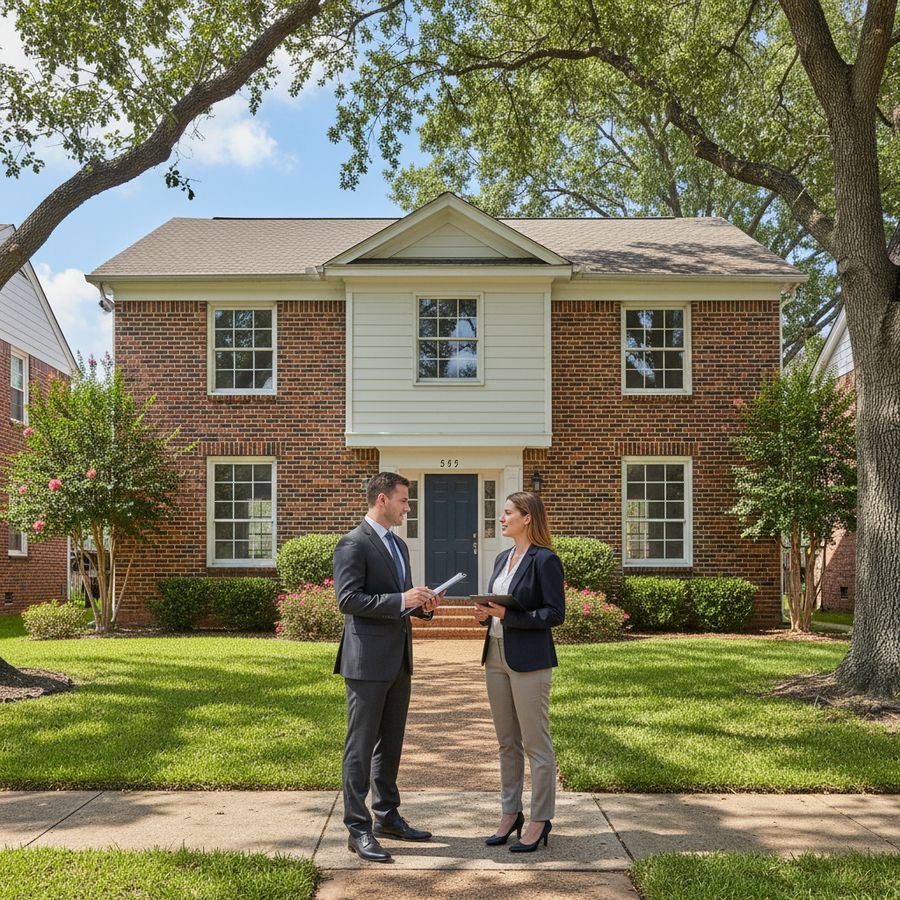
Risks of Vacant Buildings
Vacant buildings inherently carry a higher risk profile compared to occupied properties. The absence of residents or tenants means that issues can go unnoticed and escalate quickly, which often results in more severe damage and higher repair costs.
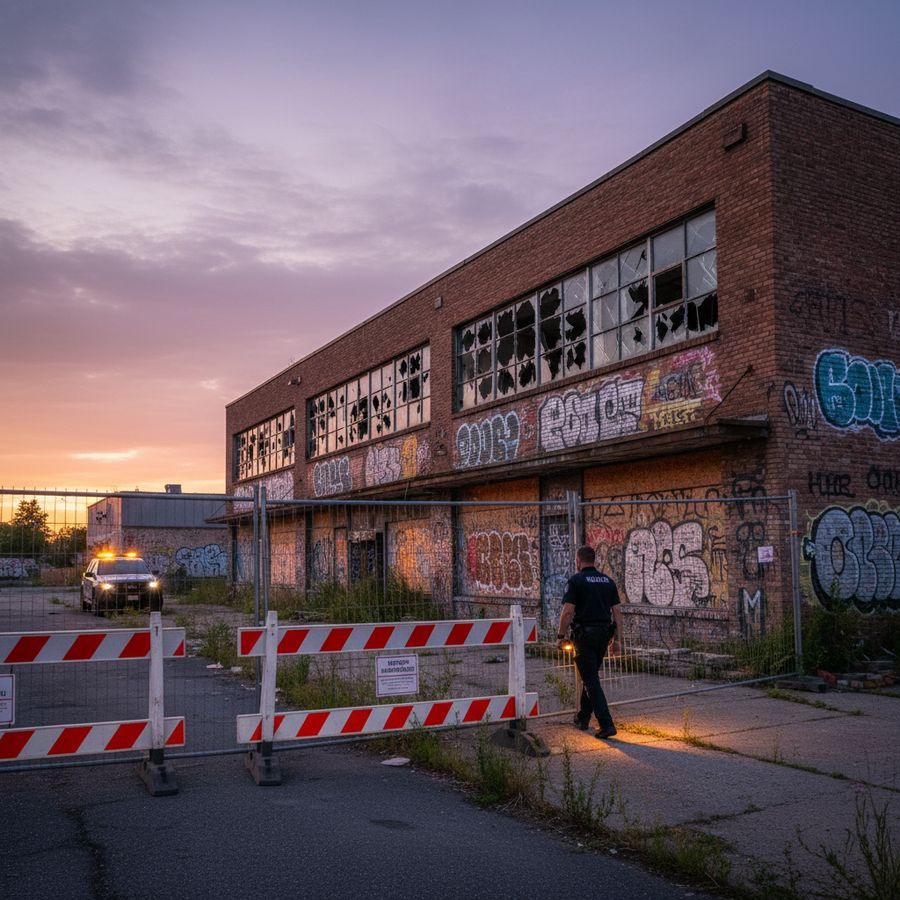
One of the primary risks is vandalism and theft. Empty buildings may attract unwanted attention from vandals, squatters, or thieves, who can cause extensive damage or steal valuable materials such as copper wiring and fixtures. The lack of daily human presence reduces the likelihood of early detection, making vacant buildings targets for criminal activity.
Another significant risk is related to property deterioration. Without regular maintenance, vacant properties can suffer from leaks, mold growth, pest infestations, and structural issues. For example, plumbing failures in unheated homes during winter can cause frozen pipes to burst, leading to costly water damage.
Furthermore, vacant buildings are vulnerable to fire hazards. Fires started accidentally or intentionally (arson) can cause total loss because delayed discovery often results in extensive damage. Insurance companies recognize that fire risks increase when buildings lack regular inspections and occupants to detect smoke or flames early.
Natural elements such as storms, floods, and heavy snow also pose threats. Without someone present to perform timely repairs or preventative measures, weather-related damage can worsen over time.
Increased likelihood of vandalism and theft
Accelerated structural deterioration and maintenance neglect
Higher fire risk due to delayed detection
Exposure to adverse weather without timely mitigation
Potential liability risks from trespassers or squatters
"Vacant buildings are essentially unprotected assets, making them highly susceptible to a broad range of risks that standard insurance may not cover."
Understanding these risks highlights the importance of having specialized vacant property coverage that addresses the gaps left by traditional building insurance policies.
What Vacant Building Insurance Covers
Vacant building insurance is designed to fill the coverage void left by typical property insurance policies which often exclude or limit protection for unoccupied buildings. This specialized insurance provides tailored coverage for the unique exposures associated with vacant properties.
Typically, vacant building insurance policies cover:
Property damage: Protection against physical damage caused by fire, vandalism, malicious mischief, water damage (including burst pipes), and severe weather events.
Theft and vandalism: Coverage for loss or damage resulting from break-ins, graffiti, or intentional destruction of property.
Liability protection: Protection against legal claims arising from injuries or accidents on the premises, which is particularly important given the risk of trespassers or squatters on vacant sites.
Debris removal and cleanup: Insurance for costs associated with removing damaged materials and restoring the property post-loss.
Loss of rental income: In some cases, coverage can extend to lost rental income due to damage that renders the property uninhabitable.
It is important to note that coverage specifics can vary widely by insurer and policy. Some policies may require additional endorsements or riders for particular risks such as mold remediation or environmental damage.
Because vacant buildings pose higher risks, insurers often impose special conditions such as requiring regular inspections, functioning security systems, boarded windows, or maintaining utilities like heat to prevent pipe freezing. Failure to comply with these conditions can result in denied claims.
"Vacant building insurance covers critical risks that standard policies exclude, offering peace of mind to owners during periods of vacancy."
Owners should carefully review policy terms to ensure that the vacant property coverage meets their specific needs and adequately protects their asset against common hazards.
Pricing Factors
The cost of vacant building insurance is influenced by multiple factors that reflect the increased risks and management challenges of insuring unoccupied properties. Understanding these pricing drivers can help owners anticipate premiums and implement measures to control costs.
Property location is a fundamental determinant. Buildings situated in areas with higher crime rates or greater exposure to natural disasters (such as flood zones or wildfire-prone regions) generally face higher premiums due to elevated risk.
Building type and construction also affect pricing. Properties built with fire-resistant materials or equipped with advanced security features may enjoy lower rates. Conversely, older buildings or those with wood construction may be more costly to insure.
The duration of vacancy is another crucial factor. The longer a property remains unoccupied, the higher the insurer’s exposure, which often translates to increased premiums or limited coverage periods. Some insurers may even refuse coverage beyond a certain vacancy threshold without additional risk mitigation.
Security and maintenance measures can substantially influence pricing. Installing alarms, surveillance cameras, regular property inspections, and maintaining utilities such as heating to prevent pipe freeze are viewed favorably by insurers and can lead to premium discounts.
Additionally, the policy limits and deductibles selected will directly impact the premium. Higher coverage limits and lower deductibles typically cost more but provide greater financial protection.
Location and neighborhood risk factors
Building age, construction type, and condition
Length of vacancy period
Presence of security systems and maintenance protocols
Coverage limits and deductible choices
"Investing in security and regular maintenance can reduce vacant building insurance costs by mitigating insurer risk."
Property owners should obtain quotes from multiple insurers and carefully evaluate the terms to ensure they receive competitive pricing aligned with their property risk management objectives.
How to Reduce Vacant Property Risks
Mitigating risks associated with vacant buildings is essential not only for safety and preservation but also to reduce insurance costs and improve the likelihood of claim approval. Effective property risk management strategies focus on prevention, deterrence, and timely response.
One of the most effective steps is to enhance security measures. Installing robust locks, boarding up windows, and implementing alarm systems or surveillance cameras can significantly deter theft, vandalism, and unauthorized entry. Visible security precautions also reassure insurers that the property is well-managed.
Regular property inspections are vital. Frequent walkthroughs by owners, property managers, or security personnel allow early detection of damage, leaks, or trespassing. Prompt repairs can prevent minor issues from escalating into major claims.
Maintaining essential utilities, such as heating during colder months, helps prevent common problems like frozen pipes and mold growth. Additionally, routine upkeep such as clearing gutters, trimming vegetation, and ensuring proper drainage reduces weather-related damage.
Another helpful approach is to maintain clear signage indicating private property and no trespassing. This can discourage unauthorized access and limit liability risks.
Install alarm and surveillance systems
Board or secure windows and doors
Conduct regular inspections and maintenance
Maintain utilities to prevent weather damage
Use clear signage to deter trespassing
"Proactive risk management strategies not only protect your vacant building but also support smoother insurance claims and reduced premiums."
By implementing these measures, owners can minimize the likelihood of damage, reduce repair costs, and maintain better relationships with their insurance providers.
Claim Scenarios
Understanding common insurance claim scenarios for vacant buildings helps owners appreciate the importance of specialized coverage and proper risk management. Here are some illustrative examples:
Vandalism and Theft: A vacant commercial property suffers extensive graffiti and broken windows due to vandalism. The vacant building insurance policy covers the repair costs and replacement of stolen fixtures not covered under standard insurance.
Water Damage: A vacant residential home experiences frozen pipes that burst during winter. The resulting flood damages floors and walls. Because the owner maintained heat and complied with policy conditions, the insurance claim is approved, covering restoration expenses.
Fire Damage: An arsonist sets fire to a vacant warehouse. The fire spreads rapidly before being detected. The owner’s vacant property coverage pays for rebuilding costs, including debris removal and temporary fencing.
Liability Claim: Trespassers enter a vacant building and sustain injuries. The liability portion of the vacant building insurance covers legal costs and settlements, protecting the owner from significant financial exposure.
"Vacant building insurance ensures owners are financially protected when unexpected incidents occur during periods of vacancy."
These scenarios highlight why relying solely on standard building insurance can leave owners vulnerable. Proper vacant building insurance and diligent risk management enable owners to navigate claims efficiently and recover more fully from losses.
Conclusion
Vacant building insurance is an essential component of comprehensive property risk management for owners of unoccupied structures. The unique risks associated with vacancy—ranging from vandalism and theft to accelerated deterioration and fire hazards—necessitate specialized coverage beyond standard policies.
By securing the right vacant property coverage, property owners can safeguard their investments from financial losses due to damage or liability during times of non-occupancy. Gaining insight into the factors that affect insurance pricing and applying effective risk reduction strategies can enhance both protection and cost efficiency.
Ultimately, vacant building insurance offers peace of mind and financial security, enabling owners to confidently manage their vacant properties while minimizing exposure to unforeseen incidents.
"Investing in vacant building insurance is a proactive step that safeguards your property’s value and your financial well-being."
If you own a vacant building, consider consulting with insurance specialists to tailor coverage that meets your specific needs and ensures your property remains protected throughout its vacancy.


Reacties
Een reactie posten