Commercial Building Insurance: What Businesses Need to Know
Overview
Commercial building insurance is an essential safeguard for businesses that own or occupy commercial properties. Whether you run a retail store, an office, a warehouse, or any other type of business premises, protecting your physical building against unforeseen events is crucial for long-term stability. This insurance provides financial protection against losses or damages caused by risks such as fire, vandalism, natural disasters, and other covered perils.
Many business owners underestimate the importance of having comprehensive business property insurance. Without it, restoring or rebuilding your commercial building after damage could lead to significant financial strain or even business closure. In addition to protecting the physical structure, commercial building insurance can also cover permanent fixtures and sometimes outdoor signage, ensuring that your entire property investment is shielded.
Understanding your policy and coverage options is key to selecting the right insurance for your needs. Policies vary widely depending on the insurer, the type of building, its location, and the nature of your business. It's important to work with a knowledgeable insurance provider who specializes in commercial properties to tailor coverage that matches your unique risks.
“Commercial building insurance offers peace of mind by protecting your business’s physical assets, allowing you to focus on growth and operations without fear of devastating losses.”
In today’s competitive market, having well-structured commercial building insurance not only safeguards your property but also strengthens your business’s credibility with lenders, partners, and clients. It is an indispensable part of a robust risk management strategy for any business operating from a commercial building.

What Commercial Building Insurance Covers
Commercial building insurance policies are designed to cover a variety of risks that could impact the physical structure of your business property. Typically, coverage includes damage caused by fire, lightning, explosions, storms, hail, vandalism, and theft. Some policies also offer protection against less common, but potentially devastating incidents such as earthquake or flood damage, depending on your location and risk profile.
The insurance usually covers not only the main building but also attached structures, permanent fixtures, and sometimes external elements like fencing or signage. This ensures comprehensive protection for your entire commercial property.
In addition to physical damage, many policies include protection for:
Business equipment and machinery: Essential tools and machines integral to your business operations.
Renovations and improvements: Any upgrades or modifications made to the building that increase its value.
Debris removal and cleanup costs: Expenses related to clearing damage aftermath after an insured event.
Temporary relocation expenses: If your business must temporarily move while repairs are made, some policies help cover those costs.
However, it’s important to note that business property insurance generally does not cover contents such as inventory or stock, which are often insured under separate policies like commercial contents insurance. Similarly, damage caused by wear and tear, neglect, or intentional acts is usually excluded.
“Carefully reviewing your commercial building insurance coverage details ensures you’re not caught off guard by exclusions or gaps in protection.”
Working closely with your insurance provider to understand and customize coverage can help you maximize protection while controlling premiums, ensuring your commercial property is shielded against the risks most relevant to your business.
Business Interruption Vs Property Damage Cover
When considering commercial building insurance, it’s vital to distinguish between property damage coverage and business interruption insurance, as they serve different but complementary purposes.
Property damage cover protects the physical building and its permanent fixtures from damage or destruction due to insured events such as fire, storm, or vandalism. This coverage pays for repairs or rebuilding costs, helping to restore your premises to its pre-loss condition.
On the other hand, business interruption insurance (also known as business income insurance) helps cover the loss of income and ongoing expenses when your business operations are disrupted due to a covered property damage event. This could include lost profits, rent, salaries, and other fixed costs during the period your business is unable to operate normally.
Both coverages are essential for comprehensive protection:
Property damage cover addresses the tangible, physical losses to your building.
Business interruption cover safeguards your cash flow and financial health while recovery is underway.
Without business interruption insurance, even a minor physical loss could lead to significant financial hardship if your business cannot generate revenue during repairs. Conversely, without property damage cover, you may not have the funds to restore your premises in the first place.
“Integrating business interruption insurance with your commercial property policy ensures your business can survive both the physical and financial impacts of unexpected disasters.”
Consulting with an insurance specialist can help you determine the appropriate limits and coverage periods for business interruption insurance, balancing cost and risk effectively.
Managing Underinsurance for Commercial Buildings
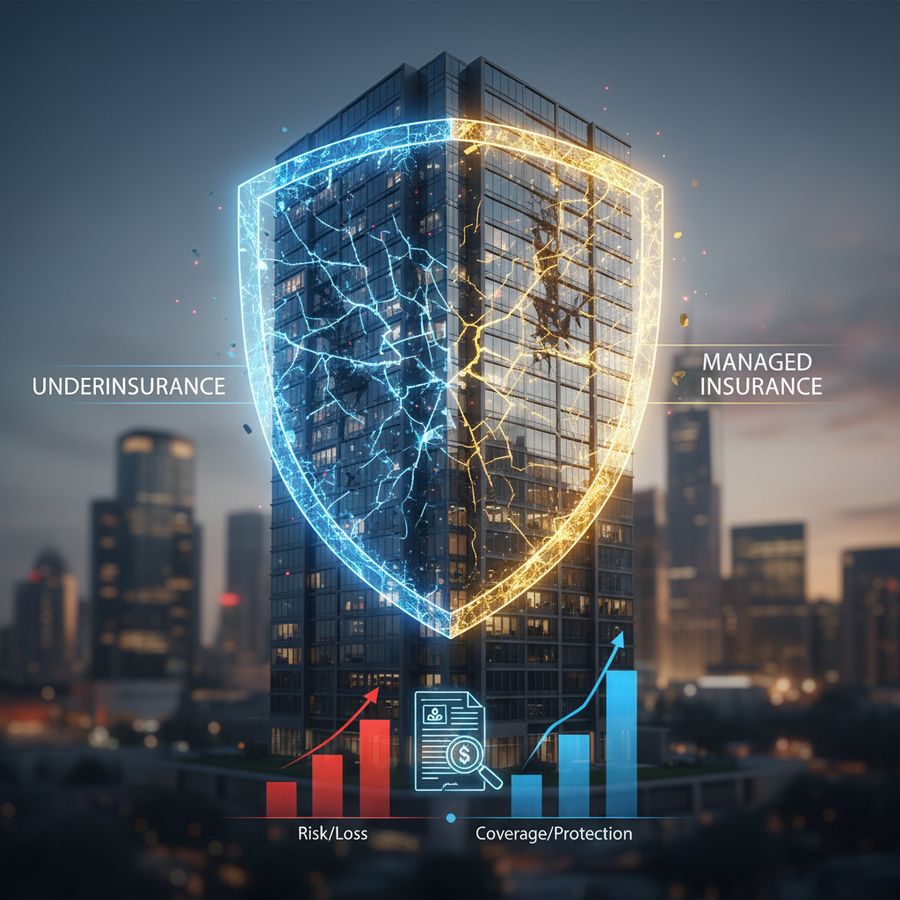
Underinsurance is a common but costly pitfall in commercial building insurance. It occurs when the insured value of the building is less than the actual cost to rebuild or repair it after damage. This can lead to significant out-of-pocket expenses for business owners if a claim is made.
Many businesses underestimate rebuilding costs due to factors such as rising construction costs, changes in building codes, or failure to account for demolition and debris removal expenses. To manage underinsurance effectively, it’s important to regularly review and update your building’s insured value based on accurate, current appraisals or rebuilding cost estimates.
Key strategies to avoid underinsurance include:
Conduct professional valuations: Engage qualified surveyors or building consultants to assess replacement costs accurately.
Review policies annually: Adjust coverage limits to reflect changes in market conditions, renovations, or expansions.
Include inflation protection: Many insurers offer automatic inflation adjustments to help keep your coverage in line with rising costs.
Understand policy terms: Be aware of any sub-limits or exclusions that might reduce your effective coverage.
Underinsurance penalties can severely reduce claim payouts, as insurers may apply a proportional reduction based on the ratio of insured value to actual replacement cost. This means you might bear a large portion of the rebuilding expense yourself.
“Properly managing underinsurance is not just about compliance but about ensuring your business can fully recover and continue operations after a loss.”
Taking proactive steps to maintain adequate coverage protects your commercial building investment and prevents unexpected financial burdens in times of crisis.
Requirements for Mortgages and Leases
Many commercial property owners face specific insurance requirements imposed by lenders and lease agreements. When you have a mortgage on a commercial building, your lender will almost always require you to maintain adequate commercial building insurance as a condition of the loan. This protects the lender’s financial interest in the property in case of damage or destruction.
Lenders typically specify minimum coverage limits and may require policy endorsements ensuring they are named as an additional insured or loss payee. This ensures claim payments can be directed appropriately to cover outstanding loan balances if needed.
Similarly, lease agreements often include insurance clauses that obligate tenants or landlords to maintain certain levels of coverage. For tenants, this might mean carrying insurance for tenant improvements or liability, while landlords usually maintain building insurance for the property structure.
Key considerations include:
Confirm coverage meets lender and lease requirements: Failure to comply can result in loan default or lease violations.
Provide proof of insurance: Certificates of insurance are usually required at lease signing and upon policy renewal.
Understand responsibilities: Clarify which party is responsible for insuring specific parts of the building or property.
Coordinate with property managers and insurers: To ensure seamless compliance and coverage continuity.
“Adhering to mortgage and lease insurance requirements protects your legal standing and preserves your business’s operational stability.”
Properly managing these requirements avoids disputes and ensures your commercial building’s insurance aligns with all contractual obligations.
Risk Inspections and Security Requirements Explained
Risk inspections are an integral part of the commercial building insurance process. Insurers often require detailed assessments of your building and its surroundings to evaluate potential hazards and risks that could lead to claims. These inspections help determine coverage eligibility, premiums, and any special conditions or recommendations.
During a risk inspection, an expert will examine various factors such as building construction materials, fire protection systems, electrical wiring, security measures, and proximity to fire services or flood zones. The insights gained allow insurers to identify vulnerabilities and suggest improvements to mitigate risks.
Security requirements can include installing alarm systems, CCTV cameras, secure access controls, or fire suppression equipment. Meeting these requirements not only reduces the likelihood of losses but can also lead to premium discounts and enhanced coverage options.
Fire safety systems: Sprinklers, smoke detectors, and fire extinguishers.
Physical security: Locks, fencing, lighting, and monitored alarms.
Maintenance standards: Regular upkeep to prevent deterioration and hazards.
Emergency preparedness: Clear evacuation plans and staff training.
“Regular risk inspections and compliance with security requirements strengthen your insurance position and contribute to a safer business environment.”
Understanding and acting on these inspections fosters a proactive approach to risk management, helping safeguard your commercial building from avoidable perils.
Conclusion
Commercial building insurance is essential for safeguarding your business’s physical assets and ensuring operational continuity. It covers property damage and supports recovery through business interruption insurance, addressing various risks that could jeopardize your company’s future. To learn more about protecting your business, visit Property Insurance.
Managing underinsurance, complying with mortgage and lease requirements, and embracing risk inspections and security protocols are critical components of a comprehensive insurance strategy. By staying informed and working closely with experienced insurers, business owners can secure tailored coverage that fits their unique needs.
In an unpredictable world, commercial building insurance offers the financial resilience and peace of mind necessary to focus on growing your business with confidence.
“Investing in the right commercial building insurance today protects your business tomorrow.”


Reacties
Een reactie posten