Holiday Home Insurance: Building Cover for Second Homes
Overview
Holiday home insurance is an essential safeguard for owners of second homes or recreational properties. Unlike primary residences, these properties often face unique risks and insurance needs due to their occasional occupancy and different usage patterns. Whether you own a coastal cottage, a mountain cabin, or a countryside retreat, protecting your investment with tailored building insurance coverage is crucial to avoid unexpected financial losses.
Owning a second home comes with distinct challenges—ranging from prolonged vacancy periods to exposure to natural elements like storms and floods. These factors increase the vulnerability of holiday homes to damage, making standard home insurance policies insufficient. Therefore, it's important to understand what holiday home insurance entails and how it differs from regular homeowners’ coverage.
Moreover, many holiday homes are rented out to tourists seasonally, creating additional liability and coverage considerations. Insurance policies for these properties must address the risks associated with rental activities, such as tenant damage or liability claims. This is where specific recreational home insurance plans come into play, designed to cover the unique aspects of holiday homes.
“Holiday home insurance bridges the gap between traditional homeowners’ policies and the specialized needs of second properties, ensuring comprehensive protection against a wide range of risks.”
In this guide, we will explore the fundamentals of holiday home building insurance, clarify coverage during tourist rentals, review common storm and flood risks, highlight insurer security requirements, and discuss important claims considerations for seasonally occupied homes. Understanding these elements will empower you to make informed decisions about protecting your holiday home investment effectively.
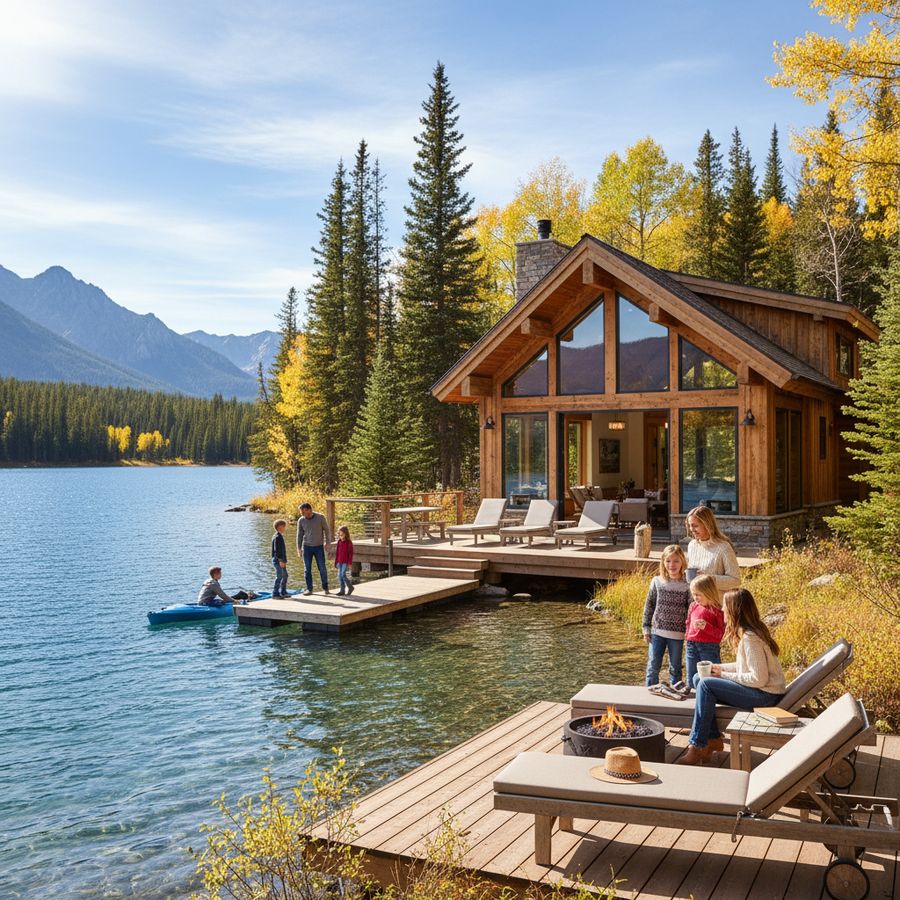
Holiday Home Building Insurance Basics
At its core, holiday home building insurance functions to protect the physical structure of your second home against damage or loss. This coverage typically includes protection against perils such as fire, theft, vandalism, and accidental damage. However, the scope and terms can vary significantly compared to standard home insurance policies designed for primary residences.
One of the key distinctions is that holiday homes often remain unoccupied for extended periods, which raises the risk of unnoticed damage or vandalism. Consequently, insurers may impose specific conditions or exclusions related to vacancy periods. It’s common for policies to require minimum maintenance, regular inspections, or even security measures to maintain coverage validity.
When selecting building insurance for a recreational property, it is important to ensure the policy covers:
Structural damage to walls, roofs, floors, and foundations
Fixtures and fittings such as built-in kitchens and bathrooms
Damage caused by natural disasters like storms and flooding
Accidental damage and vandalism
Costs associated with debris removal and temporary repairs
Second home insurance often includes options to extend coverage to outbuildings, garages, or other on-site structures, which can be critical for rural or remote holiday homes. Additionally, some policies provide coverage for lost rental income if the property is rented out and becomes uninhabitable due to an insured event.
Understanding the fine print, including deductibles, coverage limits, and exclusions, is essential to avoid surprises during a claim. Consulting with an insurance specialist who understands the nuances of holiday home insurance can help you tailor coverage to your property’s specific needs and usage patterns.
Coverage During Rental to Tourists Explained
Many owners of holiday homes choose to rent their properties to tourists as a way to offset costs or generate income. While this can be a profitable venture, it introduces additional insurance complexities that must be carefully managed. Standard building insurance policies may not automatically cover rental activities, so specific endorsements or separate policies are often necessary.
Holiday home insurance policies designed to cover rental periods provide protection not only for structural damage but also for liabilities arising from tenant occupancy. This includes protection against accidental damage caused by guests, theft or vandalism during rentals, and third-party injury claims.
Key elements to consider in rental coverage include:
Liability protection for injuries occurring on the property
Coverage for tenant-caused damage beyond normal wear and tear
Loss of rental income if the home becomes uninhabitable due to an insured event
Protection against theft or damage to furnishings and appliances
Insurance providers often require owners to notify them of rental arrangements and may impose conditions such as background checks on tenants or limits on rental duration. Failure to disclose rental use can result in denied claims or policy cancellation.
“Appropriate rental coverage ensures that your holiday home is protected not only as a building asset but also as a source of income, providing peace of mind during tourist occupancy.”
It’s advisable to work with an insurer experienced in building insurance for rented property to ensure your policy covers all relevant risks. This approach helps safeguard your investment while complying with insurer requirements and managing potential liabilities effectively.
Storm and Flood Risks for Holiday Homes
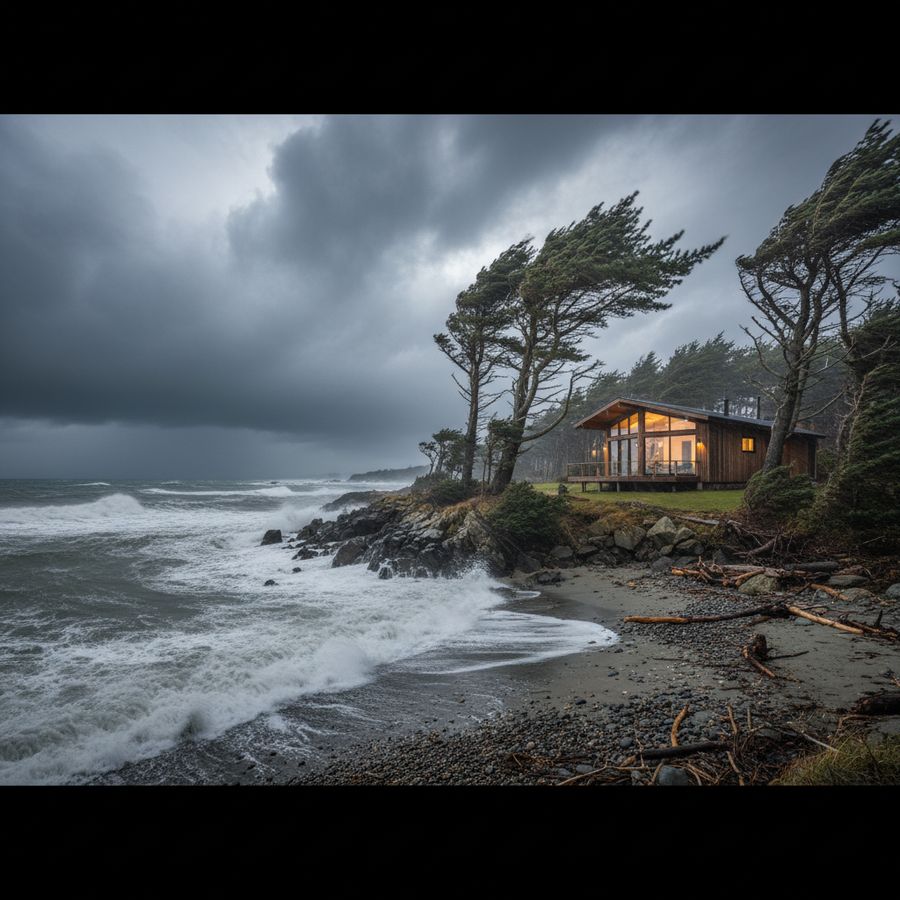
Due to their locations—often near coasts, lakes, or in rural settings—holiday homes are particularly vulnerable to natural hazards such as storms and flooding. These risks can cause severe damage to buildings, leading to costly repairs or even complete rebuilding. Therefore, a comprehensive holiday home insurance policy must address storm damage and flood risks explicitly.
Storm damage can include wind damage to roofs, broken windows, fallen trees, and water ingress. Flooding, whether from rising rivers, heavy rain, or storm surges, can cause extensive structural damage as well as mold issues if not promptly addressed. Insurers often assess the property's location to determine flood risk, which can affect premiums and coverage options.
Important considerations for storm and flood coverage include:
Whether flood damage is included or requires separate endorsement
Limits on coverage for water damage and remediation costs
Requirements for preventative measures such as flood barriers or storm shutters
Claims procedures following storm or flood events
Many holiday home owners underestimate the impact of these natural hazards and purchase inadequate coverage. It’s vital to review local weather patterns and historical claims data to understand the risks your holiday home faces. Adding flood insurance or increasing storm damage limits can be a prudent investment.
“Protecting your second home against storm and flood damage is key to preserving its value and ensuring your peace of mind, especially given the unpredictable nature of weather events.”
Consulting with a building insurance specialist can help you tailor your policy to include the necessary storm and flood protections, preventing gaps in coverage that could prove costly in the aftermath of severe weather.
Security Measures Insurers Often Require
Because holiday homes are typically left unoccupied for extended periods, insurance companies often impose specific security requirements as a condition of coverage. These measures are designed to reduce the risk of theft, vandalism, and unnoticed damage, which are more common in vacant properties.
Common security measures insurers may require include:
Installation of approved burglar alarms and monitored security systems
Robust door and window locks meeting certain standards
Regular inspections or occupancy checks during vacancy periods
Security lighting and possibly CCTV coverage
Notification to the insurer if the property will be vacant beyond a specified duration
Failure to implement or maintain these measures can lead to policy cancellation or claim denial in the event of a loss. Some policies may also require owners to install smoke detectors and fire extinguishers as part of their risk mitigation strategy.
Security is a critical factor in managing the risk profile of your holiday home, and insurers may offer premium discounts if stringent security protocols are in place. Additionally, these measures contribute to the overall safety and preservation of your investment.
“Implementing robust security measures not only protects your holiday home but also enhances your insurance eligibility and can lower premiums.”
When arranging holiday home insurance, discuss with your provider the exact security requirements and how best to comply. This proactive approach ensures uninterrupted coverage and reduces the likelihood of costly incidents.
Seasonal Occupancy and Claims Considerations
Seasonal occupancy is a defining feature of holiday homes and has significant implications for insurance coverage and claims management. Many insurers differentiate between primary and secondary residences based on occupancy patterns, which can affect premiums and policy terms.
Extended periods of vacancy increase risks such as unnoticed water leaks, frost damage, or break-ins. Insurance policies typically require owners to maintain the property adequately during off-season months and may specify conditions such as:
Regular property visits and maintenance during vacancy
Winterizing plumbing systems to prevent freeze damage
Securing the property against unauthorized access
Prompt reporting of any incidents or damage observed
Claims for damage occurring during long vacancies can be more challenging to prove and process. Insurers may scrutinize such claims closely to determine whether negligence contributed to the loss. Documenting maintenance activities and inspections can support claims and demonstrate responsible property management.
Effective communication with your insurer about occupancy schedules and any changes in usage is essential. Some policies provide options for adjusting coverage seasonally or suspending certain protections during vacancy periods, which can optimize costs without compromising security.
“Understanding how seasonal occupancy affects your holiday home insurance helps you avoid coverage gaps and ensures smooth claims handling when incidents occur.”
By proactively managing your property and maintaining transparent communication with your insurer, you can protect your holiday home investment and enjoy peace of mind throughout the year.
Conclusion
Protecting your holiday home with suitable building insurance coverage is essential for any second home owner. Due to the unique risks tied to recreational properties—like extended vacancy, vulnerability to storm damage, and rental liabilities—standard homeowners’ policies frequently do not provide adequate protection.
Holiday home insurance tailored to the needs of second homes ensures comprehensive protection against structural damage, natural disasters, theft, and rental-related risks. Understanding the specific coverage requirements, insurer security conditions, and seasonal occupancy considerations will help you select a policy that safeguards your investment effectively.
Whether your holiday home is a quiet weekend retreat or a busy rental property, working with knowledgeable insurance professionals can provide you with customized solutions that balance coverage and cost. Prioritize thorough risk assessment and proactive property management to minimize claims complications and maintain uninterrupted protection.
“Investing in the right holiday home insurance means securing your recreational haven against unforeseen events, so you can enjoy your second home with confidence and peace of mind.”


Reacties
Een reactie posten