What to Do After a Car Accident: Insurance Steps
Overview
Car accidents can be a stressful and overwhelming experience, but knowing the proper car accident insurance steps to take afterward can help protect your rights and finances. Immediately following a collision, it’s crucial to understand your responsibilities, especially regarding insurance and liability. Whether the accident is minor or major, following the right procedures will ensure you receive the proper compensation and avoid unnecessary complications.
One of the most important aspects after a car accident is understanding the role of liability insurance. Liability insurance covers damage or injury you cause to others in an accident. It is mandated by law in most places to protect all drivers from bearing excessive financial burdens after accidents. Besides liability insurance, you may also have coverage for your own vehicle damage, commonly referred to as an own damage claim. Knowing the difference between these coverages will help you navigate the claims process smoothly.
The process after an accident often involves multiple steps—from ensuring safety to collecting evidence, reporting to the police, notifying your insurer, and managing claim timelines. Each step is vital to safeguard your interests and maintain your valuable no-claim years, which affect your insurance premiums. This guide will walk you through essential actions to take after a car accident, focusing on the insurance aspects to help you handle the situation with confidence and clarity.

Safety First and Collecting Accident Evidence
Your immediate priority after a car accident should always be safety. Ensure that everyone involved is safe and, if necessary, call emergency services for medical assistance. Moving to a safe location, if possible, helps prevent further accidents and injuries. Once safety is secured, collecting accurate and detailed evidence is crucial for your insurance claim and any legal proceedings.
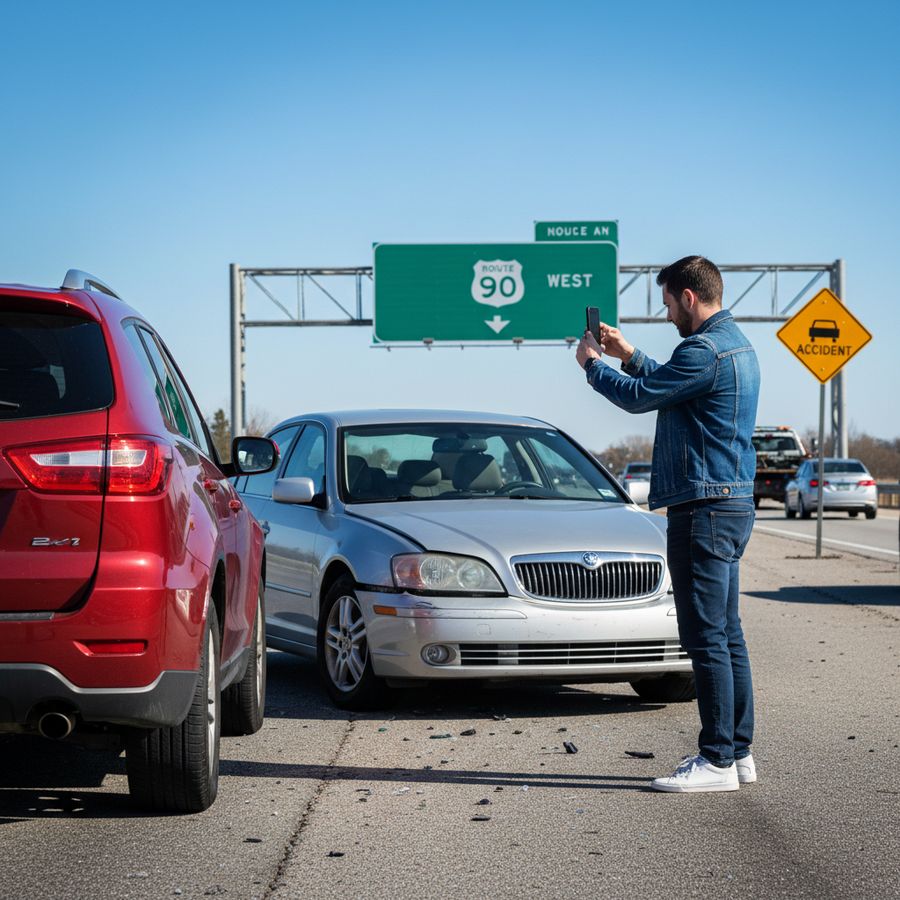
Gathering accident evidence involves several important actions. First, take photos of the accident scene, including all vehicles involved, any visible damages, road conditions, traffic signs, and skid marks. These photos serve as objective proof when reporting the incident to your insurance company.
Additionally, exchange contact and insurance information with the other parties involved. Be sure to note down their policy numbers, vehicle registration details, and phone numbers. If there are witnesses, ask for their contact information as their statements may support your case.
Writing down a detailed account of how the accident occurred while it's fresh in your mind is also advisable. Include the time, date, weather conditions, and any other relevant details. If your vehicle is equipped with a dashcam, save the footage as it can be valuable evidence.
“Safety is the top priority after an accident, but thorough documentation is equally essential to protect your interests when reporting a claim.”
When to Call Police and File Reports
Knowing when to involve the police after a car accident is a critical part of the car accident insurance steps. In many jurisdictions, you are legally required to call the police if there is significant damage, injury, or if the other party is uncooperative. Even in minor accidents, filing a police report can be beneficial for insurance purposes.
Police reports provide an official and impartial record of the incident, which insurers rely on to determine fault and liability. If the accident involves injuries or disputes about who caused the collision, the police report can be decisive in settling claims. It is important to remain calm and cooperative with responding officers, providing honest and clear information without admitting fault on the scene.
If the police do not come to the accident site, you may be required to visit a local police station to file a report within a specified timeframe. This ensures the accident is officially documented even if there were no injuries or severe damage.
Ultimately, timely police notification helps preserve evidence and supports your claim, especially when dealing with liability insurance and fault determination. It is always better to err on the side of caution and report the accident to authorities when in doubt.
How to Report a Claim to Your Insurer
Reporting your accident promptly to your insurance company is a fundamental step in the aftermath of a collision. Insurance providers typically require notification within a specific timeframe to activate coverage and begin the claims process. Delaying this can complicate your claim or even lead to denial of coverage.
When you report a claim, have all relevant information ready, including your policy number, details of the accident, photos, police report number, and contact info of other parties involved. Most insurers offer multiple ways to report claims, such as online portals, mobile apps, or dedicated telephone lines, making the process convenient and accessible.
During the claim filing, you will provide a detailed account of the accident and the extent of damages. Your insurer may assign a claims adjuster who will evaluate the damage and verify the circumstances. It’s important to respond promptly to any requests for additional information or documentation to avoid unnecessary delays.
For an own damage claim, the process may include vehicle inspection and repair estimates. If liability is contested, your insurer will investigate and coordinate with the other party’s insurer to determine fault. Understanding your policy coverage and deductibles beforehand will help set expectations for potential out-of-pocket costs.
Claim Timelines and Required Documents
Timely submission of claims and the correct documentation are vital to ensure smooth processing and quicker settlements. Insurance companies typically set deadlines for reporting accidents and submitting supporting documents, so adhering to these timelines is crucial.
Required documents often include the police report, photos of the accident and damages, your insurance policy details, a completed claim form, and any medical reports if injuries occurred. Additionally, repair estimates or invoices from authorized garages may be necessary for own damage claims. Keeping all receipts and correspondence related to the accident organized will facilitate your claim.
Claim timelines vary by insurer and policy, but generally, you should report the accident within 24 to 72 hours. Some insurers provide a grace period, but it’s best to notify them as soon as possible. Delays can complicate investigations and may jeopardize your no-claim years.
After filing, the insurer will typically acknowledge receipt and provide an expected timeline for claim resolution. Staying in contact with your claims adjuster and promptly supplying any additional information requested will help avoid unnecessary delays.
Liability Vs Own Damage: Who Pays What?
Understanding the distinction between liability insurance and coverage for your own damage claim is key to knowing who pays for what after a car accident. Liability insurance covers damages and injuries you cause to other people or their property. If you are at fault in an accident, your liability insurer will pay for repairs and medical bills related to the other party.
On the other hand, own damage coverage (also known as comprehensive or collision coverage) pays for damages to your own vehicle, regardless of fault. This coverage is optional in many cases but highly recommended for protecting your investment, especially if your car is new or valuable.
If you have only liability insurance, you will be responsible for repairing your own car out of pocket. However, with own damage coverage, you can file a claim with your insurer to cover repair costs minus any deductible.
In accidents where fault is disputed or shared, insurers may divide responsibilities accordingly. It’s important to communicate clearly with your insurer about the circumstances to understand the scope of coverage and any potential financial liabilities.
Protecting No-Claim Years After an Accident
No-claim years represent the period you have gone without making an insurance claim, which directly impacts your premium discounts. After a car accident, you may worry about losing these valuable years, leading to higher insurance costs.
Some insurance policies offer no-claim protection, allowing you to make a claim without losing your discount. It’s essential to check if your policy includes this feature. Alternatively, paying minor repair costs out of pocket rather than claiming may help preserve your no-claim years.
Accurately reporting accidents and cooperating with your insurer can also help mitigate premium increases. Insurers assess the circumstances and fault when determining any impact on your no-claim years. If the accident was not your fault, your no-claim status might remain unaffected.
Maintaining a clean driving record and promptly addressing any claims will support your ability to keep no-claim benefits intact, ensuring long-term savings on your insurance premiums.
Conclusion
Knowing what to do after a car accident is crucial for protecting yourself both financially and legally. Prioritizing safety, gathering detailed evidence, understanding when to involve the police, and promptly notifying your insurer are all vital car accident insurance steps. Being informed about the differences between liability insurance and own damage claims helps clarify who is responsible for costs, while careful handling of claims protects your valuable no-claim years. For more information, check out Dutch Car Insurance.
By following these guidelines, you can navigate the post-accident process with confidence, ensuring you receive fair compensation and minimize stress during a challenging time.


Reacties
Een reactie posten