Environmental Liability Insurance Vs Public Liability
Overview
Environmental liability insurance and public liability insurance are critical components of business liability insurance, yet they serve distinct purposes. Environmental liability insurance primarily protects businesses from costs related to pollution and environmental damage caused by their operations. This includes remediation costs, legal fees, and third-party claims arising from soil, water, or air contamination.
On the other hand, public liability insurance covers claims made by third parties for bodily injury or property damage resulting from your business activities. It is designed to protect against incidents occurring on your premises or due to your operations that affect the public or visitors.
Understanding the difference between these coverages is essential for businesses to ensure comprehensive protection against various liability risks.
While both insurance types address liabilities towards third parties, environmental liability insurance specifically addresses pollution liability, which is often excluded from standard public liability policies. Choosing the right insurance mix helps businesses mitigate financial risks effectively and comply with legal requirements.
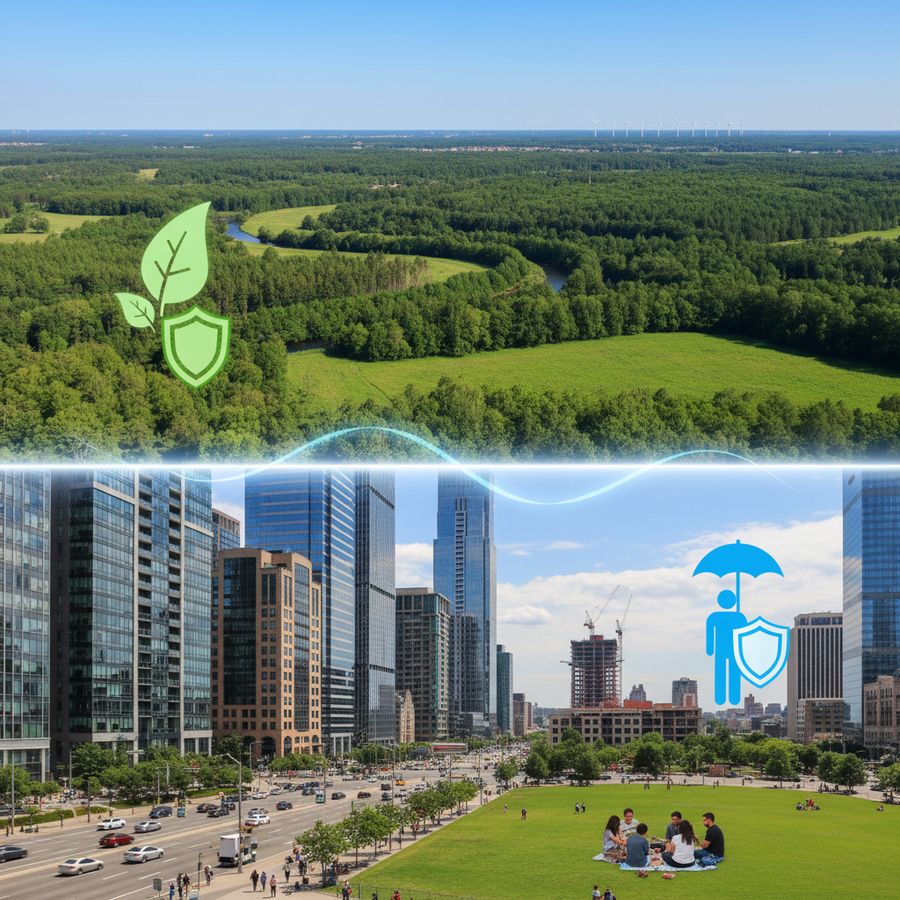
Key Differences in Liability Coverages Explained
The primary distinction between environmental liability insurance and public liability insurance lies in the scope of coverage. Public liability insurance protects against third-party claims related to physical injury or property damage caused by your business operations, typically excluding pollution-related incidents.
Environmental liability insurance, by contrast, covers the costs related to pollution incidents—such as cleanup, remediation, and legal defense—including damages caused by hazardous substances or accidental releases. This insurance may cover both your own site and third-party locations affected by your business activities.
- Public Liability Insurance: Covers bodily injury and property damage claims from third parties.
- Environmental Liability Insurance: Covers pollution liability including remediation and associated costs.
- Third-party claims: Both policies can cover claims from third parties but focus on different types of damages.
Businesses handling hazardous substances or operating in potentially polluting industries should consider environmental liability insurance alongside public liability insurance for full coverage.
When Public Liability Insurance Is Not Enough
Public liability insurance offers broad protection against many common risks, yet it often excludes pollution liability and environmental damage. This gap can expose businesses to significant financial losses if environmental incidents occur, such as chemical spills or contamination of soil and water.
For many businesses, especially those in manufacturing, construction, or waste management, relying solely on public liability insurance is insufficient. Pollution incidents can lead to expensive cleanup costs, legal penalties, and third-party claims that public liability policies typically do not cover.
"Without environmental liability insurance, businesses may face uncovered expenses that can severely impact financial stability."
Therefore, understanding your business’s environmental risks and supplementing public liability insurance with pollution liability coverage is vital to protect against unforeseen environmental claims and regulatory fines.
Pollution Incidents and Third-Party Claims Scenarios
Pollution incidents can arise unexpectedly and cause extensive damage to the environment and third parties. Examples include chemical leaks, fuel spills, or hazardous waste mismanagement. These events often lead to third-party claims for property damage, health issues, or cleanup costs.
Third-party claims scenarios often involve:
- Contamination of nearby water sources affecting local communities.
- Soil pollution on adjacent properties caused by business activities.
- Injury or illness due to exposure to hazardous substances released by the insured business.
Environmental liability insurance covers such claims, including the costs of investigation, remediation, and legal defense. Without this coverage, businesses might be responsible for significant out-of-pocket expenses and damage to their reputation.
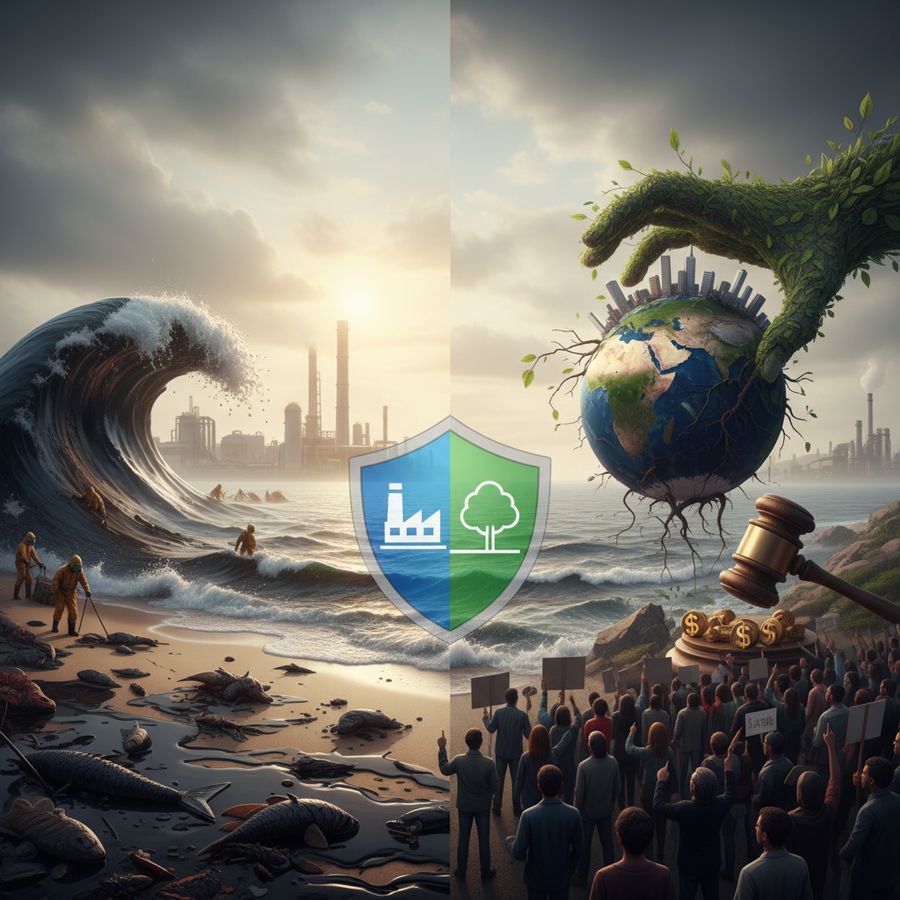
Examples: Fire, Asbestos, Hazardous Substances Release
Environmental liability insurance is essential in cases involving fire, asbestos, and hazardous substances release. For instance, a fire at a business facility can release toxic chemicals or asbestos fibers, contaminating soil and air.
These scenarios highlight the importance of specialized coverage:
- Fire: Post-fire pollution, including soil contamination and hazardous runoff, typically is not covered under general fire insurance.
- Asbestos: Exposure claims and remediation costs due to asbestos are often excluded from public liability policies.
- Hazardous Substances Release: Accidental spills or leaks of chemicals or fuels can result in costly environmental cleanup and third-party claims.
Environmental liability insurance safeguards businesses from these costly exposures and ensures compliance with environmental laws.
How to Combine Policies for Full Protection
To achieve comprehensive risk management, businesses should carefully combine environmental liability insurance with public liability insurance. While public liability insurance covers general third-party bodily injury and property damage, environmental liability insurance addresses pollution-related risks.
Combining these policies involves:
- Assessing your business’s environmental risk exposure and operational hazards.
- Choosing environmental liability coverage that includes on-site and off-site pollution risks.
- Coordinating limits and deductibles to avoid coverage gaps or overlaps.
Many insurers offer tailored packages or endorsements to merge these coverages, providing a seamless solution for businesses facing multifaceted liability risks. Consulting with an insurance expert can help identify the right coverage mix for your specific needs.
Questions to Ask Before Buying Coverage
Before purchasing business liability insurance, it is crucial to ask targeted questions to ensure your coverage adequately protects against both environmental and public liability risks.
- Does the public liability insurance cover pollution incidents or are they excluded?
- What specific pollution risks does the environmental liability insurance cover?
- Are third-party claims for environmental damage included in the policy?
- What are the limits, deductibles, and exclusions in both policies?
- Does the coverage extend to off-site pollution caused by my operations?
Asking these questions helps clarify coverage details and prevents unexpected gaps in protection, ensuring your business is fully safeguarded against liability claims.
Conclusion
Environmental liability insurance and public liability insurance are complementary yet distinct coverages essential for robust business liability protection. While public liability insurance shields against common third-party injury and property damage claims, environmental liability insurance specifically addresses pollution liability and its costly consequences.
Businesses exposed to environmental risks should not rely solely on public liability coverage but instead incorporate environmental liability insurance to safeguard against pollution incidents, third-party claims, and regulatory fines.
Investing in both insurance types ensures comprehensive protection, mitigates financial risks, and supports sustainable business operations.
Consulting insurance experts and carefully evaluating your business activities will guide you in selecting the right insurance policies to secure your business’s future effectively.


Reacties
Een reactie posten