Rental Property Insurance: Cover for Letting a House
Overview
Rental property insurance is an essential safeguard for landlords who rent out their homes. Unlike standard homeowner’s insurance, letting a house insurance is tailored to the unique risks associated with rental properties. It provides protection not only for the building but also for potential liabilities that arise from having tenants on the premises.
Letting a property exposes landlords to specific challenges, such as damage caused by tenants, loss of rental income, and legal disputes. Without adequate insurance coverage, landlords could face significant financial losses. Therefore, understanding the different types of insurance available and the coverage they offer is critical for anyone letting a house.
With the right rental property insurance, landlords can protect their investment against unforeseen events such as fire, flood, or vandalism, while also covering landlord liability risks. This comprehensive approach helps maintain peace of mind and financial security.
“Insurance designed specifically for rental properties ensures landlords are covered for unique risks that standard homeowner policies often exclude.”
In this article, we will explore the key components of rental property insurance, including building insurance, landlord liability, loss of rent, and legal expenses insurance. We will also discuss the differences between short-term and long-term letting and how to avoid underinsurance on rebuild value.

Building Insurance for a Let Property
Building insurance for rental properties covers the physical structure of the property against risks such as fire, storm damage, flooding, and vandalism. This coverage is vital because letting a house often involves additional risks compared to owner-occupied homes, including wear and tear caused by tenants.
It is important to ensure that the building insurance policy for a let property includes all permanent fixtures and fittings, such as kitchens, bathrooms, and built-in appliances, as well as outbuildings like garages and sheds. Some policies may also offer accidental damage cover, which can be particularly beneficial in protecting against unexpected tenant-related incidents.
Landlords should carefully assess the rebuild cost of their property when purchasing building insurance. This ensures that in the event of a total loss, the insurance payout will be sufficient to restore the property to its original condition. Many insurers offer tailored policies specifically for rental properties, which take into account the unique risks associated with letting.
“A well-structured building insurance policy is the cornerstone of rental property protection, helping landlords mitigate costly repair and rebuilding expenses.”
Additionally, landlords should verify that the policy covers the property even if it is temporarily unoccupied, as some insurers impose restrictions on vacant properties which could lead to claim denials.
Public Liability for Landlords Explained
Landlord liability insurance, often referred to as public liability for landlords, protects property owners against claims made by third parties for injury or property damage occurring on the rental premises. This coverage is crucial because landlords can be held legally responsible if a tenant or visitor suffers an accident due to negligence.
Typical scenarios where landlord liability insurance is essential include slips and falls on poorly maintained walkways, injuries caused by faulty fixtures, or accidents resulting from structural issues. Without this protection, landlords could face costly legal fees and compensation payments.
Public liability insurance for landlords usually covers:
Legal defense costs
Medical expenses of injured parties
Compensation claims arising from bodily injury or property damage
“Landlord liability insurance is a fundamental layer of protection, shielding landlords from potentially devastating legal liabilities.”
It is advisable for landlords to ensure their policy limits are adequate to cover possible claims, considering the number of tenants and visitors. Combining landlord liability with other rental property insurance options creates a comprehensive safety net against diverse risks.
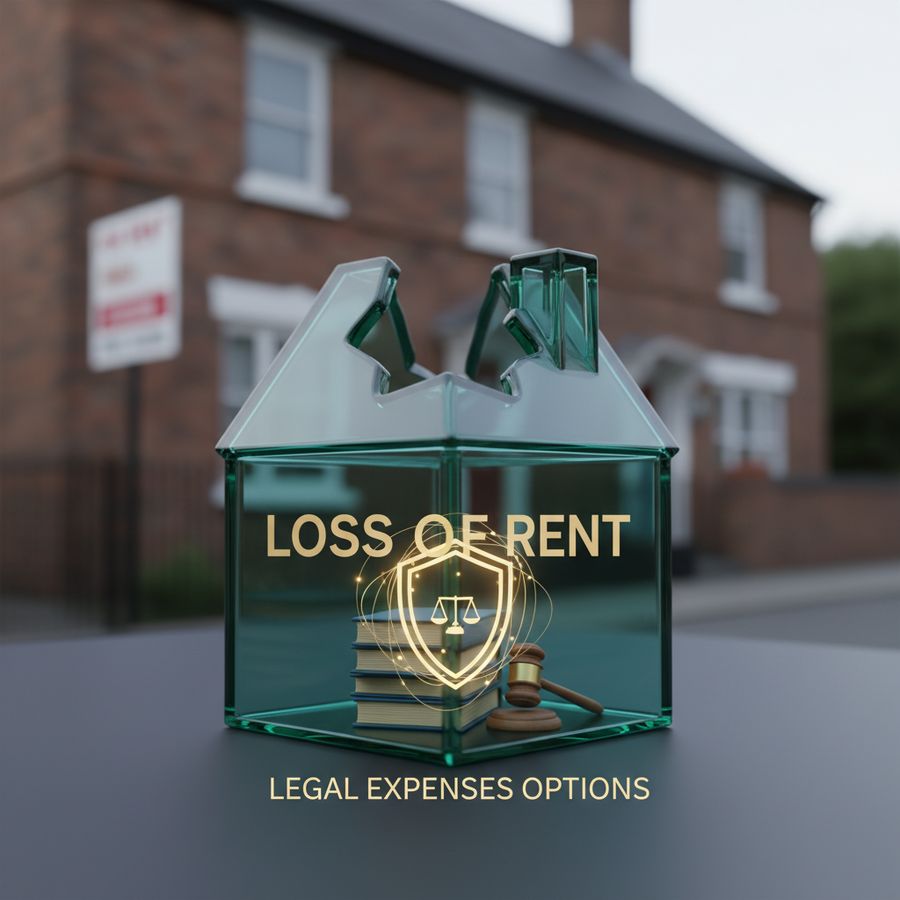
Loss of Rent and Legal Expenses Options
Loss of rent insurance provides vital financial protection if your rental property becomes uninhabitable due to an insured event like fire or flood. This cover compensates landlords for the rental income they lose during repairs, helping maintain steady cash flow and meet ongoing expenses.
Legal expenses insurance is another valuable option for landlords, covering the costs associated with legal disputes related to tenancy. This can include eviction proceedings, rent arrears recovery, or disputes over lease terms. Such coverage helps landlords manage complex legal challenges without incurring prohibitive costs.
Choosing loss of rent and legal expenses insurance enables landlords to:
Protect income streams during unexpected property downtime
Access expert legal advice and representation
Reduce the financial impact of tenant disputes
“Combining loss of rent with legal expenses insurance equips landlords to safeguard their income and navigate tenant-related legal complexities.”
When selecting these options, landlords should review policy terms carefully to understand waiting periods, claim limits, and specific exclusions, ensuring the coverage aligns with their risk profile.
Short-Term Vs Long-Term Letting Differences
Short-term and long-term letting present distinct insurance challenges and requirements. Short-term lets, such as holiday rentals or Airbnb, tend to have higher tenant turnover and increased property usage, which can lead to more frequent wear and tear or accidental damage.
Insurance policies for short-term lets often include additional cover for contents and accidental damage, reflecting the higher risk of damage by multiple, transient tenants. Moreover, public liability risks can be elevated due to increased foot traffic, necessitating robust landlord liability coverage.
In contrast, long-term letting typically involves more stable tenants and less frequent property use changes. Insurance for long-term lets focuses more on building protection and landlord liability, with less emphasis on accidental damage cover, although this can still be important depending on tenant profiles.
“Understanding the differences between short-term and long-term letting insurance helps landlords choose the right cover for their letting strategy.”
Landlords should ensure their rental property insurance aligns with the letting type, considering factors such as occupancy rates, tenant behavior, and duration of tenancy to optimize protection and cost-effectiveness.
How to Avoid Underinsurance on Rebuild Value
Underinsurance on rebuild value is a common pitfall for landlords, potentially leading to inadequate claim payouts after a loss. To avoid this, it is crucial to accurately calculate the rebuild cost, which differs from market value and includes the expense of materials, labor, and professional fees required to rebuild the property.
Landlords should periodically review and update their rebuild value estimates, especially following renovations or changes in construction costs. Many insurers offer rebuilding cost calculators or professional valuation services to assist in determining accurate figures.
Failing to insure for the full rebuild value can result in insurers applying average clauses, which reduce claim payments proportionally to the shortfall in insured amount. This can leave landlords facing significant out-of-pocket expenses.
“Accurate rebuild valuation is key to ensuring full compensation and avoiding costly gaps in rental property insurance coverage.”
Consulting with insurance experts and using professional appraisals can help landlords maintain appropriate coverage levels, safeguarding their investment effectively.
Conclusion
In summary, rental property insurance is an essential resource for landlords renting out a house, providing protection against various risks such as building damage, landlord liability, loss of rent, and legal disputes. By recognizing the unique needs of rental properties and choosing the right coverage, landlords can safeguard their investments and reduce financial risk. To learn more about securing your property, visit Property Insurance.Whether managing short-term or long-term lets, ensuring accurate rebuild valuations and comprehensive liability cover is essential. With the right insurance in place, landlords can confidently navigate the challenges of letting, knowing their assets and income streams are well protected.
Investing time in reviewing policies and consulting with insurance professionals will help landlords achieve the best balance of coverage and cost, ensuring peace of mind in the rental property market.


Reacties
Een reactie posten