Car Insurance Premiums in the Netherlands Explained
The Pricing Factors Insurers Weigh Most
When people ask why car insurance premiums vary so much, the short answer is risk. Dutch insurers calculate the chance that you will make a claim, how expensive that claim could be, and how likely the policy is to stay profitable over time. That is why two drivers with similar cars can still receive very different quotes for Netherlands car insurance.
The biggest insurance pricing factors usually include your age, driving experience, postcode, vehicle type, annual mileage, claims record, and chosen coverage level. Insurers also look at whether the car is used privately or for business, where it is parked, and how costly the model is to repair. In the Netherlands, densely populated areas often carry higher theft, vandalism, or accident risk, which can push premiums upward.
Vehicle value matters too. A newer or more expensive car typically costs more to insure because replacement parts, labor, and claim payouts are higher.
Insurers are not pricing the car alone — they are pricing the combination of driver, vehicle, location, and expected claims cost.
For that reason, comparing policies only by monthly price can be misleading. A lower premium may reflect tighter conditions, a higher deductible, or fewer optional protections rather than a better overall deal.

Which Driver Details Raise Your Premium Fastest?
Some driver details affect pricing more dramatically than others. In most cases, young drivers and newly licensed motorists see the steepest rates because insurers view them as statistically more likely to have an accident. Even older drivers can pay more if they have limited recent driving history or a break in insurance coverage.
Your address is another major factor. A driver living in a busy Dutch city may face higher car insurance premiums than someone in a quieter town because urban traffic density, parking pressure, and theft risk are often greater. Occupation and declared vehicle use can also matter, especially if the car is used frequently for commuting or business visits.
Claims and driving history usually have an immediate impact on price. Insurers may raise premiums quickly after at-fault claims, policy interruptions, or adverse insurance records.
Age and years holding a licence
Residential postcode
Private versus business use
Claims frequency and prior losses
Declared main driver details
Accuracy is essential. Trying to reduce costs by listing a lower-risk main driver when someone else uses the car most can create problems at claim time. For reliable Netherlands car insurance, complete and honest driver details matter just as much as the premium itself.
How Do Mileage and Vehicle Age Compare?
Annual mileage and vehicle age both influence premiums, but they do so in different ways. Mileage affects how often you are exposed to risk. Simply put, the more kilometers you drive, the more chances there are for an accident, windscreen damage, or a parking incident. That is why insurers often ask you to estimate yearly use in bands such as 5,000, 10,000, or 20,000 kilometers.
Vehicle age works differently. An older car may cost less to insure for comprehensive cover because its market value is lower, meaning a total-loss payout would be smaller. However, age does not always make insurance cheaper. Some older cars may lack modern safety features, face higher breakdown risk, or have parts that are harder to source.
In practical terms, mileage often changes premium through exposure, while age changes premium through vehicle value and repair economics. A ten-year-old car driven 25,000 kilometers a year may still cost more to insure than a newer car driven very little.
Low mileage can soften a quote, but it does not automatically outweigh the effect of vehicle value, theft risk, or driver profile.
If you are comparing car insurance premiums, always assess mileage and vehicle age together rather than assuming one single factor will determine the final result.
Coverage Level Changes the Total Annual Cost
Your chosen coverage level has one of the clearest effects on total annual insurance cost. In the Netherlands, drivers usually choose between WA (third-party liability only), WA limited casco, and all-risk cover. WA is the legal minimum and pays for damage you cause to others, but not damage to your own car.
WA limited casco adds protection for selected events such as theft, fire, storm, or broken glass, depending on the policy terms. All-risk cover goes further by also covering damage to your own vehicle after an accident, even if you caused it. That broader protection is why it often comes with higher car insurance premiums.
The right level depends on the car’s age, value, financing situation, and your comfort with risk. Paying more for all-risk on an older low-value car may not always be cost-effective, while choosing minimum cover for a nearly new vehicle can leave you exposed to a large loss.
WA: lowest cost, narrowest protection
WA limited casco: middle ground for theft and weather risks
All-risk: highest premium, broadest cover for your own car
When reviewing Netherlands car insurance, look beyond the headline price. The real question is whether the policy’s coverage level matches the financial risk you would face after a serious incident.
Why Do Hybrid and Electric Cars Differ?
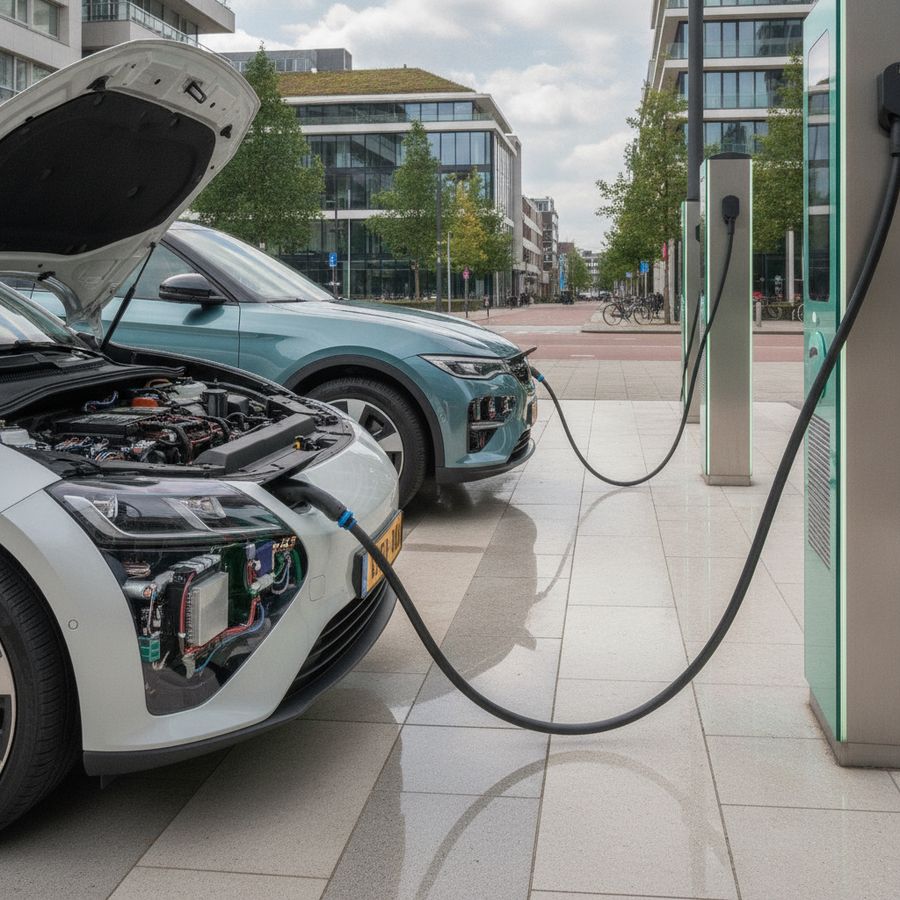
Many drivers assume greener vehicles always cost less to insure, but hybrid car insurance and electric car cover can differ significantly from standard petrol models. While some insurers view lower emissions and modern safety systems positively, repair costs often tell a different story. Advanced batteries, specialist components, and brand-specific repair requirements can increase claim severity.
Electric vehicles are often heavier than comparable fuel cars, which can affect damage patterns in collisions. They may also require approved repair networks and trained technicians, adding labor expense. Hybrids can sit somewhere in the middle: they benefit from partly conventional engineering, yet still include expensive electrical systems that raise repair complexity.
Another important factor is vehicle value. Many electric and hybrid models are relatively new and hold a higher insured value, which can push car insurance premiums upward. On the other hand, some insurers offer attractive terms if the car has strong safety technology or if the owner fits a lower-risk profile.
Eco-friendly driving does not automatically mean lower premiums; specialist repair costs often shape the final price more than fuel type alone.
For anyone exploring hybrid car insurance in the Dutch market, it is wise to compare insurers carefully, because underwriting approaches for battery-powered vehicles can vary more than many drivers expect.
Discount Options Tied to Claims History
One of the most valuable ways to lower car insurance premiums is through a strong no-claims record. In the Netherlands, insurers often reward drivers who avoid claims with a no-claim bonus or ladder discount. The longer you remain claim-free, the larger the discount can become, which is why a good claims history discount can make such a meaningful difference over several years.
Not every claim impacts your premium equally. Certain losses might not affect your no-claim status, depending on factors like fault, recovery from another party, or your insurer’s policies. Typically, an at-fault claim is more likely to lower your discount and raise your rate for the following year. This is why some drivers opt to cover minor damages out of pocket rather than file a claim. For more information on how claims can affect your insurance, visit Dutch Car Insurance.
Before making that decision, review the long-term impact carefully. A minor reimbursement today could trigger a higher premium for years.
Ask how no-claim years are recorded and transferred
Check whether protected no-claim options are available
Confirm how partial fault claims are treated
Compare premium increases after a claim, not just before one
A well-managed claims record remains one of the strongest pricing advantages in Netherlands car insurance, especially for drivers who want lasting savings rather than only a short-term discount.
A Practical Checklist Before Comparing Policies
Before you compare quotes, gather the details insurers use most. This makes results more accurate and helps you judge policies on value rather than just price. For Netherlands car insurance, that means confirming the vehicle registration data, build year, fuel type, estimated annual mileage, storage location, and driver information before starting any comparison.
Next, decide what level of protection you actually need. A cheap quote can become expensive if exclusions, deductibles, or limited benefits leave you underinsured. Look closely at optional extras such as legal assistance, roadside help, passenger accident cover, and replacement value protection for newer cars.
Use this checklist before making a final decision:
Verify mileage, claims history, and no-claim years
Choose the right cover level for the car’s value
Compare excess amounts and repair network conditions
Review add-ons only if they fit your driving habits
Check how claims are handled and what support is offered
The best policy is not simply the cheapest one — it is the one that matches your risk profile, budget, and expectations at claim time.
Because insurance pricing factors vary so much between insurers, independent comparison is often the smartest route. A tailored review can reveal where you can save without sacrificing the cover that matters most.
FAQs
What factors affect car insurance premiums most in the Netherlands?
The biggest factors are usually age, driving experience, postcode, vehicle value, annual mileage, claims history, intended vehicle use, where the car is parked, and the level of cover you choose. Insurers price the overall risk profile, not just the car itself.
Why do young drivers usually pay more for car insurance?
Young and newly licensed drivers often pay more because insurers generally view them as having a higher likelihood of making a claim. Limited driving history and fewer no-claim years can also raise the premium.
Does lower annual mileage always mean cheaper car insurance?
Not always. Lower mileage can help because you are exposed to risk less often, but the final premium still depends on other factors such as vehicle value, theft risk, driver profile, postcode, and coverage level.
How do WA, WA limited casco, and all-risk coverage change the premium?
WA is usually the cheapest because it only covers damage you cause to others. WA limited casco adds protection for events like theft, fire, or storm, while all-risk is usually the most expensive because it also covers damage to your own car after an accident, even if you caused it.
Can a no-claims record significantly reduce car insurance premiums?
Yes. In the Netherlands, insurers often reward claim-free years with a no-claim discount, which can reduce premiums over time. At-fault claims may reduce that discount and increase future premiums, so drivers should consider the long-term effect before claiming for small losses.


Reacties
Een reactie posten