Chalet Insurance in the Netherlands: 7 Cover Choices
Which Chalet Structures Count as Buildings
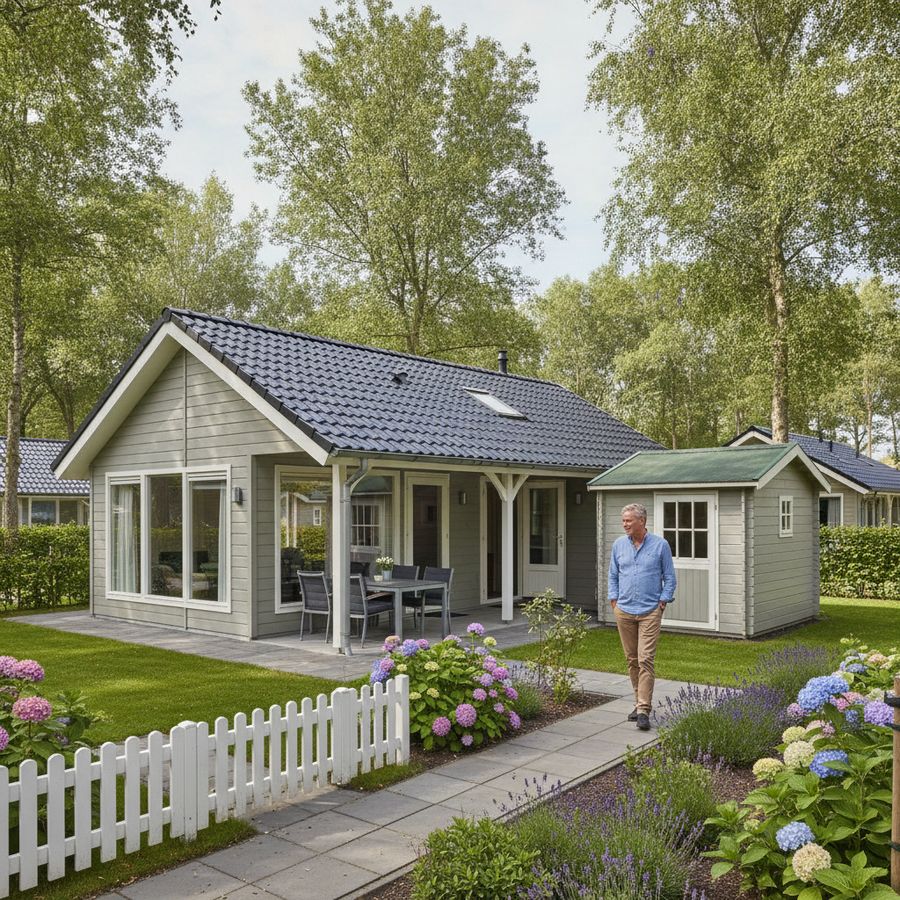
When comparing chalet insurance in the Netherlands, one of the first questions is what an insurer treats as the building itself. In most policies, the insured structure is not limited to the main chalet shell. It usually includes the fixed parts that are permanently attached and would stay behind if the chalet were sold.
That often means walls, the roof, fitted kitchens, bathrooms, pipes, wiring, built-in flooring, and fixed windows and doors fall under buildings insurance. Depending on the wording, detached items on the same plot such as a shed, fence, veranda, decking, or small outbuilding may also count as insured structures. The homepage material also supports this broader approach, mentioning house, shed, fencing, floors, pipes, roof tiles, sanitary fittings, and frames.
As a rule, if removing it would damage the chalet or require tools, insurers are more likely to class it as part of the building.
Portable furniture, loose appliances, and personal belongings are normally treated as contents instead. Before you buy chalet insurance, check whether annexes and exterior fixtures are included automatically or need to be named separately. That small detail can make a major difference at claim time.
Fire, Theft and Water Damage Cover Explained
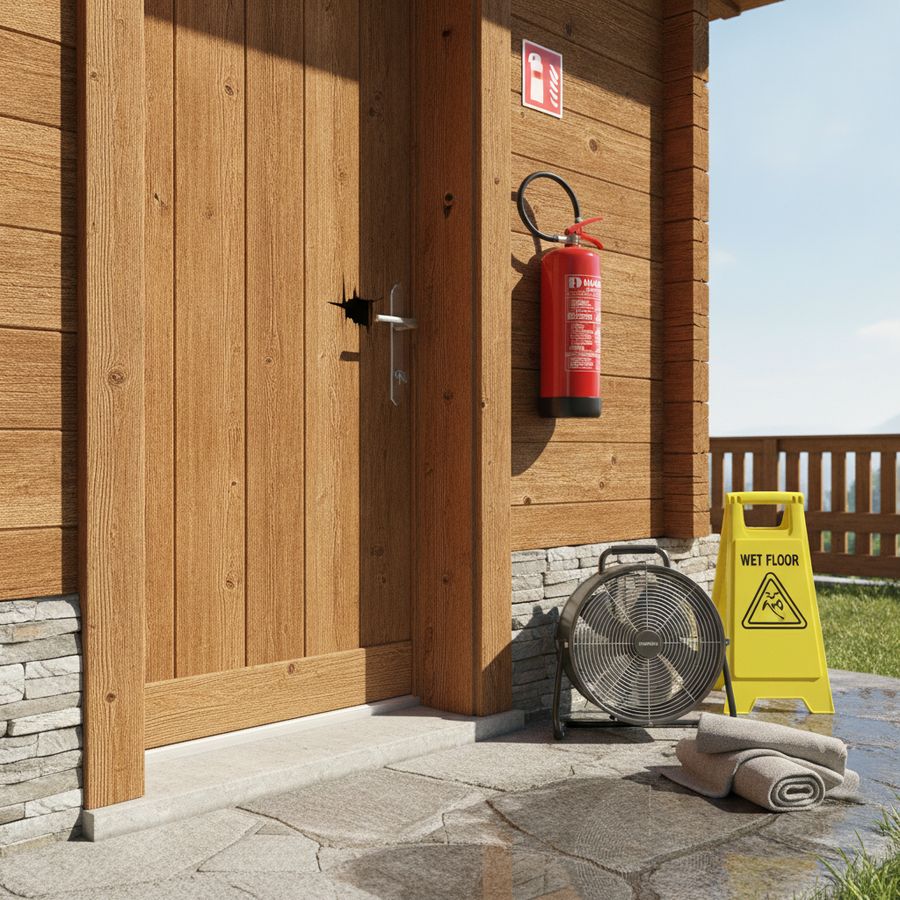
A solid chalet insurance Netherlands policy is designed to protect against the losses owners worry about most: fire, theft, and water damage. Fire cover generally extends beyond flames alone. It may also include smoke damage, soot, scorching, and damage caused while putting out the fire. For a timber or semi-timber chalet, that protection is especially important because repair costs can rise quickly.
Theft cover usually applies to damage caused by burglary or attempted break-in, such as broken doors, smashed glazing, or forced locks. Whether stolen built-in items are covered depends on the policy wording and security requirements. Seasonal properties can face stricter conditions, so always check alarm, lock, and occupancy clauses.
Water damage is more nuanced. Insurers often cover sudden and unexpected escape of water from pipes, installations, or appliances, but they may not cover gradual seepage, poor maintenance, or damp problems that developed over time.
Usually covered: sudden fire, storm-related water ingress after damage, burst pipe incidents
Often limited: unattended leaks, rot, mold, and wear-related moisture
Because cover varies so much, owners should read the policy schedule carefully rather than assuming all water-related damage is included.
When Liability Cover Is Worth Adding
Not every owner needs liability insurance as part of a chalet policy, but in many situations it is a smart addition. This cover can help if someone is injured or their property is damaged and you are legally responsible. Think of a guest tripping on a loose step, a roof tile falling during strong wind, or a damaged fence causing loss to a neighboring plot.
Liability risks increase if the chalet is used frequently, shared with family, or made available to paying guests. In those cases, relying only on a standard personal liability insurance policy may leave gaps, especially if the chalet is a second home, recreation property, or partly rented out. The insurer will want to know how the property is used, how often it stands empty, and whether visitors stay overnight.
Liability cover becomes more valuable the moment other people regularly use your chalet and you retain responsibility for the property condition.
Adding this protection is often worth considering when you want a broader safety net. It can complement buildings insurance by covering third-party claims rather than damage to the chalet itself. For owners who prize peace of mind, that extra layer can be just as important as fire or theft cover.
Mortgage Rules for Insuring a Chalet
If you finance a chalet with a mortgage, lenders in the Netherlands often require insurance on the structure. This is because the chalet acts as security for the loan, and the lender wants reassurance that serious damage will not wipe out the property value overnight. The source material explicitly notes that when you want a mortgage for a chalet, it is often mandatory to arrange an opstalverzekering, which aligns with standard market practice.
In practical terms, that usually means you must have chalet insurance or an equivalent buildings policy in force from completion onward. The cover amount should reflect the replacement value, not simply the purchase price or land value. Lenders may also request proof that the insurer is aware the building is a holiday home, recreation dwelling, or seasonal property.
Some mortgage providers apply extra rules if the chalet is rented out, located on leased land, or used only part of the year. That is why owners should confirm the following before signing:
whether buildings cover is compulsory
the minimum insured amount required
whether rental or vacancy must be disclosed
if the lender needs to be noted on the policy
Even when not contractually required, insuring a mortgaged chalet is usually the financially responsible choice.
How Insurers Calculate Chalet Replacement Value
One of the most important numbers in chalet insurance Netherlands is the replacement value. This is the estimated cost to rebuild the chalet after a total loss, including materials, labor, debris removal, and sometimes architect or permit costs. It is not the same as market value, which can rise or fall because of location, land rights, or demand in the holiday property market.
Insurers typically calculate this amount using factors such as the chalet’s size, construction type, roof materials, fixtures, finish level, annexes, and postcode risk. A compact standard chalet may be cheaper to rebuild than a luxury model with custom cladding, a large veranda, and high-end fitted interiors. Seasonal accessibility can also affect rebuilding logistics and price.
If the insured amount is too low, you may face underinsurance and receive only part of the claim settlement. If it is too high, you could pay more premium than necessary. That is why accurate declarations matter.
The best insured value is based on realistic rebuilding cost, not what you originally paid or hope to sell for later.
Ask whether the insurer uses a valuation tool, accepts an expert appraisal, or applies indexation each year to keep the amount current.
Common Exclusions for Rented or Seasonal Use
Owners are often surprised to learn that the broadest-looking chalet insurance can still contain important exclusions. These exclusions become especially relevant when the chalet is rented to guests or left unoccupied for long periods. Insurers see both situations as higher risk because problems may go unnoticed and wear may be harder to separate from sudden damage.
Typical restrictions include reduced cover during long vacancy, stricter theft conditions, and exclusions for damage caused by poor maintenance. If the chalet is used as a seasonal or recreational property, insurers may also set limits around frozen pipes, storm preparation, and burglary where there are no signs of forced entry. Rental use can trigger further exclusions if you did not declare it in advance.
Undeclared holiday letting or subletting
Gradual deterioration, mold, rot, or vermin damage
Damage arising during long unoccupied periods
Theft without approved locks or visible forced entry
Commercial or year-round residential use beyond policy terms
The key lesson is simple: disclose exactly how the chalet is used. A policy built for owner-only recreation use may not respond properly once guests or tenants are involved. Clear disclosure helps protect both the property and your claim position.
Checklist Before You Request a Quote
Before asking for a chalet insurance Netherlands quote, gather the details insurers need to price the risk correctly. This saves time, improves accuracy, and lowers the chance of buying cover that does not match the property. A quick comparison based only on price can be misleading if one policy includes rental use, liability insurance, or broader water damage cover and another does not.
Start with the essentials: the construction year, size, address, building materials, roof type, and whether the chalet sits on owned or leased land. Next, confirm the property's usage. Is it primarily owner-occupied for holidays, occasionally vacant, or rented out to guests? Additionally, be aware of the desired replacement value and whether any detached structures like sheds, fences, or verandas should be included.List all fixed structures to be insured under buildings insurance
Estimate or verify the rebuild cost
State whether the chalet is seasonal, rented, or left vacant
Check existing security measures and lock types
Ask about fire, theft, water, and liability insurance options
Review excesses, exclusions, and claim conditions
A well-prepared quote request leads to a more reliable policy and fewer surprises later.


Reacties
Een reactie posten