Classic Car Insurance: Value, Use, and Premiums
Why Classic Vehicles Need Specialist Valuation
Classic car insurance starts with an accurate understanding of what the vehicle is really worth. Unlike a modern car, a classic model cannot usually be valued by age, mileage, and standard market depreciation alone. Rarity, originality, documented history, matching numbers, restoration quality, and collector demand all play a major role in proper vehicle valuation.
A specialist valuation helps avoid one of the biggest risks in classic ownership: being underinsured. If a loss occurs and the insurer only uses a generic market guide, the payout may fall far short of the amount needed to replace a similar vehicle. That is why many owners seek an appraisal that reflects current enthusiast and auction markets rather than ordinary used-car pricing.
A classic vehicle may be old, but its insured value can be rising instead of falling
For owners, specialist valuation also creates confidence when arranging an agreed value policy. It gives insurers clearer evidence, supports fair premiums, and establishes a stronger starting point if a claim ever needs to be settled.
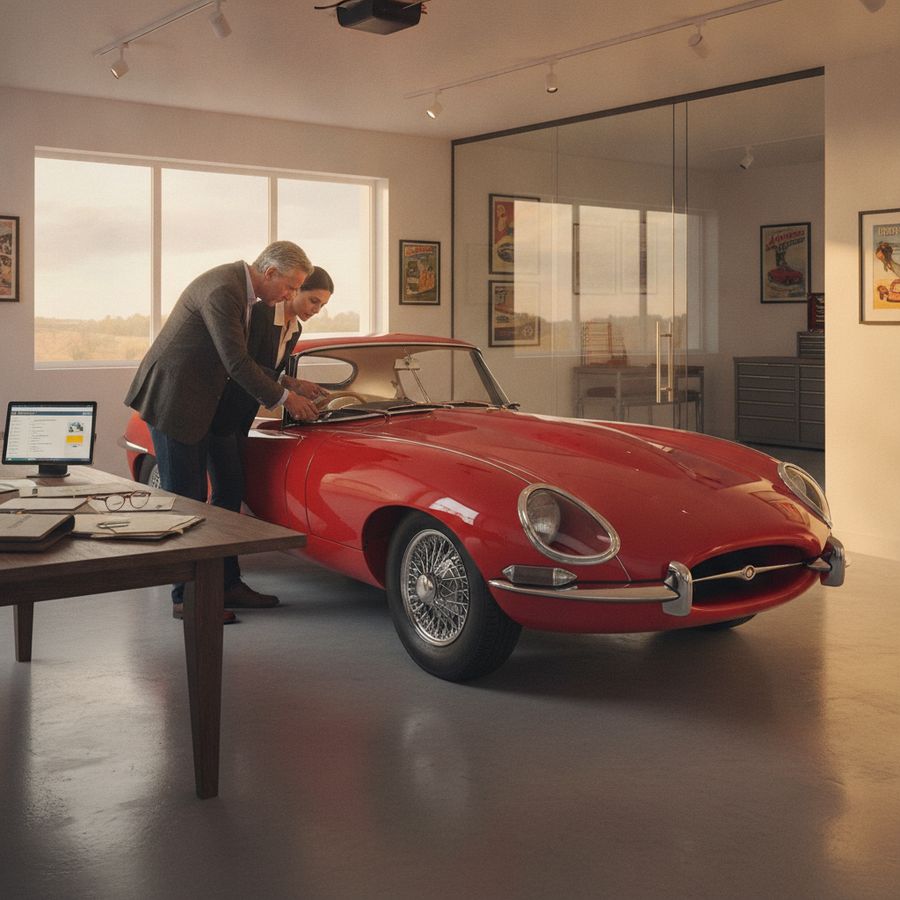
How Does Classic Cover Differ From Standard?
Standard motor insurance is built around everyday transport. It assumes regular commuting, ordinary depreciation, and a straightforward replacement cost. Classic car insurance, by contrast, is designed for vehicles used more carefully, stored more securely, and valued more individually.
One major difference is the use of agreed value. With standard cover, insurers often settle a total loss using the car’s market value at the time of the claim. For a classic, that can create uncertainty because prices vary widely based on condition and provenance. Agreed value aims to remove that uncertainty by setting a value in advance, subject to evidence and policy terms.
Classic policies may also include special considerations such as:
Mileage limits for low annual use
Storage requirements such as locked garages
Cover that reflects club events or seasonal driving
More flexible treatment of restored or collector vehicles
In many cases, the lower-risk ownership pattern can even help reduce the classic car premium, provided the policy details accurately reflect how the vehicle is actually used.
What Factors Affect Classic Car Premiums?
Several elements shape a classic car premium, and they go well beyond the car’s age. Insurers look at the vehicle itself, the owner’s profile, how often it is driven, where it is kept, and how easy it would be to repair or replace after a loss. A rare imported model with expensive parts will usually be assessed differently from a widely supported British or European classic.
Your driving history matters too. A clean licence, limited claims record, and experience with enthusiast vehicles can all support more favourable pricing. Insurers may also consider whether the car is used only for pleasure, whether another everyday vehicle is available, and whether younger drivers have access to the keys.
The more clearly an owner can show low-risk, low-use, well-protected ownership, the easier it is to justify a sharper premium
Security measures are another pricing factor. Alarm systems, immobilisers, trackers, and secure overnight parking all help. Ultimately, a strong policy profile combines sensible use, a realistic vehicle valuation, and evidence that the car is being preserved rather than treated like daily transport.
Mileage Limits, Storage, and Agreed Value
Three of the most important terms in classic car insurance are mileage limits, storage conditions, and agreed value. Together, they help insurers define risk and give owners a policy that matches collector-style use. A car driven to a handful of shows each year is a very different exposure from one used for daily errands.
Mileage limits are common because reduced road time often lowers the likelihood of an accident. However, owners should choose a realistic allowance. If your annual use regularly exceeds the declared limit, it could complicate a future claim or force mid-term adjustments.
Storage is equally important. Many insurers expect classics to be kept in a locked garage, private unit, or other secure location when not in use. Better storage reduces theft, vandalism, and weather damage risk, which may support a more competitive classic car premium.
Agreed value then brings these protections together. Once the insurer accepts a supported value, the owner has more certainty that the policy reflects the car’s true collector worth rather than a generic market estimate.
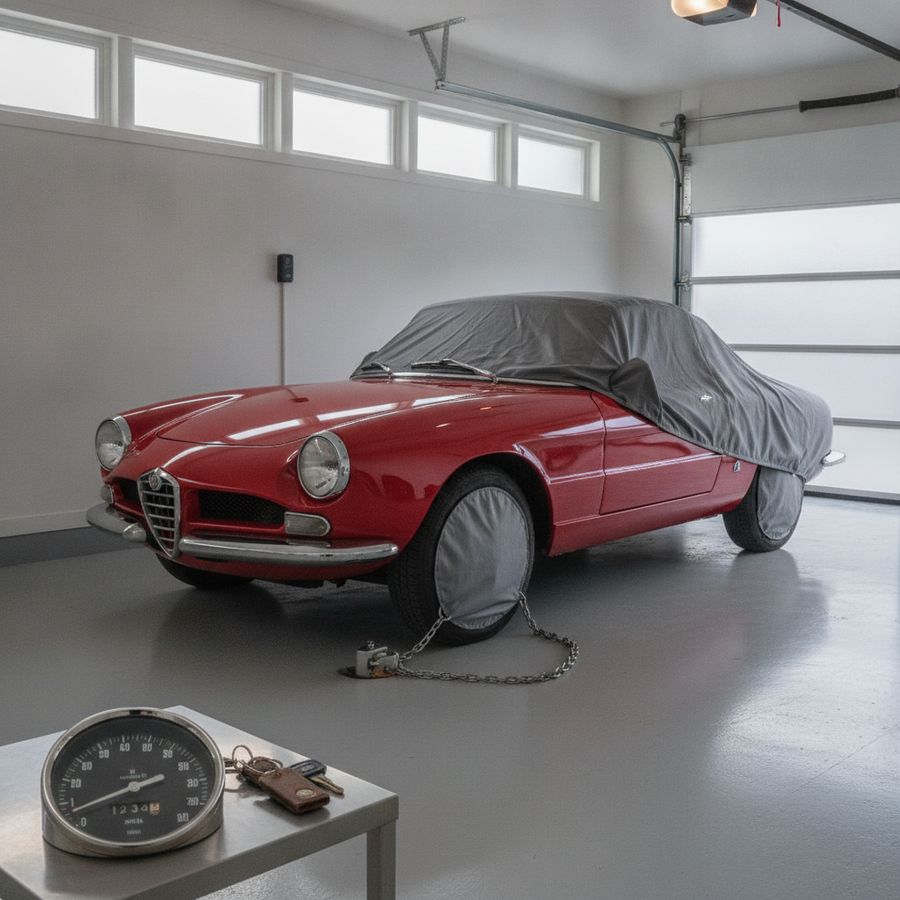
When Restoration Work Changes Insured Value
Restoration can dramatically alter a classic’s insurable worth. A car bought as a project may be worth modestly at first, but bodywork, paint correction, mechanical rebuilding, trim replacement, and sourcing original parts can quickly change the proper vehicle valuation. If the policy is not updated, the owner may end up carrying a much more valuable car than the insurer realises.
This is especially important during phased restorations. A vehicle may move from incomplete project to usable classic and then to show-standard condition over several years. Each step can affect both agreed value and the likely cost of loss or repair. Owners should not wait until renewal if major work has already been completed.
Insurance should follow the restoration journey, not lag behind it
Good practice includes keeping invoices, taking dated photographs, and obtaining a revised specialist appraisal when the work materially improves condition or originality. Updating the insurer promptly helps maintain correct cover and avoids disputes if a theft, fire, or transport damage claim happens after substantial investment has already been made.
Discount Opportunities for Low-use Ownership
Many insurers view classic ownership favourably when the car is clearly a second or hobby vehicle. That creates possible savings for enthusiasts who drive sparingly, maintain the vehicle carefully, and present a low-risk profile. In the right circumstances, low annual usage can help reduce the overall classic car premium.
Discount opportunities often depend on how the car fits into your wider motoring pattern. If you have a separate daily driver, secure storage, limited named drivers, and participation in recognised enthusiast circles, insurers may see the risk as more controlled than with ordinary private car use.
Potential advantages may include:
Lower premiums for restricted annual mileage
Better terms for garaged vehicles
Favourable treatment for experienced older drivers
Possible multi-policy or packaged savings through a specialist broker
That said, the cheapest option is not always the best. Owners should compare discounts against policy depth, claims support, and the quality of the agreed value arrangement. A lower premium only makes sense if the cover still protects the vehicle properly when something goes wrong.
Records That Strengthen a Claim Settlement
When a claim arises, proper documentation can be just as crucial as the vehicle itself. Comprehensive records help establish ownership, condition, maintenance history, and value, which facilitates a fair assessment by your insurer. For classic car insurance, this is particularly important, as no two vehicles are identical, even if they share the same make and model year.
Owners should keep a well-organised file with photographs, service history, restoration invoices, valuation reports, MOT or inspection records where relevant, and evidence of parts purchases. If the car has awards, club features, or specialist workshop reports, those can also support a stronger vehicle valuation position.
Helpful records include:
Dated photos showing condition inside and out
Specialist appraisal for agreed value
Invoices for restoration and rare components
Secure storage or security upgrade receipts
Ownership history and provenance documents
Good records do more than speed up claims. They reduce ambiguity, support policy updates over time, and help ensure the final settlement reflects the real significance and market standing of a cherished classic vehicle.


Reacties
Een reactie posten