Compare Car Insurance in the Netherlands Without Overpaying
Which Details Produce the Fairest Quote
When you compare car insurance in the Dutch market, the fairest result depends on the quality of the information you enter. A rough estimate can be useful for a quick scan, but a truly useful car insurance quote is built on precise details about the vehicle, the driver, and how the car is used. The more accurate your data, the easier it is to make a meaningful premium comparison instead of reacting to a price that may change later.
Insurers in the car insurance Netherlands market usually price policies based on risk factors such as age, postcode, years without claims, annual mileage, vehicle power, fuel type, and whether the car is used privately or for business. Even small differences matter. A hatchback parked on a private driveway may be assessed differently from the same model parked on the street in a busier urban area. Likewise, naming the main driver correctly can influence both eligibility and price.
The fairest quote is not the fastest one — it is the one based on the most honest and complete information
Before requesting quotes, gather the essentials:
Registration and vehicle details
Estimated yearly mileage
Claim-free years
Main driver information
Preferred level of cover
Entering these details carefully helps avoid surprises after application. It also gives you a better foundation to compare insurers independently, especially if you want a policy that fits your real driving profile rather than a generic online estimate.

Why Cheapest Is Not Always Best
It is tempting to choose the lowest monthly premium and move on. However, the cheapest option in a car insurance Netherlands search can become expensive when you actually need to make a claim. A low premium may come with a higher excess, stricter exclusions, slower claims handling, or fewer useful extras. That is why smart drivers do more than compare car insurance on price alone.
Value comes from the balance between cost, cover, and service. For example, two insurers may offer similar prices, but one may include roadside assistance, new-value cover for a recent car, or broader windshield protection. Another may only look cheap because several practical protections are missing. If you later add those extras, the policy may no longer be the bargain it first appeared to be.
Claims service matters too. If an insurer has confusing procedures or limited repair flexibility, the frustration during a stressful event can outweigh a modest saving on your premium. This is especially relevant for drivers who depend on their car for commuting, family logistics, or business appointments.
A low premium feels good on day one; good cover feels better on claim day
A strong premium comparison should therefore include:
Excess amount
Claims reputation and support
Scope of standard cover
Useful optional add-ons
Repair and replacement arrangements
In short, the best policy is often the one that protects your budget over time, not simply the one with the smallest number on the first screen.
Cover Terms That Deserve a Closer Look
Before accepting any car insurance quote, read the cover terms with extra care. Policy wording is where insurers define what is included, what is limited, and what conditions apply when you file a claim. Many drivers compare price and cover type — WA, WA limited casco, or all-risk — but skip the details that can make one policy far more practical than another.
Start with the excess. A lower premium can hide a higher out-of-pocket cost after damage. Then check how personal belongings, glass damage, theft, vandalism, and storm damage are treated. If you own a newer vehicle, it is also worth reviewing replacement rules such as purchase-value or new-value arrangements, because these can affect compensation significantly after a total loss.
Another key point is repair freedom. Some insurers direct customers to approved repair networks, while others offer more choice. That may not matter to every driver, but it can matter a great deal if you already trust a specific garage. Legal assistance, passenger injury cover, and breakdown support also deserve attention, especially for people who want broader day-to-day protection.
Insurance terms are where the real differences live, even when two policies look similar at first glance
When you compare car insurance, pay close attention to:
Compulsory and voluntary excess
Exclusions for theft or negligence
Repair network requirements
Compensation rules after total loss
Optional covers that may be worth adding
Reading these terms carefully helps you choose cover that is clear, realistic, and suitable for your situation rather than just attractively priced.
How Mileage Estimates Change Your Premium
Annual mileage is one of the most underestimated pricing factors when drivers request a car insurance quote. In simple terms, more time on the road usually means more exposure to risk. That is why insurers often use mileage bands when calculating premiums. If you drive 5,000 kilometres a year, your risk profile may look very different from someone covering 20,000 or more.
This matters when you make a premium comparison. A policy that seems competitive at one mileage level may become less attractive at another. Drivers who work from home, mainly use public transport, or only drive locally may benefit from lower mileage declarations. On the other hand, underestimating your usage just to lower the premium is risky. If your declared mileage clearly does not reflect reality, it can create problems when a claim is reviewed.
In the car insurance Netherlands market, mileage estimates are often requested alongside vehicle use, such as private, commuting, or business-related driving. Those details work together. A low-mileage estimate combined with daily long-distance commuting, for example, may raise questions. Accuracy is essential if you want a fair quote that remains reliable after you buy the policy.
Your mileage estimate should be realistic enough to defend if a claim ever needs to be checked
A good approach is to review:
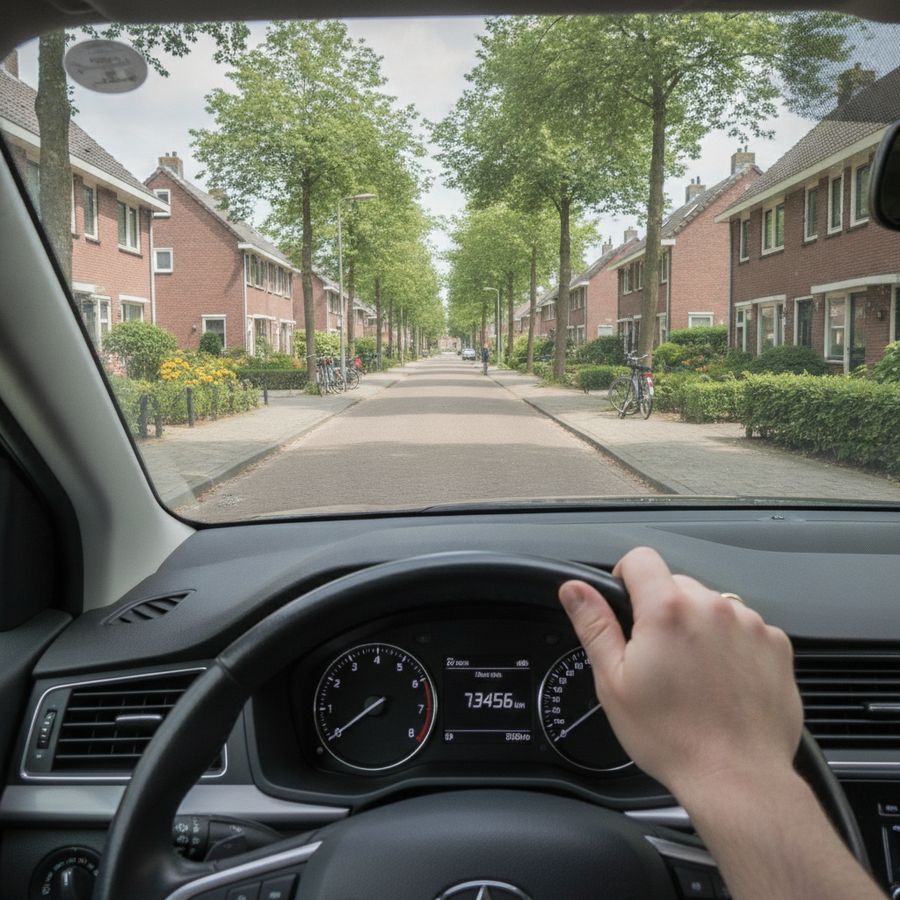
Your current odometer reading
Commute frequency
Weekend and holiday driving
Expected lifestyle changes in the coming year
By giving an honest estimate, you improve the quality of your quote and reduce the chance of unpleasant surprises later.
Best Time of Year to Switch
Many drivers assume there is a perfect season to switch insurer, but timing is usually more personal than seasonal. The best moment is often when your current policy is nearing renewal, when your premium increases noticeably, or when your circumstances change. Buying a different car, moving home, driving fewer kilometres, or building more claim-free years can all justify a fresh look at the market.
That said, reviewing your policy once a year is a smart habit. It gives you a structured opportunity to compare car insurance again and check whether your existing cover still matches your needs. Insurers update pricing, underwriting preferences, and package options regularly, so a policy that was competitive last year may no longer be your best option now.
You should also consider switching when life becomes simpler rather than busier. Comparing policies carefully takes focus, and rushed decisions often lead to poor choices. If your renewal date is approaching, start early enough to read the terms, review your excess, and assess whether optional covers still deserve a place in the policy. This makes the eventual premium comparison far more useful.
The best time to switch is when the numbers, the cover, and your circumstances all point in the same direction
Consider a fresh comparison when:
Your renewal notice arrives
Your car changes in age or value
You move to a different postcode
Your annual mileage falls
Your current insurer raises the premium without a clear benefit
Switching at the right moment can reduce costs, improve cover, and help you avoid staying loyal to a policy that no longer serves you well.
A Short Checklist Before You Sign
Once you think you have found the right policy, pause before you commit. A final review can prevent expensive mistakes and help ensure the policy you choose is genuinely right for your car, your budget, and your everyday life. This is especially important when you compare car insurance across several providers and start seeing similar offers that appear interchangeable.
First, confirm that all personal and vehicle details are correct. Then check that the chosen level of cover aligns with the car’s age and value. An older vehicle may not require all-risk protection, while a newer car might warrant stronger coverage, even if the monthly cost is higher. Don’t forget to review the excess, optional extras, and cancellation terms as well. If you plan to switch insurers, ensure there’s no overlap or gap between your old policy and the new one.
It is also wise to think beyond the first year. Ask whether the premium is likely to remain competitive and whether the insurer’s claims support suits your expectations. The best outcome is not just a cheap policy today, but dependable cover when things go wrong.
Before you sign, make sure you understand not only what you pay, but what you can expect in return
Verify driver, address, and vehicle information
Match the cover level to the car’s value
Review excess and optional add-ons
Check policy start and end dates carefully
Read exclusions and claims conditions one more time
With this short checklist, your final car insurance quote becomes a confident decision rather than a rushed purchase.


Reacties
Een reactie posten