Home Insurance vs Contents Insurance Explained
Why the Two Policies Are Different
Many people use home insurance as a catch-all phrase, but that can blur an important distinction. In most cases, buildings insurance protects the physical structure of a property, while contents insurance protects the belongings kept inside it. Understanding home insurance vs contents insurance matters because the right cover depends on whether you own the building, rent it, or simply want to safeguard your possessions.
The difference starts with what can be removed from the home. If you turned the property upside down, anything that would stay attached, such as walls, the roof, fitted kitchens, or built-in bathroom units, would usually fall under buildings insurance. Items that would drop out, including furniture, laptops, clothing, and televisions, are usually considered contents. That simple rule helps many residents quickly see why the two policies exist separately.
For renters, this distinction is especially important. A landlord is typically responsible for insuring the building itself, while the tenant may need protection for personal items through contents insurance or a form of renters insurance. Homeowners, on the other hand, often combine both types of cover for wider protection.
Buildings insurance protects the property you live in, while contents insurance protects the life you build inside it.
When you understand where one policy ends and the other begins, comparing options becomes far easier. It also helps avoid the common mistake of assuming a single policy automatically covers every risk in the home.
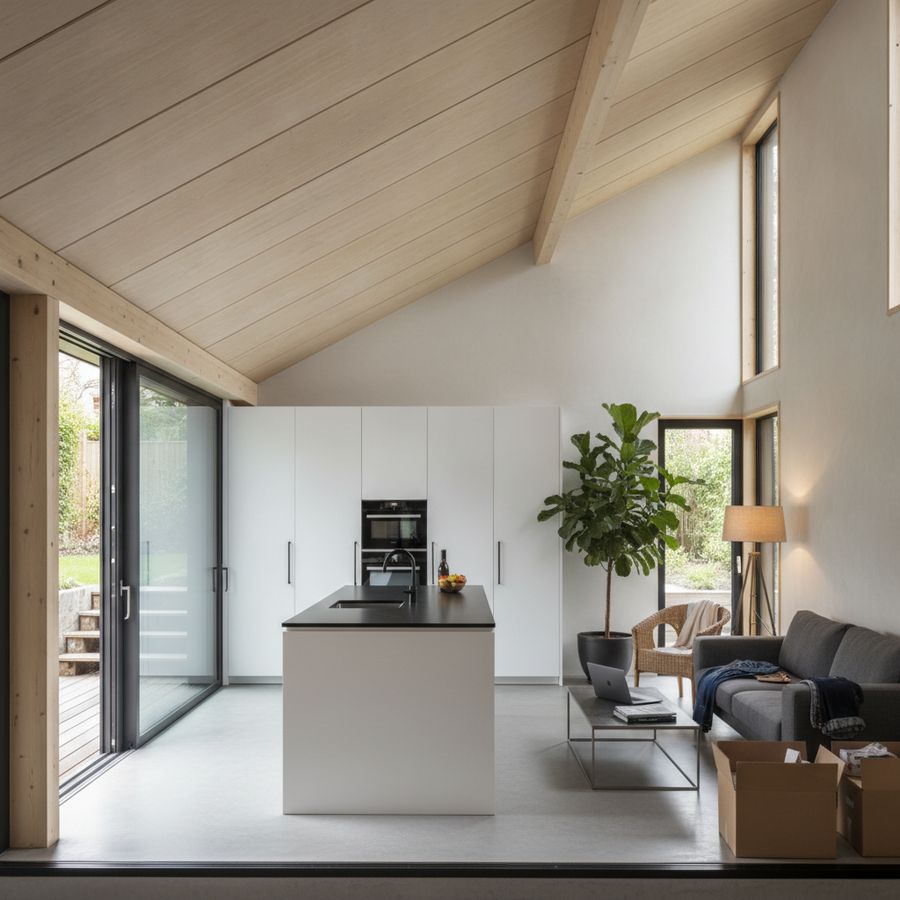
What Buildings Insurance Actually Protects
Buildings insurance is designed to cover the permanent parts of a property. That usually includes the walls, roof, floors, ceilings, windows, and doors, along with fitted features such as kitchens, bathrooms, and sometimes wardrobes attached to the structure. If a major event damages the building itself, this policy can help pay for repair or rebuilding costs, which is why mortgage lenders often require it for homeowners.
Typical insured events may include fire, storm damage, flooding, subsidence, burst pipes, vandalism, and impacts such as a vehicle hitting the property. Coverage varies by provider, so it is important to check exactly what perils are listed and whether accidental damage is included as standard or offered as an optional extra. Some policies may also contribute toward temporary accommodation if the home becomes unsafe to live in after an insured incident.
What buildings insurance does not usually cover is general wear and tear, poor maintenance, or damage caused by neglect. For example, a roof leak caused by long-term deterioration may not be treated the same way as storm damage that suddenly tears off tiles.
Permanent fixtures like baths and sinks
Structural elements such as walls and roofs
Outbuildings, garages, and fences on some policies
Pipes, drains, and cables serving the home in certain cases
For anyone comparing home insurance vs contents insurance, the key point is simple: if it is part of the building itself, it likely belongs under buildings insurance rather than contents cover.
Which Belongings Contents Insurance Covers
Contents insurance focuses on the movable items that make a house or flat feel like home. That includes obvious possessions such as sofas, beds, rugs, dining tables, televisions, and kitchen appliances you own. It also extends to personal belongings like clothing, shoes, books, toys, jewellery, and home office equipment, depending on the policy limits and item categories.
Many policies also cover losses caused by theft, fire, smoke, escape of water, or certain types of accidental damage. However, there are often inner limits for valuables, meaning expensive watches, engagement rings, artwork, or high-end electronics may need to be listed separately. This is one reason people discover too late that not all contents are treated equally under one standard level of cover.
For tenants, this type of protection can be more relevant than buildings insurance. If you rent, the structure generally belongs to the landlord, but your possessions remain your responsibility. That is why many renters look for renters insurance or a contents-based policy that covers belongings in the event of theft, flooding, or accidental loss inside the home.
A landlord may insure the property, but that does not automatically insure a tenant’s laptop, clothes, furniture, or sentimental items.
Some insurers also offer optional extras for belongings taken outside the home, such as bicycles, phones, or laptops. If you regularly carry valuable items, that extension can be just as important as the main home insurance policy itself.
Common Claim Examples in Rented Homes
Rented properties create a lot of confusion when insurance claims arise, mainly because responsibility is split between the landlord and tenant. A common example is a burst pipe that damages the ceiling and walls while also ruining a tenant’s sofa and clothes. In that case, the building damage would usually fall under the landlord’s buildings insurance, while the tenant’s damaged belongings would typically need to be claimed through contents insurance or renters insurance.
Theft is another frequent issue in rented homes. If burglars force entry and steal a tenant’s laptop, bicycle, and jewellery, the tenant generally cannot rely on the landlord’s policy for those personal possessions. The landlord’s insurer might address damage to the doors or windows, but the missing belongings are usually a separate matter entirely.
Accidental damage claims are also common. A tenant might spill paint on a landlord-owned carpet, crack a glass hob, or damage a fitted cupboard door. Whether that is covered depends on the tenancy agreement and the exact policy wording. Some costs may be recovered from a deposit, while others may fall under optional accidental damage cover.
Water leaks damaging both structure and possessions
Theft of personal electronics and jewellery
Fire or smoke damage from kitchen accidents
Accidental damage to landlord-owned fixtures
These examples show why understanding home insurance vs contents insurance is so important in rented homes. Without the right policy, tenants may assume protection exists when, in reality, only the building is insured.

When Homeowners Need Both Policies
Homeowners often need both buildings insurance and contents insurance because owning a property usually means being responsible for both the structure and everything inside it. If a fire damages the roof, walls, and fitted kitchen, buildings insurance is the part that responds. If the same event destroys your sofa, dining set, clothes, and electronics, that is where contents cover becomes essential.
Buying only one type of cover can leave a major gap. A homeowner who insures the building but not the contents could still face a huge out-of-pocket loss after theft, flooding, or smoke damage. On the other hand, someone who only has contents cover may protect their belongings but have no help with rebuilding or repairing the property itself after a major insured event.
Many insurers offer combined home insurance packages that bundle both forms of protection. This can be convenient, easier to manage, and sometimes more cost-effective than arranging separate policies. Still, convenience should not replace careful review. Homeowners should check rebuild value, contents limits, excess amounts, optional accidental damage, and special cover for high-value items.
If you own both the property and the possessions inside it, one policy type rarely gives complete protection on its own.
For most owner-occupiers, the question is not really home insurance vs contents insurance as an either-or choice. It is about combining the right cover so both the building and the lifestyle inside it are protected when something unexpected happens.
Coverage Gaps That Surprise Many Residents
One of the biggest insurance mistakes is assuming a policy covers every event automatically. In reality, many residents discover exclusions only when they make a claim. A common surprise is underinsurance. If your contents limit is too low, the payout may not reflect the true cost of replacing everything after a major fire or flood. The same problem can apply to buildings insurance if the rebuild value is underestimated.
Another gap involves high-value items. Standard contents insurance may cap jewellery, watches, art, or tech at relatively modest amounts unless these items are declared separately. Accidental damage can also be misunderstood. Breaking your own television, spilling wine on a carpet, or dropping a laptop may not be included unless you opted for that extra protection.Policyholders are often surprised by limits around belongings taken outside the home. A phone stolen from a café, a bicycle taken from a station, or a laptop lost while travelling may require additional personal possessions cover. For renters, another misconception is thinking the landlord’s policy acts as full renters insurance. It usually does not.
Wear and tear is usually excluded
Pest damage may not be covered
Unoccupied homes can face restrictions
Single-item value limits may apply
Claims can be reduced if security conditions were not met
The safest approach is to read the policy wording carefully and ask questions before buying. Whether you are comparing home insurance, buildings insurance, or contents insurance, understanding these hidden gaps can prevent expensive surprises later.


Reacties
Een reactie posten