Homeowners Insurance vs Landlord Cover: Key Differences
Different Risks Behind Owner-occupied and Rental Homes
The biggest difference in homeowners vs landlord insurance starts with how the property is used. An owner-occupied home is where the policyholder lives day to day, so the insurer assumes the owner is regularly monitoring the property, handling maintenance, and reducing risks before they become expensive claims. A rental home works differently. Tenants live in the space, routines vary, and the property owner may not spot problems right away.
That change in occupancy creates a different claims profile. Rental properties may face increased exposure to accidental damage, missed maintenance issues, liability disputes, and income disruption after a covered loss. By contrast, homeowners insurance is built around personal residence risks such as damage to the home, personal belongings, and everyday household liability tied to the owner’s direct use of the property.
With rental property insurance, insurers also consider factors like tenant turnover, lease terms, shared access points, and whether the home will ever sit empty between occupants. Even a well-managed rental can carry a different level of uncertainty than a primary residence.
Insurance follows occupancy as much as it follows the building itself
For that reason, choosing the wrong policy type can leave important gaps. A house may look identical from the street, but from an underwriting perspective, a lived-in family home and an income-producing rental are not exposed to the same risks at all.
What Does Homeowners Insurance Typically Include?
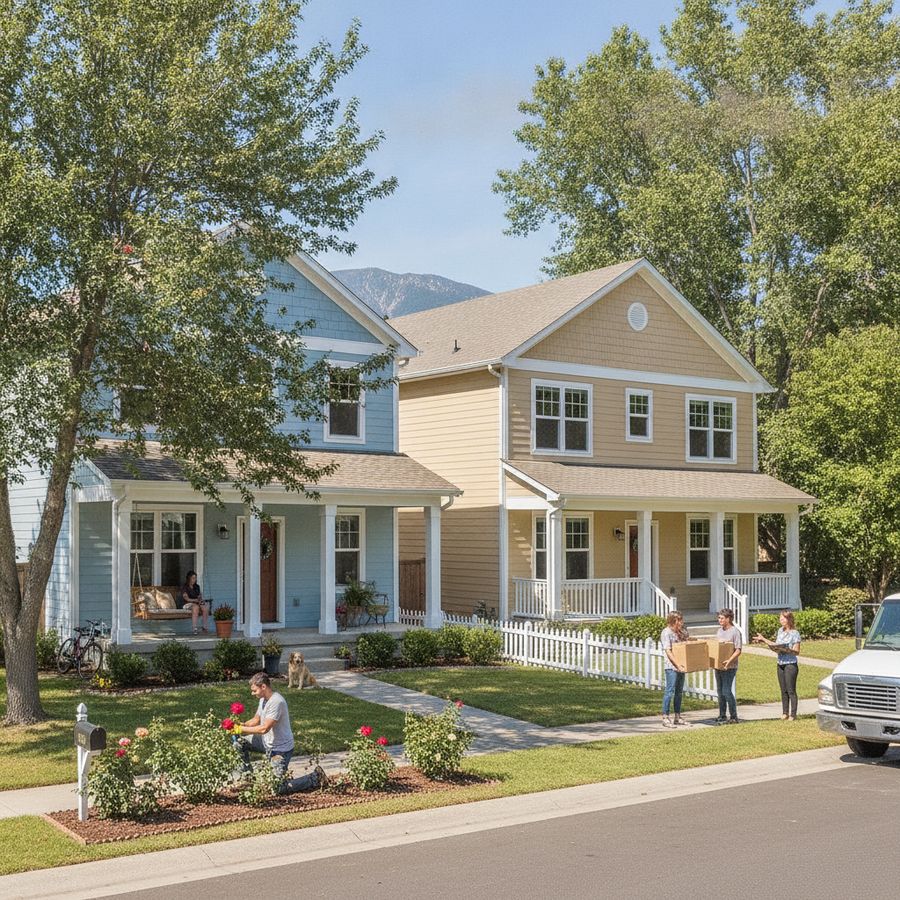
Standard homeowners insurance is generally designed to protect people who live in the home they own. Coverage usually begins with the dwelling itself, helping pay for repairs if the structure is damaged by covered events such as fire, wind, hail, or certain types of water damage. Many policies also include other structures, like detached garages, sheds, or fences.
Another major part of a homeowners policy is coverage for personal property. That can include furniture, clothing, electronics, and household items damaged by a covered loss. If the home becomes temporarily uninhabitable after a claim, many policies also provide additional living expenses to help with hotel stays, meals, or short-term housing while repairs are underway.
Liability protection is also a core feature. If a guest is injured on the property or you accidentally cause damage to someone else’s property, the policy may help with legal costs, settlements, or medical payments, up to policy limits.
Dwelling coverage for the main structure
Coverage for personal belongings
Loss of use or temporary living expenses
Personal liability and medical payments
What this policy usually does not do is function as full landlord cover. Once a home is rented to tenants, the insured risk changes. That is why homeowners policies often become insufficient, restricted, or even invalid if the property is no longer owner-occupied.
How Does Landlord Cover Change Liability Protection?
Landlord cover changes liability protection by focusing less on the owner’s daily household activities and more on the legal responsibilities tied to renting out a property. When tenants, visitors, delivery workers, or contractors use the premises, the owner may still be held responsible for hazards connected to the building’s condition. That could include loose handrails, broken steps, poor lighting, or maintenance issues that contribute to injuries.
Unlike standard homeowners insurance, landlord policies are structured with rental exposures in mind. They may help cover legal defense costs, settlements, or medical expenses when a third party alleges that the property owner failed to maintain a reasonably safe environment. This distinction matters because liability claims can become expensive quickly, especially if an injury leads to lost wages or long-term treatment.
Some forms of rental property insurance may also account for incidents involving common areas, shared entrances, or contractor-related risks during repair work between tenants. The exact scope varies, but the purpose is clear: the policy is built around the owner’s role as a landlord rather than as an occupant.
Owning the property and living in the property create two very different liability exposures
Landlords should also remember that a tenant’s renters insurance does not replace the owner’s liability needs. The tenant may insure their belongings, but the property owner still needs strong liability protection that reflects the realities of leasing a home.
Vacancy Periods Often Affect Policy Terms
Vacancy is one of the most overlooked issues in both homeowners insurance and landlord cover. Insurers often define a home differently once it has been unoccupied for a certain number of days, and that shift can affect what is covered, what is excluded, or whether special conditions apply. A property that is empty between tenants may face increased risks such as vandalism, unnoticed leaks, theft of fixtures, or delayed reporting of damage.
For landlords, this matters because rental homes do not always stay occupied year-round. There may be gaps during renovations, marketing periods, or tenant changes. If the property remains vacant longer than the policy allows, some protections may be reduced unless the insurer is notified and the policy is adjusted.
Even owner-occupied homes can run into this issue during extended travel, relocation, or major repairs. However, vacancy tends to be more frequent and more predictable in rental situations, which is why rental property insurance often addresses the issue more directly than a standard owner-occupied policy.
Vacant homes may face tighter policy conditions
Some losses become harder to claim after long unoccupied periods
Insurers may require notice, inspections, or endorsements
Reviewing vacancy clauses is essential when comparing homeowners vs landlord insurance. A policy can look comprehensive at first glance, but a vacancy-related limitation may create a serious gap just when the property owner expects protection the most.
Why Are Tenant-Caused Damages Treated Differently?
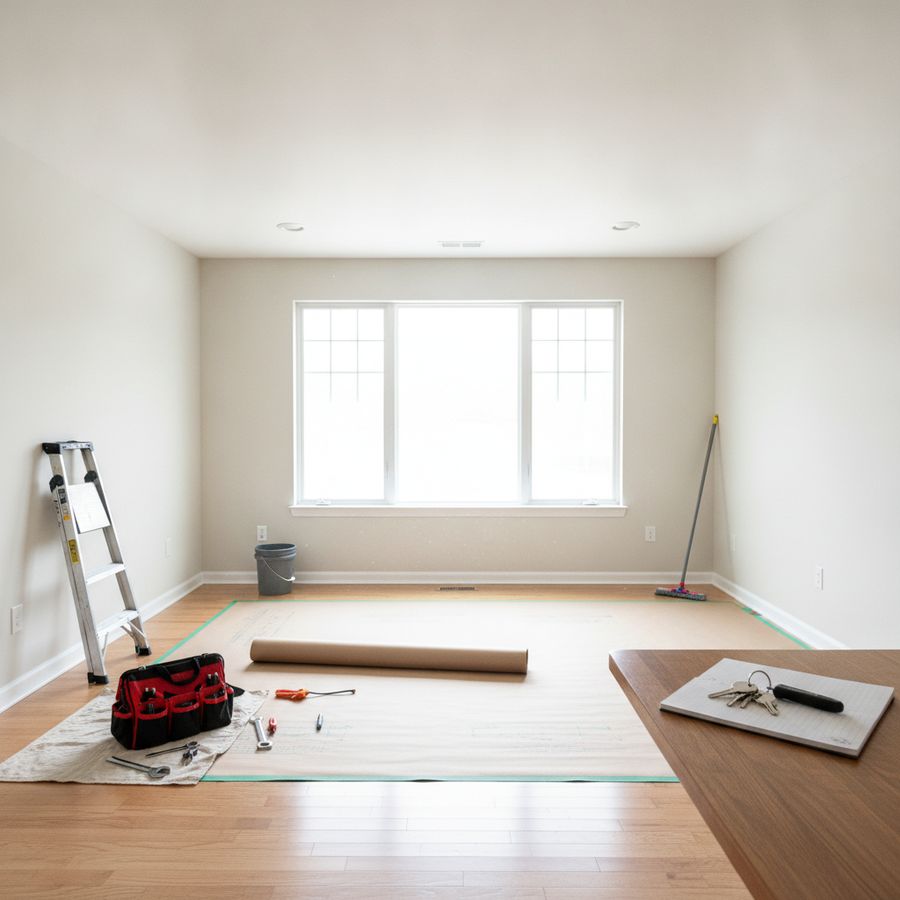
Tenant-caused damage is treated differently because insurance separates accidental covered losses from wear, neglect, and occupant-related behavior. In an owner-occupied home, the insurer is covering the policyholder’s own residence and expects the owner to maintain reasonable control over the property. In a rental, another party is living in the home, and not every problem caused by that occupant qualifies as an insured event.
For example, if a tenant accidentally causes a kitchen fire, a landlord policy may respond because fire is typically a covered peril. But if tenants leave excessive grime, stain carpets, punch holes in walls, or damage doors through careless everyday use, those losses are often seen as maintenance, wear and tear, or intentional damage concerns rather than standard insurable events.
This is one reason landlord cover and lease management go hand in hand. Security deposits, lease clauses, inspections, and tenant screening all help address risks that insurance may only partially cover or not cover at all. Some policies may offer optional protections for malicious or deliberate tenant damage, but those features are not automatic.
Insurance is built for sudden and accidental loss, not every cost of doing business as a landlord
When evaluating rental property insurance, property owners should read the definitions carefully. Understanding how the policy handles accidental tenant damage, malicious acts, and gradual deterioration makes it much easier to avoid assumptions that could lead to denied claims later.
Claim Examples That Reveal Coverage Gaps
Real-world claims often show why choosing between homeowners vs landlord insurance is more than a technical detail. Imagine an owner moves out, rents the home to tenants, but keeps the original homeowners policy in place. Months later, a tenant’s guest slips on a damaged front step and sues. The insurer may question whether the policy still fits the actual use of the property, creating delays, reduced coverage, or a denial.
In another scenario, a pipe bursts in a vacant rental between leases. Because the home sat empty longer than the policy allowed, the owner learns too late that vacancy terms changed the claim outcome. A third example is tenant-related damage: smoke from an accidental cooking fire may be covered, while torn blinds, broken cabinets, and neglected cleaning likely are not.
Coverage gaps also appear when owners assume their policy will replace lost rent after a major covered loss. Some landlord cover options may include rental income protection, but a basic homeowners insurance policy is generally built around the owner’s temporary living costs instead.
Incorrect occupancy classification can undermine claims
Vacancy limitations may reduce payouts
Loss of rent is not the same as loss of use
Tenant damage is often narrower than owners expect
The lesson is clear: aligning the policy with the property’s actual use is crucial. Choosing the right structure for liability protection, building damage, and income loss can mean the difference between a manageable setback and an unexpected financial burden.
FAQs
What is the main difference between homeowners insurance and landlord insurance?
The main difference is occupancy and use. Homeowners insurance is built for a primary residence that the owner lives in, while landlord insurance is designed for rental properties where tenants occupy the home and the owner faces different liability, maintenance, and vacancy risks.
Can I keep a homeowners policy after renting out my house?
Often, no. Once a home is no longer owner-occupied, a standard homeowners policy may become limited, inappropriate, or invalid for the actual risk. Property owners should notify the insurer and confirm whether landlord coverage is required.
Does landlord insurance cover tenant damage?
It may cover some sudden and accidental damage, such as a fire caused by a tenant, if the event is a covered peril. However, wear and tear, neglect, excessive dirt, and many forms of everyday tenant-caused damage are often excluded unless optional protection is added.
Why do vacancy periods matter so much in landlord insurance?
Vacancy can change policy terms because empty homes often face higher risks like vandalism, unnoticed leaks, and delayed discovery of damage. If a property stays unoccupied beyond the policy's allowed period, coverage may be reduced unless the insurer is notified or an endorsement is added.
Does landlord insurance include lost rental income?
Some landlord policies may include or offer coverage for lost rental income after a covered loss, but not all do. This is different from homeowners insurance, which typically focuses on additional living expenses for the owner rather than rent replacement.


Reacties
Een reactie posten