Landlord Insurance Versus Home Insurance in Practice
Why Rental Use Changes Standard Policy Protection
A property stops being treated like an owner-occupied home the moment it becomes a rental property. That shift matters because most home insurance policies are built around the assumption that the owner lives there, maintains daily oversight, and controls who comes and goes. Once tenants move in, the insurer sees a different risk profile: more wear and tear, less direct supervision, and a greater chance that damage or liability issues develop before the owner notices them.
In practice, this is where coverage gaps often appear. A standard homeowners policy may not respond fully if a claim arises from tenant activity, extended vacancy between lets, or damage linked to rental use rather than personal occupancy. Even if the structure itself is insured, the policy wording can restrict payouts when the home is being used to generate income.
Rental use changes both the probability of a claim and the way an insurer evaluates responsibility
That is why landlord insurance exists. It is designed for tenant risks that are common in letting arrangements, helping owners align insurance protection with the actual use of the building instead of relying on assumptions meant for a primary residence.
How Does Landlord Insurance Differ From Home Insurance?
The biggest difference between landlord insurance and home insurance is intent. Homeowners cover is designed to protect a place where the policyholder lives. Landlord cover is designed for a property occupied by tenants, where the owner has a financial interest but is not usually present day to day. That changes how buildings, contents, liability, and income-related risks are handled.
For example, landlord policies often focus on the building itself, fixtures, and any furnishings supplied by the owner. They may also include options for loss of rent, property owners' liability, malicious or accidental tenant damage, and legal expenses linked to tenancy disputes. By contrast, a standard home policy may place more emphasis on the homeowner's belongings, personal liability, and living arrangements tied to owner occupation.
Home insurance: suited to owner-occupied living
Landlord insurance: suited to tenant occupation and rental income exposure
Optional extras can address furnished lets, vacant periods, and rent protection needs
In practice, the right choice depends on who lives there, how the property is used, and what financial risks the owner needs to absorb if something goes wrong.
Which Claims Are Most Common for Landlords?
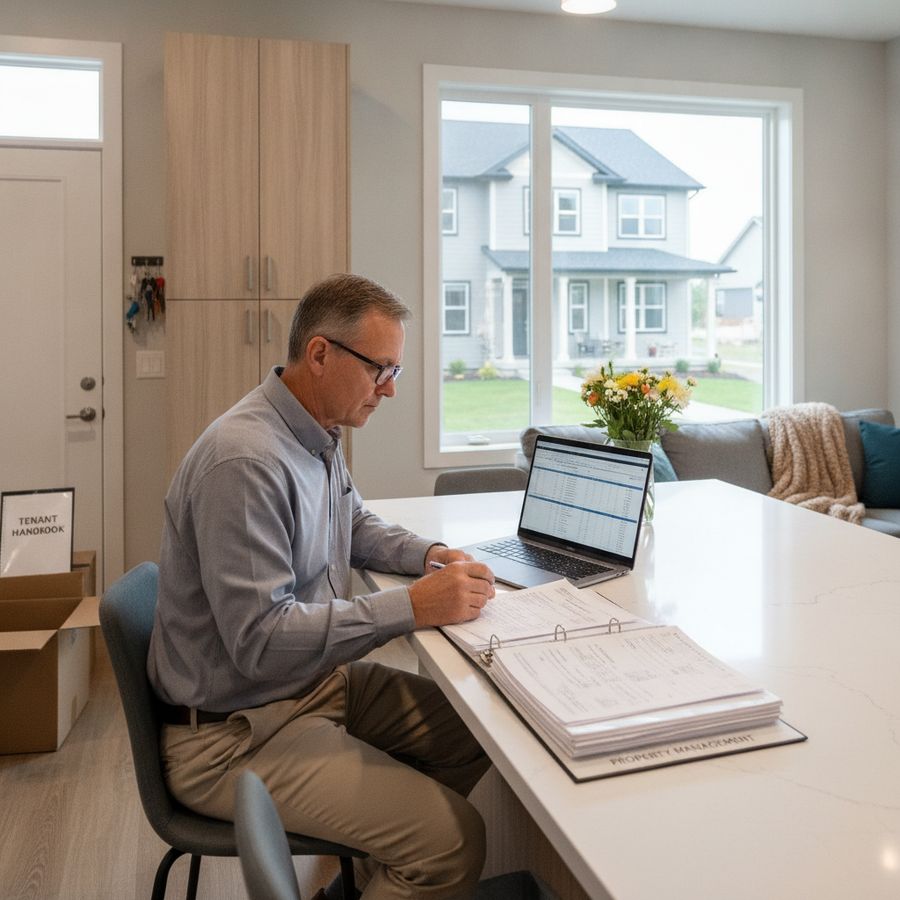
Claims patterns for landlords tend to reflect the realities of renting out a home. Building damage is one of the most frequent issues, especially from escape of water, storms, fire, and accidental damage. A small leak under a sink can become a major repair bill if it is not spotted quickly, and that delay is more likely in a tenanted property than in an owner-occupied home.
Another common area is liability. If a tenant, contractor, or visitor is injured because of a defect in the property, the landlord may face legal and compensation costs. Slippery paths, loose handrails, broken steps, and unresolved maintenance faults can all become expensive problems.
Landlords also report claims connected to tenant risks, including malicious damage, theft of landlord-owned contents in furnished homes, and disputes that interrupt occupancy. Some policies can help with associated costs, while others require specific add-ons.
Many landlord claims begin with ordinary maintenance issues that escalate because the property is occupied by someone other than the owner
Understanding these common claim types helps owners choose cover that matches actual exposure rather than relying on the narrower protection of standard home insurance.
Liability, Loss of Rent, and Building Damage
Three of the most important protections in landlord insurance are liability cover, loss of rent, and building damage insurance. Together, they address the core financial pressures a landlord faces when a serious incident affects the property. If a pipe bursts, a fire breaks out, or storm damage makes the home uninhabitable, repair costs are only part of the problem. Rental income may stop at the same time.
Liability cover can protect the owner if a tenant or visitor alleges injury or property loss caused by a defect or failure to maintain the premises. Building damage cover helps repair or rebuild insured structures after events such as fire, flood, subsidence, or escape of water, depending on policy terms. Loss of rent cover may reimburse missed income when insured damage prevents the property from being occupied.
Liability addresses third-party injury or damage claims
Building cover focuses on the structure and permanent fixtures
Loss of rent supports cash flow during insured interruptions
For many owners, these three features form the practical difference between basic protection and a policy that truly supports a working rental property.

When Multiple Tenants Increase Underwriting Scrutiny
Insurers usually take a closer look when a property is occupied by multiple unrelated tenants. From an underwriting perspective, more occupants can mean more keys, more shared spaces, more wear on kitchens and bathrooms, and a higher chance of accidental damage or disputes over responsibility. This does not make the property uninsurable, but it often means the insurer wants clearer details before offering terms.
Houses with several tenants may raise questions about room use, tenancy agreements, safety measures, and maintenance controls. Underwriters may ask whether the property is let to a single family, a couple, a student group, or working professionals, because occupancy type can influence perceived tenant risks. They may also review locks, fire precautions, and whether communal areas are inspected regularly.
More tenants usually means more complexity, and insurers price complexity carefully
For landlords, the key is accuracy. If occupancy changes from one tenant to several, or from a family let to a shared arrangement, the insurer should be told promptly. The right landlord insurance policy can still provide strong protection, but only if the underwriting reflects how the property is actually being used.
Renewal Checkpoints for Keeping Coverage Aligned
Insurance renewal is the ideal time to test whether cover still matches the way the property operates. Many landlords simply roll over last year's policy, but even small changes can affect suitability. Rent level, occupancy type, refurbishment work, vacancy periods, and the value of landlord-owned contents can all alter the protection needed for a rental property.
A practical renewal review should revisit the sum insured for the building, any policy limits for furnishings or outbuildings, and whether cover for loss of rent remains adequate. It is also worth checking excess levels, escape-of-water conditions, and exclusions related to unoccupancy or maintenance. If the property was once covered under home insurance and later switched to landlord cover, renewal is a good point to confirm there are no leftover assumptions from owner occupation.
Confirm who lives in the property and under what tenancy setup
Review rebuild cost rather than market value alone
Check optional extras for legal expenses or accidental damage
Update the insurer on any claims, renovations, or long void periods
Regular renewal checkpoints ensure that your landlord insurance remains accurate, responsive, and aligned with current risks rather than relying on outdated paperwork.
FAQs
Why is standard home insurance often unsuitable for a rental property?
Standard home insurance is usually written for owner-occupied homes where the policyholder lives at the property. Once tenants move in, the risk profile changes, and cover may be restricted for tenant-related damage, periods of vacancy, or claims connected to rental use.
What does landlord insurance typically cover that home insurance may not?
Landlord insurance commonly focuses on the building, landlord-owned fixtures or furnishings, property owners' liability, and optional cover such as loss of rent, legal expenses, or tenant damage. Home insurance usually places more emphasis on personal belongings and owner occupation.
What are the most common landlord insurance claims?
Common claims include building damage from escape of water, storms, fire, and accidental damage. Liability claims and issues involving tenant damage or theft of landlord-owned contents can also be significant depending on the policy.
How does having multiple tenants affect landlord insurance?
Multiple unrelated tenants can increase underwriting scrutiny because insurers may see higher complexity, more shared spaces, and greater wear and tear. Insurers often want accurate details about occupancy type, safety measures, and tenancy arrangements before offering terms.
What should landlords review at renewal time?
Landlords should check rebuild cost, occupancy details, landlord-owned contents values, loss of rent limits, excesses, and any exclusions tied to vacancy or maintenance. Renewal is also the right time to tell the insurer about renovations, claims, or changes in tenancy setup.


Reacties
Een reactie posten