Room Rental Insurance Clauses Landlords Should Review
Room Rental Changes Standard Building Insurance Assumptions
When a property shifts from owner-occupied or single-household use to room rental, the insurer’s baseline assumptions change immediately. A standard building insurance policy often assumes one household, predictable use of shared areas, and lower day-to-day wear. Once separate rooms are let to multiple occupants, the risk profile can look very different, even if the building itself has not changed.
From an underwriting perspective, room rental can mean more keys in circulation, more frequent use of kitchens and bathrooms, and a greater chance of accidental damage, water escape, or fire-related incidents. It can also create uncertainty about who is responsible when damage starts in a shared area. That is why landlords should read the wording carefully and confirm that the policy is designed for rented residential real estate rather than a standard homeowner arrangement.
Room-by-room letting is not simply a rental detail; it can alter how an insurer classifies the entire property.
Landlords comparing landlord insurance options should check whether the policy specifically accepts room rental, multi-occupancy layouts, and shared facilities. If the clause is vague, ask for written confirmation. Clear policy wording at the start is far better than discovering after a claim that the insurer treated the property as a different risk altogether.
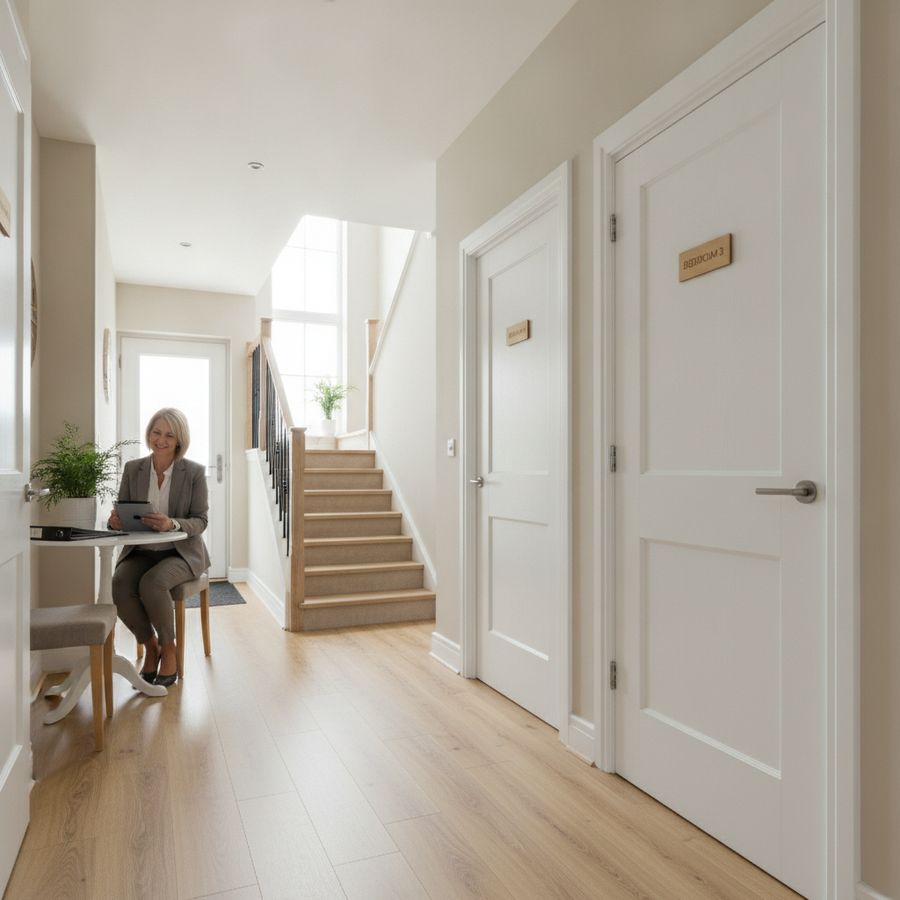
Which Exclusions Are Common in Room Rental Policies?
The most important clauses to review in room rental insurance are often the exclusions. Many landlords focus on the headline cover for fire, storm, or water damage, but the exclusions define when a claim can be reduced or refused. In room rental properties, insurers may exclude losses linked to poor maintenance, long-term leaks, unapproved alterations, illegal use, or occupancy that falls outside the accepted tenant profile.
Another common issue involves damage in communal spaces. If the insurer believes wear and tear, gradual deterioration, or repeated minor incidents caused the loss, the claim may not fall under insured damage. Theft can also be restricted where there is no visible sign of forced entry, especially in houses with multiple tenants and shared access points.
Damage caused by neglected repairs or damp
Claims arising from undeclared subletting or overcrowding
Losses during vacancy beyond the permitted period
Malicious damage where tenant type is outside policy terms
Policy exclusions should be reviewed alongside endorsements and special conditions, not just the summary page. A cheap premium may reflect narrow acceptance rather than better value. Landlords should also check whether contents in shared areas, glass, and liability-related incidents are insured separately or left out entirely.
How Does Room Rental Differ From Regular Home Cover?
Regular home cover is built for private residential living, while landlord insurance for room rental is structured around commercial-style risk. That difference matters because insurers assess both the building and the occupancy model. A home policy may assume the policyholder lives at the address, controls access closely, and uses the property for normal family life rather than income-producing accommodation.
With room rental, the insurer may expect higher turnover, more intensive use of fixtures, and a more complex claims trail if several tenants are involved. Responsibility for damaged items can also be harder to separate. For example, a burst pipe affecting three occupied rooms and a shared hallway is not handled in the same way as a minor incident in a standard family home.
Landlords should never assume that a home policy automatically stretches to cover room-by-room letting.
Another major difference is the treatment of liability, loss of rent, and accidental or malicious damage. A specialist room rental policy may allow for these risks if declared properly, while standard building insurance may not. Before renewal, landlords should compare the insured use shown on the schedule with the actual living arrangement. If the property is let by room, the policy should say so clearly.
Shared Kitchens and Turnover Can Increase Insurer Risk
Shared kitchens are one of the clearest examples of why insurers view room rental differently. Multiple tenants using the same cooking space means more appliances, more electrical load, more hot surfaces, and more opportunity for accidents. Even when tenants are careful, insurers may see a greater chance of fire, smoke damage, water overflow, or damaged fittings than in a single-household property.
Tenant turnover can increase risk as well. Frequent move-ins and move-outs create more opportunities for lost keys, unnoticed damage, and changing occupancy patterns. New tenants may not know house rules, where stopcocks are located, or how to report problems quickly. Small issues can become larger claims if they are not caught early.
Landlords should review clauses related to security, maintenance, inspections, and communal areas. Practical controls can support better cover and smoother claims handling:
Documented check-in and check-out inspections
Regular testing of smoke alarms and extractor systems
Clear maintenance logs for kitchens, plumbing, and electrics
Prompt replacement of damaged locks or shared appliances
Room rental insurance works best when the policy wording matches the reality of day-to-day management. The more active the oversight, the easier it is to show an insurer that the risk is being handled responsibly.

Tenant Type and Occupancy Rules Affect Acceptance
Not every insurer accepts the same tenant profile, and this is where many landlords run into problems. Some policies are comfortable with working professionals but place restrictions on students, temporary workers, benefit-supported tenants, or mixed occupancy arrangements. Others may limit the total number of occupants or require that all tenants have separate agreements documented in a specific way.
Tenant occupancy matters because insurers use it to judge stability, supervision, and the likelihood of claims. They may also distinguish between informal lodger-style arrangements and full room-by-room letting. If the policy schedule states one occupancy pattern but the property operates differently in practice, cover can become uncertain at the very moment it is needed most.
Acceptance is based on more than the building itself; insurers also underwrite who lives there and how the rooms are occupied.
Landlords should confirm:
Maximum number of tenants allowed under the policy
Whether students or short-term occupiers are accepted
If shared facilities trigger extra conditions
How changes in occupancy must be reported
These checks are essential when arranging or renewing landlord insurance. A property can be well maintained and still fall outside underwriting criteria if the declared tenant type no longer matches actual use.
What Evidence Should Landlords Keep for Claims?
Good evidence can make the difference between a smooth claims process and a prolonged dispute. In room rental situations, insurers often need a clearer chain of events because several occupiers may use the same areas. Landlords should therefore keep organized records that show the property’s condition, maintenance history, and occupancy details before damage occurs.
Useful claim evidence includes signed tenancy agreements, room inventories, dated inspection photos, invoices for repairs, alarm testing records, and correspondence about reported issues. If a leak, fire, or break-in happens, immediate photos and a timeline of when the problem was discovered are especially valuable. For larger losses, keep receipts, contractor assessments, and any emergency mitigation costs.
Before-and-after photographs of affected areas
Inspection reports for kitchens, bathrooms, and shared spaces
Proof of rent loss if the room becomes uninhabitable
Records showing compliance with safety obligations
Building insurance and room rental insurance claims are easier to support when documents are dated and stored consistently. Landlords who rely only on memory or informal messages may struggle to prove that damage was sudden, insured, and not the result of neglect. Strong records show active management, which insurers value.
Clear Disclosure Prevents Disputes After Property Damage
The safest way to protect a claim is simple: disclose the property’s actual use clearly and early. Many disputes after property damage start because the insurer believes the risk was described inaccurately at application or renewal. A landlord may think room rental is an unimportant detail, while the insurer sees it as a fundamental underwriting fact.
Disclosure should include details such as the number of rooms rented, whether facilities are shared, the types of tenants, any vacancy periods, security measures, and any changes to the building’s layout. If the occupancy model changes during the policy term, inform the insurer promptly instead of waiting for renewal. Always seek written confirmation rather than relying on verbal assumptions. For more information, visit Finass Verzekert.Accurate disclosure does more than satisfy policy conditions; it reduces the chance of costly disagreement when damage has already happened.
This is especially important for clauses tied to policy exclusions, malicious damage, escape of water, and loss of rent. The better the disclosure, the easier it is to align the policy with the real-world risk. For landlords, that means fewer surprises, stronger landlord insurance protection, and a much better chance that a valid claim will be paid without unnecessary delay.


Reacties
Een reactie posten