Apartment Insurance in the Netherlands: Who Covers What?
How Apartment Blocks Split Building Responsibilities
In the Netherlands, apartment ownership usually sits inside a VvE (owners’ association), and that is the starting point for understanding apartment insurance Netherlands. The VvE normally arranges the main building insurance apartment policy for the entire block. This shared cover often applies to the roof, exterior walls, foundations, communal hallways, lifts, stairwells, and other structural parts of the property.
That does not mean every part of your home is automatically covered. A key question is where the association draws the line between common property and private ownership. In many apartment blocks, the shared policy covers the original shell and standard fixtures, while the owner remains responsible for internal additions or upgrades inside the flat.
Before comparing any flat insurance options, check the VvE deed and the master building policy so you know exactly what the association insures.
As a rule, responsibilities are often split like this:
The VvE covers structural damage to the building
Individual owners cover belongings and certain interior improvements
Residents may need separate liability insurance for damage they cause to others
This division is why apartment insurance can feel more complex than insuring a standalone house. Knowing who covers what helps avoid gaps, duplicate policies, and expensive surprises after a claim.
What Owners Need Beyond the Shared Policy
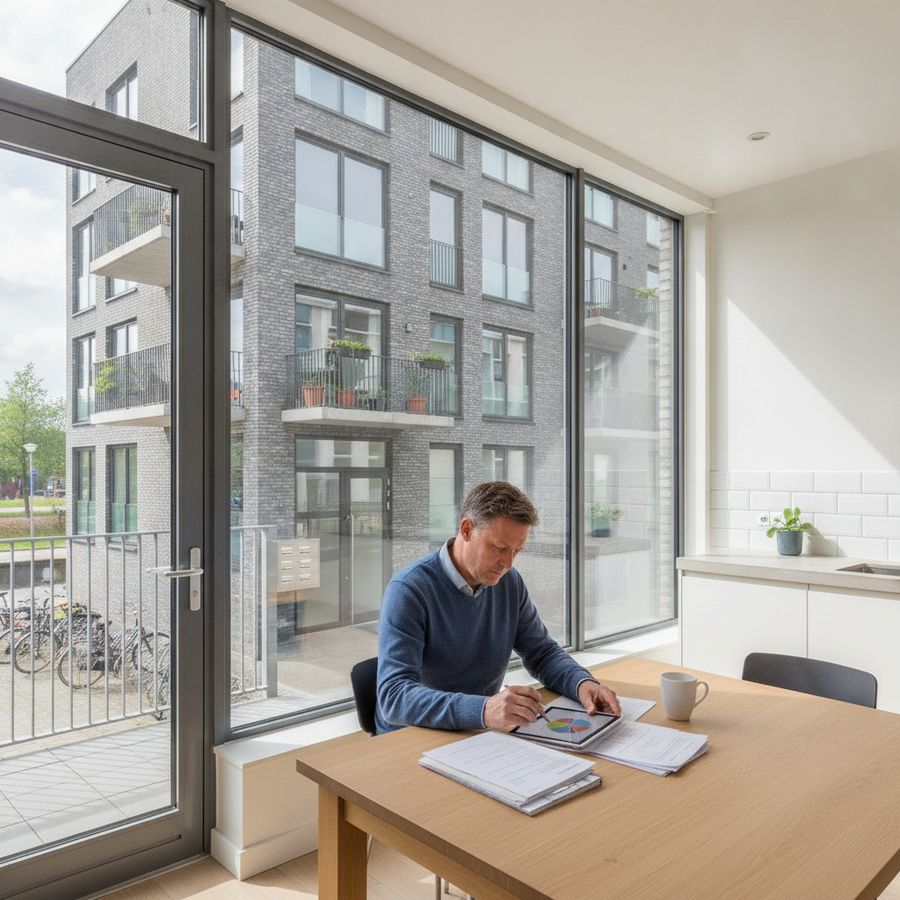
A shared VvE policy is useful, but it rarely gives an owner complete protection. If you rely only on the association’s insurance, you may find that damage inside your flat is only partly insured, or not insured at all. That is why many owners take out extra cover alongside the block policy.
The most common addition is cover for owner’s interest or interior improvements. Think of fitted flooring, upgraded kitchens, built-in wardrobes, designer bathroom finishes, or partition walls added after purchase. If the VvE policy only insures the original standard of the apartment, those upgrades may be your own responsibility.
Many owners also combine this with contents insurance apartment protection for movable belongings such as furniture, electronics, clothing, and appliances. In practice, the shared building policy and your personal policy should work together, not compete.
The biggest misunderstanding in flat insurance is assuming the association’s policy extends to every item inside your own front door.
When reviewing your needs, ask:
Does the VvE insure improvements made by current or previous owners?
Are glass, flooring, kitchens, and bathrooms included?
Is accidental damage covered, or only insured events like fire and storm?
A clear answer to those questions helps you build a policy that fits your apartment, not just the block it sits in.
Contents and Liability Cover Inside Your Flat
Inside your apartment, two policies matter most: contents insurance apartment and liability insurance. They protect very different risks, and both can be important for owners as well as tenants. Contents cover is designed for the things you could take with you if you moved, including sofas, laptops, curtains, artwork, kitchen gadgets, and bicycles stored at home, depending on the policy terms.
By contrast, liability insurance helps when you accidentally cause damage to someone else or their property. For example, if your washing machine leaks and damages the neighbour’s ceiling, or your child breaks a shared hallway window, personal liability cover may become relevant. This is not the same as building insurance, and it is not automatically included in all home policies.
For many households, the smartest approach is to match these covers to real life rather than buying the cheapest package. A larger apartment, valuable electronics, or a home office may justify broader protection.
Contents insurance protects what you own; liability cover protects you when your actions lead to someone else’s loss.
When choosing flat insurance, pay attention to limits, exclusions, and whether high-value items need to be declared separately. A low premium can look attractive until a claim reveals the policy was too narrow for your day-to-day risks.
Storm and Water Damage in Shared Spaces
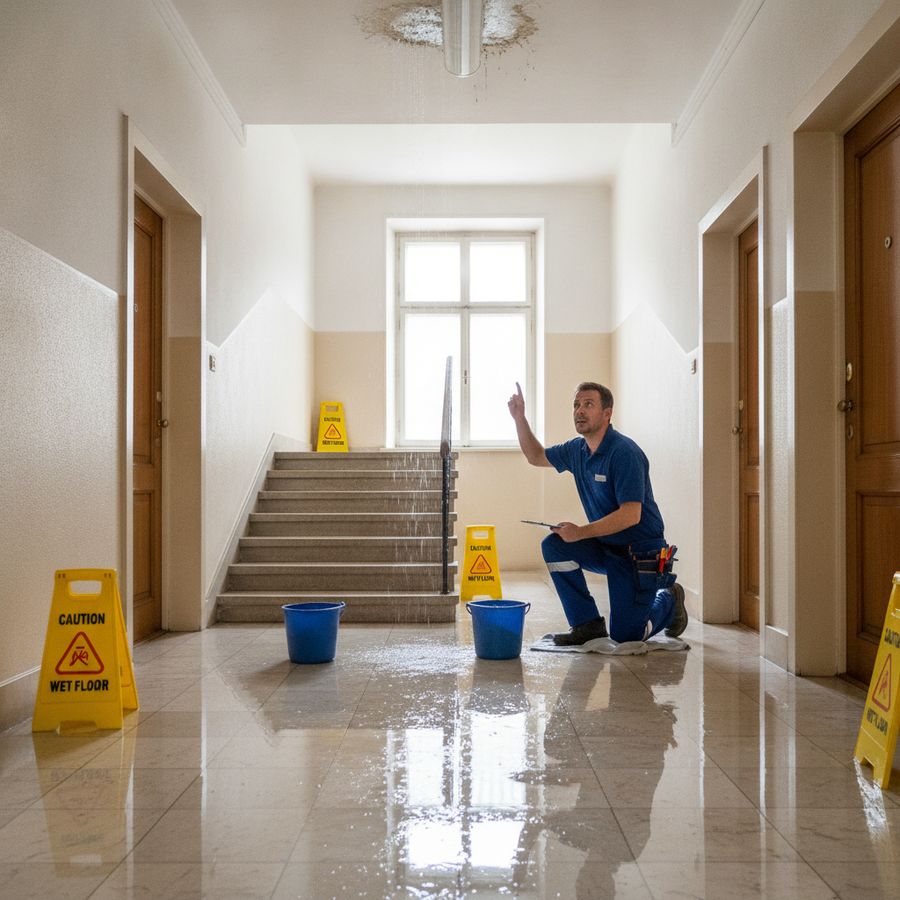
Storm and water damage are among the most common sources of confusion in an apartment block. If heavy rain enters through a damaged roof, the VvE’s building insurance apartment policy will often deal with the repair to the roof and perhaps related structural damage in shared areas. But when water then affects paintwork, flooring, or furniture inside individual apartments, responsibility can split quickly.
The cause of the damage usually matters as much as the location. Was the issue a sudden insured event, poor maintenance, a blocked drain, or a long-term leak? If the damage started in a communal pipe or roof element, the association may be involved first. If a washing machine hose burst inside a flat, the owner or resident may need to claim on their own policy.
Shared spaces such as entrance halls, basements, bicycle storage rooms, and stairwells often sit under the VvE policy, but policy wording still decides the outcome. Some insurers cover cleanup and repairs more broadly than others.
Water damage claims often turn on one practical question: where did the problem begin, and who was responsible for that part of the building?
After any storm or leak, act quickly:
Take photos immediately
Limit further damage if it is safe to do so
Inform the VvE board and your own insurer
Keep receipts for emergency costs
Fast reporting can make a major difference to how smoothly a claim is handled.
Renovations That Should Be Reported First
Not every renovation changes your insurance position, but many do. If you install a new kitchen, upgrade your bathroom, replace basic flooring with premium wood, move internal walls, or add built-in storage, the value and risk profile of your apartment can shift. In some cases, the VvE must be informed before work starts, especially when changes affect structure, sound insulation, plumbing, ventilation, or shared systems.
From an insurance point of view, renovations matter because they can change who should insure what. A standard VvE policy may cover the apartment only in its original state. If you create a higher-value finish, those additions may need to be declared under your own flat insurance or owner’s interest cover.
Work by contractors can also introduce temporary risks such as fire, water escape, or accidental damage to neighbouring units. That makes it sensible to confirm whether your contractor has their own liability cover and whether your insurer needs advance notice.
Renovation projects do not just change your home; they can also change the boundary between shared cover and personal cover.
Before starting works, check:
Whether VvE approval is required
If insured values should be updated
Whether contractors are properly insured
If the renovation affects neighbouring apartments or shared services
A short conversation before the work begins is often much easier than a disputed claim after the dust settles.
Claim Disputes Between Owner and Association
Claim disputes usually arise when both the owner and the VvE believe the other side should pay. This often happens after leaks, fire, subsidence, glass damage, or problems involving improvements made inside the apartment. The disagreement may not be about whether damage exists, but about whether it belongs under the master policy, the owner’s personal insurance, or no policy at all.
The first step is to gather documents, not assumptions. Review the VvE policy schedule, policy wording, apartment deed, house rules, and any inventory or renovation records. These papers help identify whether the damaged item counts as communal property, part of the original apartment, or a private upgrade.
Communication also matters. Owners should report the incident to both the VvE and their own insurer as early as possible, even if liability is unclear. Delays can create extra friction and may complicate the evidence.
Most apartment insurance disputes are resolved by tracing the damaged item back to ownership, maintenance responsibility, and the exact cause of loss.
If a disagreement continues, useful next steps include:
Requesting the insurer’s reasoning in writing
Asking the VvE board for the relevant policy documents
Getting an independent loss adjuster’s opinion
Keeping a timeline of events and all correspondence
Clear records often reduce emotion and help turn a vague conflict into a practical discussion about policy scope and responsibility.
A Practical Checklist Before Renewal
Before renewing any apartment insurance in the Netherlands arrangement, take the time to compare your coverage with the VvE’s policy. Renewal is the perfect opportunity to identify overlaps, close gaps, and update values. If you've improved your flat, purchased expensive electronics, or started working from home, your old policy may no longer suit your needs.
Start with the essentials: confirm what the association’s building insurance for apartments policy includes, then review your own contents, owner’s interest, and liability insurance. A robust insurance setup isn't necessarily the most expensive; it's one that accurately reflects how you use your apartment.
A simple annual review should cover:
Current rebuilding and contents values
Recent renovations or upgrades
Policy exclusions for water, storm, or accidental damage
Excess amounts you would need to pay yourself
Whether your contents insurance for apartments still aligns with what you own
A renewal review is more about ensuring each layer of protection still makes sense than about purchasing more coverage.
Finally, keep copies of the VvE policy summary, your insurance documents, and a home inventory with photos. If a claim arises, this preparation can save time, reduce stress, and clearly outline who covers what.


Reacties
Een reactie posten