Personal vs Commercial Building Insurance Explained
Two Policy Types Protect Different Property Risks
Personal vs commercial building insurance starts with one simple idea: the building’s purpose changes the kind of risk an insurer is agreeing to cover. A personal building policy is usually designed for private residential ownership, where the property is lived in by the owner or used in a straightforward domestic way. In contrast, commercial building insurance is built for premises connected to trade, tenants, clients, staff, stock, or public access.
That difference matters because losses rarely happen in the same way. A private home may face risks such as storm damage, escape of water, fire, or accidental structural loss. A business property may face those same threats, but it can also involve business interruption, higher foot traffic, specialist fittings, or greater building liability exposure if someone is injured on site.
Insurers do not simply cover a building as a structure; they price and define risk based on how that structure is used every day.
Understanding this distinction helps property owners avoid a common mistake: assuming one policy can stretch to cover every scenario. If the building supports a business operation, houses multiple uses, or receives regular visitors, the insurer will usually want a policy that reflects that real-world risk profile rather than a standard personal arrangement.
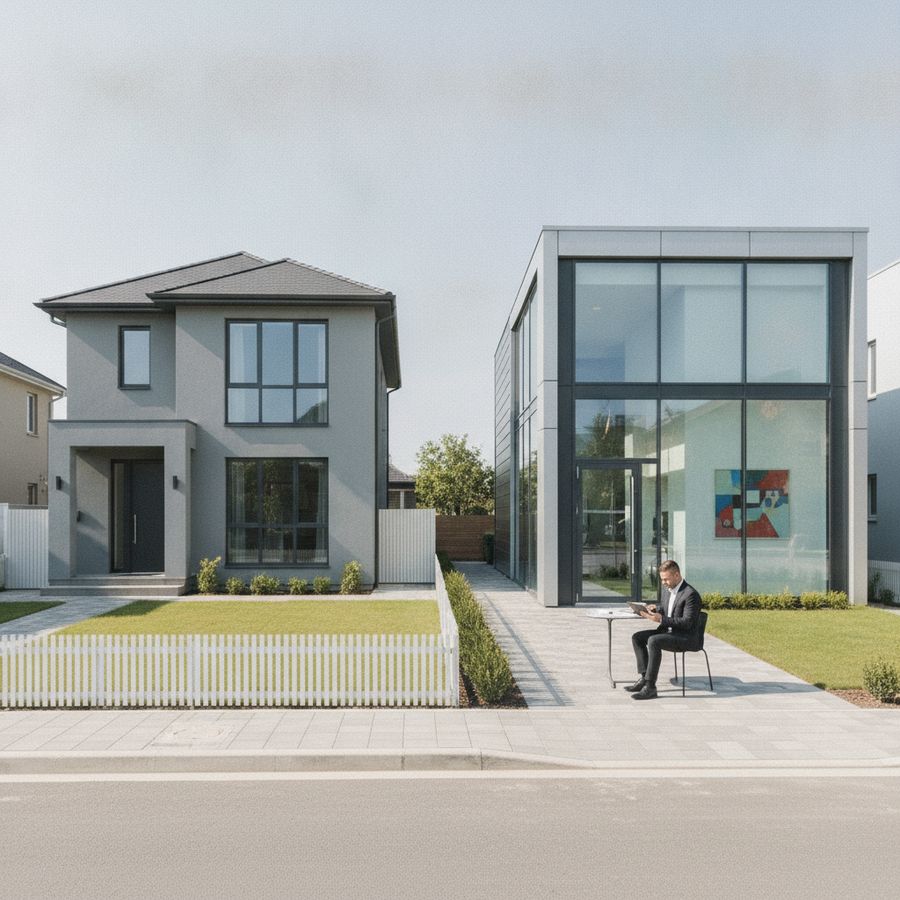
What Separates Private and Business Building Use?
The line between private and business use is not always obvious, but insurers pay close attention to it. A private building is typically occupied for domestic living, with no regular commercial activity taking place there. A business building, however, may be used for offices, retail, hospitality, storage, professional services, or rental activity that creates a commercial exposure.
The distinction is not only about whether money changes hands. It also involves how often the premises are visited, whether employees work there, and whether parts of the property are open to customers, contractors, or delivery drivers. These details can shift a property out of a standard residential category and into one that needs commercial building insurance.
A family home used solely for living is usually personal insurance territory.
A shop, office, salon, or workshop generally needs business cover.
A property with a flat above a retail unit may fall into the mixed-use buildings category.
Because of these grey areas, insurers focus on practical use rather than labels. Even if a building looks residential from the outside, regular trading activity inside can change the cover required. The safest approach is to describe the actual use in detail so the policy matches the building’s real exposure.
How Do Occupancy Rules Change Coverage?
Occupancy rules are one of the most important but misunderstood parts of property insurance. Insurers want to know who occupies the building, how often it is occupied, and whether any part of it sits vacant. These answers affect both eligibility and claims handling because occupied and unoccupied buildings carry different levels of risk.
For a personal property, coverage may assume the home is lived in regularly and maintained in a routine way. If it is left empty for extended periods, conditions can change quickly. Water leaks may go unnoticed, security can weaken, and vandalism or theft may become more likely. Commercial premises face similar concerns, but the rules can be stricter because business sites may contain equipment, stock, or customer-facing areas.
Occupancy is not a background detail; it is a core underwriting factor that can reshape the entire policy.
Insurers may also distinguish between owner-occupied, tenant-occupied, seasonal, and partially vacant space. In mixed-use buildings, one part may be active while another is empty, creating a more complex underwriting picture. If occupancy changes after the policy starts, the insurer often expects prompt notice. Failing to report that change can create gaps in cover, especially when a claim involves fire, escape of water, theft, or malicious damage.
Premium Models Reflect Different Liability Exposures
Premiums are not calculated by building size alone. They are heavily influenced by how likely the property is to produce a loss and how expensive that loss could become. That is why commercial building insurance often costs more than personal cover for a similarly sized structure. The risk model includes not only damage to the property, but also the broader building liability created by business activity.
A residential property may have limited third-party exposure if it is used only by the household and occasional guests. A business site can be very different. Customers may slip on wet flooring, contractors may work at height, or deliveries may create hazards in shared access areas. Each added interaction increases the insurer’s potential liability and influences the premium.
Higher visitor numbers usually increase liability exposure.
Specialist equipment or fit-outs can raise repair costs.
Tenant type and business activity may affect underwriting.
Claims history can materially influence price and terms.
This is why personal vs commercial insurance comparisons should never focus on price alone. A lower premium may simply mean fewer insured scenarios, tighter conditions, or lower liability protection. Good value comes from paying for a policy that reflects the actual risk environment, not from selecting the cheapest category on paper.
Mixed-use Buildings Need Careful Policy Drafting
Mixed-use buildings combine residential and commercial risk under one roof, which makes policy wording especially important. A property with a café below and flats above, or an office with an owner’s apartment attached, can easily fall between standard insurance categories. If the policy is not drafted carefully, one part of the building may be covered properly while another part is left exposed.
Insurers typically look at how the building is divided, who occupies each area, whether entrances are shared, and how fire, security, and maintenance responsibilities are managed. Even simple details such as shared stairwells, delivery access, or rooftop plant can affect how risk is viewed. This is one reason personal vs commercial decisions become more nuanced in blended properties.
When a building serves more than one purpose, the insurance should define each use clearly rather than relying on broad assumptions.
Careful drafting also helps avoid disputes after a claim. If a fire starts in a commercial kitchen and spreads into upstairs flats, the insurer will want policy language that clearly addresses the whole structure, connected liabilities, and any loss of rental or business use. For owners of mixed-use buildings, precise disclosure and tailored wording are usually far more important than simply choosing a standard residential or standard commercial form.
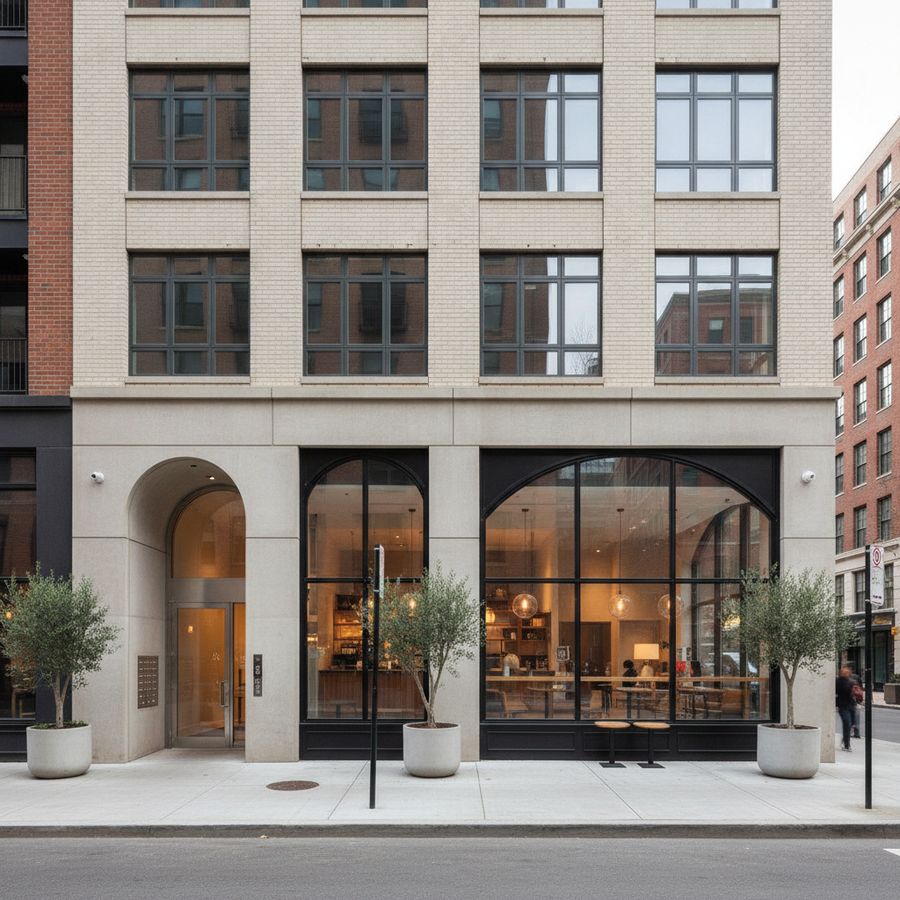
Which Claims Are Treated Differently Under Each?
Many property claims look similar at first glance, but they can be treated differently depending on whether the building is insured under a personal or business policy. Fire, storm, water damage, subsidence, and theft may appear in both policy types, yet the surrounding circumstances often change how the claim is assessed. The insurer will look closely at use, access, maintenance, and any business-related consequences.
For example, a residential water leak may focus mainly on repairing the structure and restoring normal living conditions. In a commercial setting, the same event could trigger additional issues such as damaged tenant improvements, interrupted trading, or liability concerns if the leak affects neighboring units. Likewise, theft from a vacant shopfront may be viewed through a different lens than theft from an occupied home because occupancy rules and security conditions may be stricter.
Business interruption is generally linked to commercial rather than personal policies.
Public access incidents may increase scrutiny of building liability.
Vacancy, tenant use, and stock storage can affect claim outcomes.
The key takeaway is that claims are not judged only by the damage itself. They are judged in the context of the policy’s intended use. That is why accurate classification from the outset is so important when comparing commercial building insurance with private cover.
Broker Questions That Clarify the Right Fit
If you are unsure which policy is appropriate, a broker can help translate the building’s day-to-day reality into the right insurance structure. The most useful conversations go beyond the address and rebuilding value. They explore who uses the property, how income is generated, whether any part is let, and what kind of visitors, employees, or contractors come through the site.
Good broker questions often encompass whether the building is fully occupied, if there are any vacant areas, whether the use might change soon, and if the property features shared spaces or multiple tenancies. These aspects significantly influence underwriting decisions regarding commercial building insurance, occupancy rules, and building liability.
The right policy usually becomes clearer when the building is described by function, traffic, and occupancy rather than by appearance alone.
Before arranging cover, be prepared to explain:
Whether the property is purely residential, purely commercial, or one of the mixed-use buildings insurers assess more carefully.
Who occupies each part of the premises.
Whether customers or members of the public visit regularly.
What changes are planned over the next policy period.
These answers help prevent underinsurance, incorrect policy placement, and claim disputes later. In any personal vs commercial decision, clarity at the start is often the best protection you can buy.
FAQs
What is the main difference between personal and commercial building insurance?
The main difference is the building's use. Personal building insurance is generally for domestic residential occupation, while commercial building insurance is designed for premises used for business, tenants, staff, customers, stock, or public access.
When does a property need commercial building insurance instead of personal cover?
A property usually needs commercial building insurance when it supports trading activity, has employees, receives regular visitors, includes tenant exposure, or is used partly or fully for business purposes. Insurers focus on the real day-to-day use rather than the building's appearance.
How do occupancy rules affect building insurance?
Occupancy rules affect eligibility, pricing, policy conditions, and claims handling. Insurers want to know whether the building is owner-occupied, tenant-occupied, seasonal, partly vacant, or fully empty because unoccupied space can increase the risk of unnoticed damage, theft, or vandalism.
Why are mixed-use buildings harder to insure?
Mixed-use buildings combine residential and commercial risks, which can create coverage gaps if the policy does not clearly define each part of the property. Shared entrances, different occupants, fire exposure, delivery access, and public interaction all make underwriting more complex.
Are claims handled differently under personal and commercial building policies?
Yes. Similar events such as fire, water damage, or theft can be assessed differently depending on the policy type because insurers also consider business interruption, public liability, tenant improvements, vacancy conditions, and how the premises were being used at the time of loss.


Reacties
Een reactie posten