Buildings Insurance vs Contents Insurance
Why the Two Policies Protect Different Risks
When comparing buildings insurance vs contents insurance, the key difference is simple: one protects the structure, and the other protects the things you keep inside it. Together, they form the core of a sensible home insurance plan, but they are designed for very different risks. If a storm damages the roof, that is usually a buildings issue. If a burglar steals a laptop, that is usually a contents issue.
Buildings insurance focuses on the permanent parts of the property and helps cover repair or rebuild costs after insured events such as fire, flood, or subsidence. Contents insurance, by contrast, is there for movable belongings like furniture, clothing, electronics, and valuables. Understanding this split matters because many people assume one policy automatically covers everything in the home.
Think of it this way: the building is the shell, while contents are the possessions that make the house feel lived in.
That distinction affects how claims are assessed, how sums insured are calculated, and who actually needs each type of policy. Owners often need both, while tenants usually need contents cover only. Knowing the difference helps you avoid gaps, duplication, and expensive surprises when you need to claim.

What Counts as Part of the Building
In most buildings insurance policies, the building means the permanent structure of the property and fixtures that would normally stay in place if the home were sold. That usually includes the walls, roof, floors, ceilings, windows, and doors. It can also extend to fitted kitchens, built-in wardrobes, bathroom suites, pipes, wiring, and attached garages or conservatories.
The exact definition can vary by insurer, which is why policy wording matters. Items that seem movable may still be treated as part of the structure if they are fixed in place. For example, a fitted hob or a permanently installed shower is often classed under the building rather than under contents insurance.
Structural walls and roof
Permanent fixtures and fittings
Built-in cupboards and fitted units
Plumbing, electrics, and drains
Sheds, fences, or driveways if listed in the policy
This distinction is especially important after fire or water damage. If a leak ruins plaster, flooring fixed to the subfloor, and kitchen units, the claim may sit under buildings cover. Always check whether outdoor structures and accidental damage are included as standard or added as optional protection.
Which Belongings Fall Under Contents Cover
Contents insurance protects the possessions you would typically take with you if you moved home. That includes sofas, dining tables, beds, TVs, laptops, clothing, rugs, toys, and kitchenware. In short, if it is not permanently attached to the building, there is a good chance it belongs under contents cover.
Many policies also include personal items such as jewellery, watches, artwork, and bicycles, but these may come with single-item limits or require special declaration if they are high in value. This is where people can be underinsured without realising it. A home full of everyday items can add up quickly, even before you count valuables.
Contents cover is not just about expensive gadgets; it is about replacing the practical things you use every day.
Some insurers offer optional extras for accidental damage away from home, which can help if a phone, laptop, or bag is lost or damaged outside the property. Theft cover is also a major feature, but terms vary. Check whether cover applies to sheds, outbuildings, and shared access areas, and whether proof of forced entry is required for certain claims. Good home insurance starts with a realistic inventory of what you own.
Claims Examples for Fire, Water, and Theft
Real-life claim scenarios show why buildings insurance vs contents insurance is such an important distinction. If a kitchen fire damages the ceiling, walls, and fitted cabinets, those repairs would usually fall under buildings insurance. If the same fire also destroys a freestanding microwave, dining chairs, and curtains, those losses would usually be handled through contents insurance.
Water damage works in a similar way. Imagine a burst pipe behind a wall. The damaged pipework, plaster, and built-in units may be treated as building elements, while a soaked rug, damaged sofa, and ruined books would more likely fall under contents cover. It is also worth noting that fixing the cause of damage is not always covered automatically, depending on the wording.
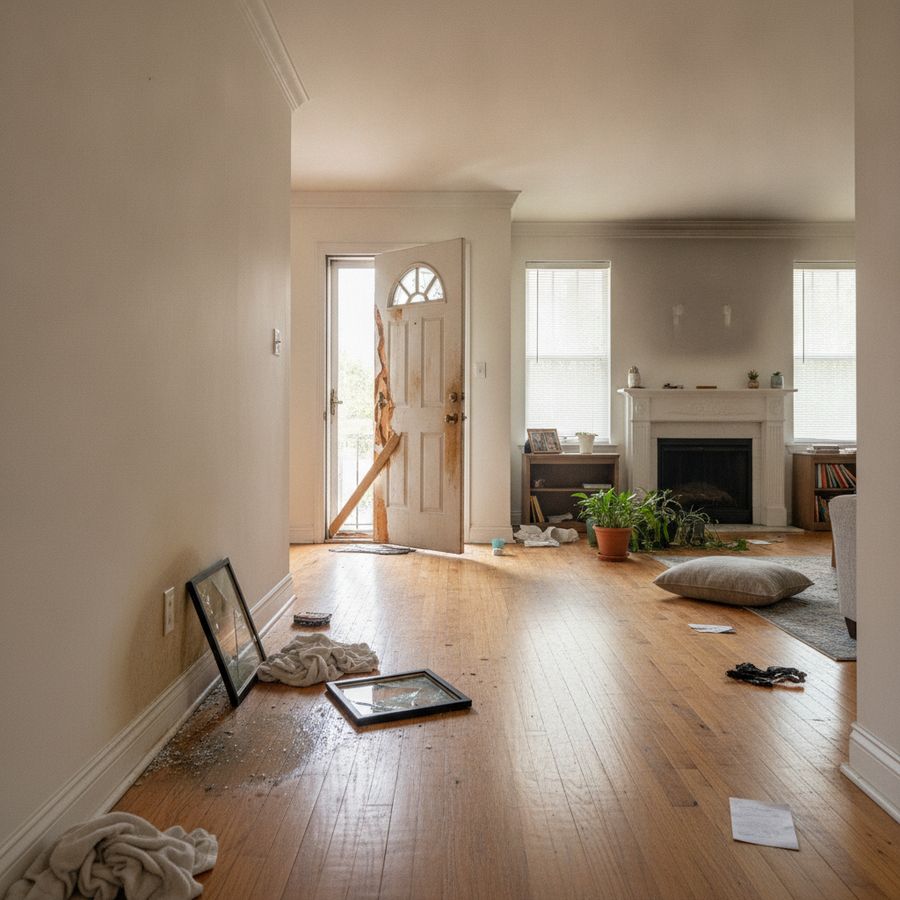
For burglary, theft cover usually applies to stolen belongings such as jewellery, cash within policy limits, electronics, or bikes, provided the security conditions have been met. Structural damage caused by forced entry, like a broken door or smashed window, is more likely to sit under the buildings side of home insurance.
Fire can trigger both building and contents claims
Water claims often split between structure and belongings
Theft may involve stolen items and property damage at the same time
When Homeowners Need Both Types of Cover
For most owner-occupiers, having both buildings insurance and contents insurance is the most complete way to protect a property. If you own the home, you are usually responsible for the structure as well as the belongings inside it. That means a single incident, such as a storm, fire, or escape of water, could affect both areas at once.
Mortgage lenders also commonly require buildings cover because the property itself is the asset securing the loan. Contents cover may not be mandatory, but replacing furniture, appliances, clothing, and personal items out of pocket can be extremely expensive. Many people underestimate the cost until they have to start again after a major loss.
Owning a home means protecting both the fabric of the property and the everyday life contained within it.
Combined home insurance policies can be convenient because they bring both protections together, sometimes with one excess structure and one renewal date. Even so, convenience should never replace careful review. Check the rebuild value for the building, the total replacement value of your contents, and any special limits for valuables or theft cover. The right setup is not simply the cheapest policy; it is the one that matches how you actually live and what you could realistically afford to replace.
How Tenants Can Avoid Paying for Overlap
Tenants typically require only contents insurance, as the landlord is usually responsible for insuring the building itself. Paying for complete buildings insurance as a renter often means covering a structure you do not own and are not expected to rebuild. This is a common way people end up with overlapping home insurance.
The first step is to review the tenancy agreement to see what the landlord covers. Generally, landlords insure the walls, roof, permanent fixtures, and sometimes their own furnishings if the property is let furnished. Meanwhile, tenants should insure their personal belongings like clothes, electronics, bedding, and small appliances.
Check whether the property is furnished or unfurnished
Ask what the landlord's policy already protects
Insure only your belongings and personal liability if needed
Review limits for valuables and theft cover
Tenants should also consider options for accidental damage and away-from-home coverage, especially if they regularly carry laptops, phones, or bikes. The objective is not to purchase the largest policy but the most relevant one. Clearly defining landlord responsibilities and tenant possessions helps avoid duplicate coverage while ensuring essential items are protected.


Reacties
Een reactie posten