MSV Cover Explained for Let Commercial Property
Basic, Extended and Top Cover Compared
When landlords compare MSV cover, the biggest mistake is assuming every policy responds in the same way once contamination is found. In practice, insurers usually divide cover into basic, extended and top cover, and the difference matters most when a tenant causes pollution through day-to-day operations rather than a dramatic one-off disaster.
Basic cover is normally the narrowest option. It is mainly designed for contamination following events such as fire, lightning or explosion. For a low-risk office let, that may be enough, but it can leave obvious gaps if the occupier stores oils, fuels or chemicals.
Extended cover broadens the insured causes and may include certain leaks, vandalism, collision or damage involving above-ground tanks and silos. Top cover goes further and is often the version landlords consider where the use creates genuine environmental exposure.
For let commercial property, the right level of MSV cover depends less on the building itself and more on what happens inside it.
That is why commercial property insurance should be reviewed alongside tenant activity, storage methods and any tanks or pipework present at the location.
What Counts as a Covered Emission?
A covered emission is the event that triggers the policy, but this is also where policy wording becomes decisive. In simple terms, an emission is the release, escape or spread of substances that contaminate soil, groundwater, surface water or nearby land. However, insurers do not all define this the same way, especially where the release is gradual rather than sudden.
Examples that may count include a sudden leak from an above-ground oil tank, firefighting water carrying pollutants after a blaze, or contamination escaping from damaged pipework. The challenge is that some policies only respond to a sudden, identifiable event, while others may also insure gradual pollution if the wording expressly allows it.
Landlords should check whether the policy addresses:
above-ground storage leaks
pipe or installation failures
spread to neighbouring plots or public land
pollution discovered after firefighting or demolition
Existing contamination is usually excluded, so a pre-letting soil baseline remains essential. Without that evidence, an insurer may argue the pollution was already present before inception.
A covered emission is not just about what leaked, but how, when and where the contamination became apparent.
How Does MSV Differ From Liability Insurance?
Landlords often ask whether liability insurance already solves the problem. Usually, it does not. An MSV policy is a first-party insurance, meaning it pays for clean-up at the insured site without first proving legal liability. That makes it very different from standard business liability or public liability cover.
Traditional liability insurance is built to compensate third parties for damage you are legally responsible for causing. If pollution remains on your own land, or on land you own and let, liability cover may not respond at all unless a third party claim exists. That leaves a serious gap for property investors and landlords.
MSV cover is designed to fund investigation, remediation and related environmental costs after a covered emission. It may also help with spread to neighbouring land, depending on the policy and limits. In contrast, liability insurance focuses on defending and paying claims brought by others.
Liability insurance asks who is legally at fault; MSV cover asks whether the pollution event is insured.
For that reason, the two covers are not interchangeable. In a strong commercial property insurance programme, MSV usually sits beside liability protection rather than replacing it.
Underground Tanks Create Difficult Acceptance Issues
Underground tanks are one of the hardest issues in environmental underwriting. From an insurer’s perspective, they combine three concerns at once: leaks can go unnoticed for long periods, contamination can spread widely before discovery, and historic records are often incomplete. That is why many insurers either exclude them, restrict them heavily or ask detailed technical questions before offering terms.
For landlords, the difficulty is even greater when the tank was installed by a previous tenant or inherited with the property purchase. You may not know its exact age, condition or contents, but you still carry the risk if a release affects the site. Even broad MSV cover may not rescue you if underground storage is specifically excluded on the schedule or in the wording.
Before applying, it helps to gather:
tank type, age and capacity
decommissioning or certification documents
inspection and maintenance records
soil investigation results around the installation
In many cases, removal or formal remediation improves insurability more than trying to argue for exceptions.
Old underground tanks can turn a straightforward property risk into a specialist environmental problem.
Neighbouring Land Contamination May Need Separate Limits
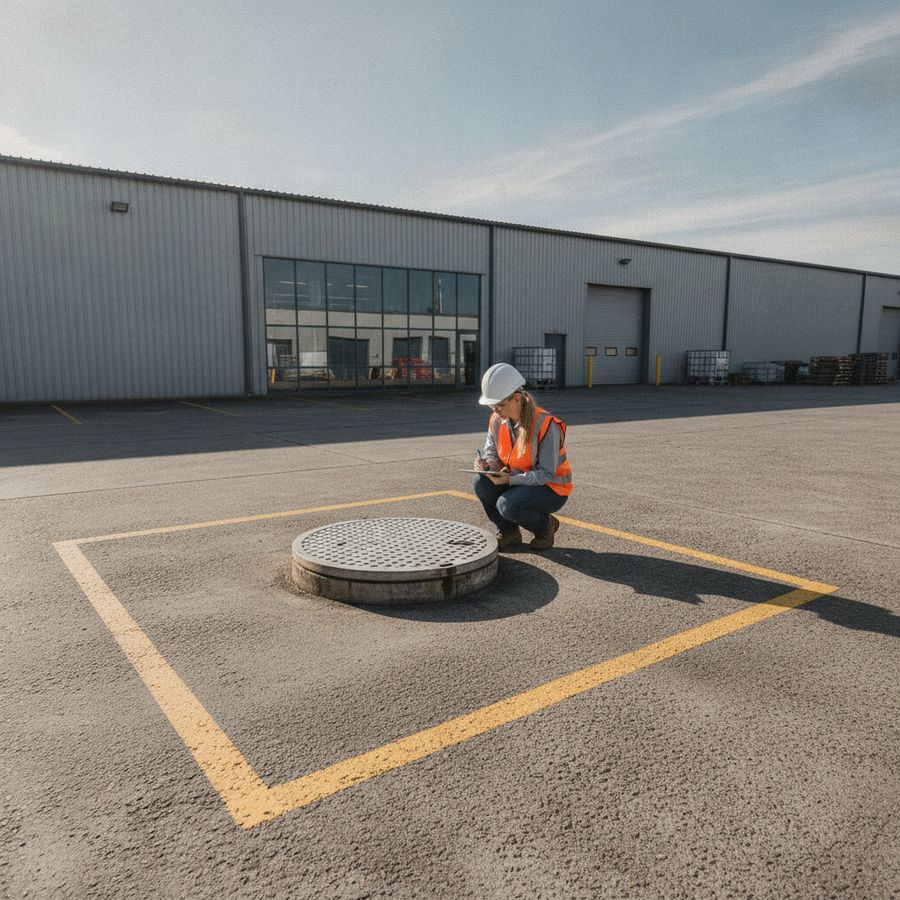
Pollution rarely respects boundaries. A leak that begins within your premises can migrate through soil, drains or groundwater and appear on adjoining land, public roads or surface water. This is why landlords should never assume that cover for their own site automatically includes the same amount for third-party locations.
Many insurers place a separate sub-limit on contamination that spreads beyond the insured address. That matters because off-site clean-up can become more expensive than remediation on your own plot, especially where authorities require broader investigation, traffic management or coordination with multiple owners.
For let commercial property, this exposure is particularly important where the building sits close to:
other commercial units
residential neighbours
canals, ditches or surface water
shared yards, access roads or loading areas
It is also relevant in multi-tenant sites where one occupier’s activity affects another occupier’s area. A landlord should therefore review not just the main sum insured, but also how the policy handles spread, defence costs and any requirement for written consent regarding clean-up on third-party land.
Off-site contamination is where an ordinary pollution claim can become a complex liability and cost-sharing dispute.
Policy Wording Decides Whether Rent Loss Applies
Many landlords assume that if a property cannot be used during remediation, rent loss cover must automatically follow. Unfortunately, that is not always true. Some MSV policies include a business interruption element, but whether that extends to lost rental income depends entirely on the wording and how the insured interest is described.
The distinction is important. A policy may cover remediation costs very well yet say little about the landlord’s lost rent while tenants vacate or units remain unlettable. Others may provide limited cover only for a defined period from the start of clean-up, subject to specific triggers and exclusions.
Before relying on a policy, check:
whether rental income is named as an insured interest
the indemnity period for loss of income
whether vacancy after contamination is covered
how waiting periods and excesses apply
This should be aligned with the wider commercial property insurance structure, especially where separate buildings or business interruption policies exist. Coordination avoids arguments between insurers after a claim.
When landlords buy MSV cover, the clean-up promise is only half the story; income protection is hidden in the wording.
Location Use Remains the Key Underwriting Factor
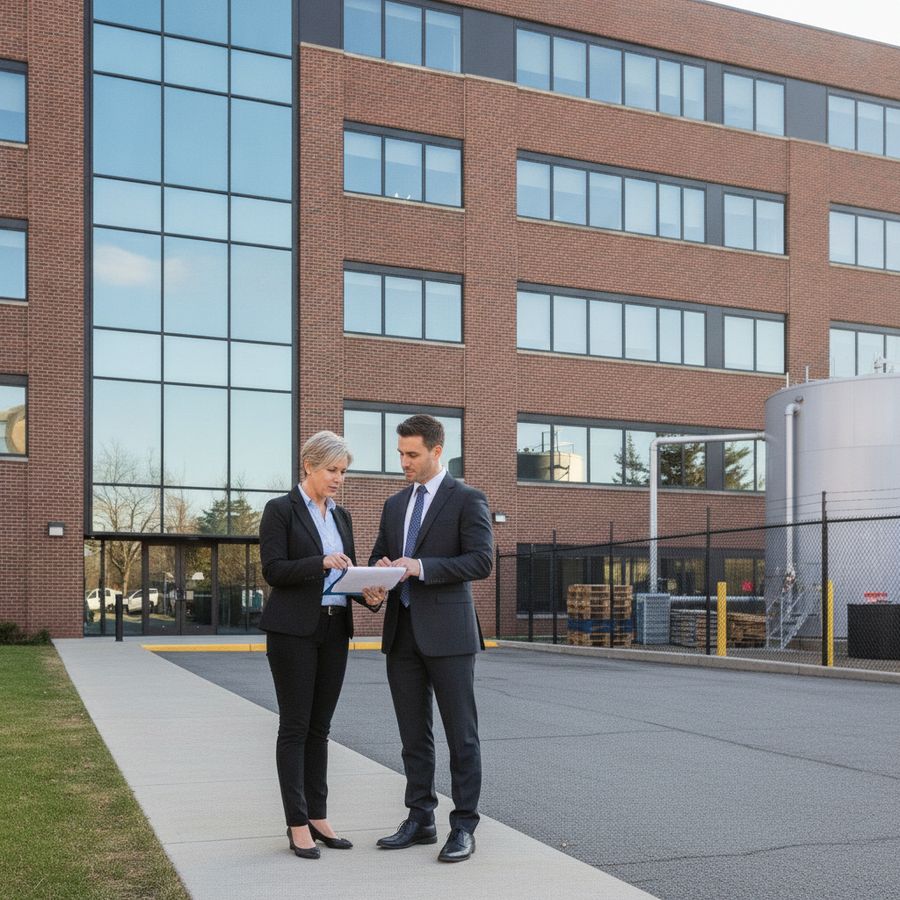
Insurers consider several factors, including building fabric, security, and maintenance standards, but the most significant aspect in environmental underwriting remains location use. For instance, a modern brick unit leased to a design agency poses a very different risk compared to the same unit occupied by a workshop, food producer, or fuel-related business.
This discrepancy arises because pollution risk is primarily driven by the activities, substances, and processes involved. The storage of oils, cleaning chemicals, waste liquids, tanks, drainage systems, and loading operations all influence the likelihood of a covered emission occurring. Therefore, even the same postcode can yield vastly different terms based on the tenant mix.
From a landlord’s standpoint, providing insurers with a clear operational picture is crucial, rather than a vague description like “commercial use.” Strong underwriting information typically includes:
Exact tenant activities
Hazardous substances stored on site
Presence of tanks, silos, or underground pipework
Historical and current soil data
Clear disclosure enhances acceptance and minimizes disputes down the line. It also helps position MSV cover as a tailored risk solution rather than an afterthought added to general commercial property insurance. For more insights on how to effectively manage your insurance needs, visit this link.
In environmental insurance, the tenant’s activity often matters more than the landlord’s ownership.
FAQs
What is MSV cover in commercial property insurance?
MSV cover is first-party environmental insurance that can pay for investigation, clean-up and remediation costs after an insured pollution event at the covered site. Unlike liability insurance, it does not usually depend on a third party first bringing a legal claim.
How is MSV cover different from liability insurance?
Liability insurance is mainly designed to respond when you are legally responsible for damage to others. MSV cover focuses on whether the pollution event itself is insured, which is why it may respond to contamination on your own insured land where no third-party claim has yet been made.
What counts as a covered emission under an MSV policy?
A covered emission is typically the release, escape or spread of contaminants into soil, groundwater, surface water or nearby land. Whether gradual pollution, leaks from tanks, damaged pipework or firefighting runoff are covered depends on the exact policy wording and any exclusions.
Why are underground tanks difficult for insurers to accept?
Underground tanks are harder to underwrite because leaks may remain hidden for long periods, contamination can spread before discovery and historic records are often incomplete. Insurers may exclude them, restrict cover or require inspection records, certifications and soil investigation data before offering terms.
Does MSV cover include rent loss during remediation?
Not automatically. Some policies include business interruption or loss of rent, but landlords need to confirm that rental income is specifically insured, check the indemnity period and review waiting periods, excesses and vacancy wording.


Reacties
Een reactie posten