Third-party vs All-risk: Choosing the Right Cover
The Cost Difference Between Core Policy Types
When comparing third-party vs all-risk, price is usually the first thing drivers notice. A basic third-party policy is normally the cheapest because it focuses on liability insurance—covering damage you cause to other people, their vehicles, or their property. It does not usually pay for repairs to your own car after an at-fault accident. That narrower protection keeps premiums lower, which can make it attractive for budget-conscious motorists.
At the other end, all-risk insurance costs more because it combines liability with broader protection for your own vehicle. Depending on the insurer, this can include collision damage, vandalism, weather events, and stronger theft protection. Between those two sits limited casco, often seen as a middle-ground option. It can help cover specific risks to your own car, such as theft, fire, storm, or glass damage, without the full cost of all-risk cover.
The cheaper policy is not always the lower-cost choice if one claim could leave you paying thousands out of pocket
When assessing car insurance cover, compare not just premium price, but also deductibles, exclusions, vehicle value, and how much financial risk you can comfortably absorb yourself.

When Is Third-party Cover Enough?
Third-party cover can be enough when your main goal is to meet legal requirements and protect yourself against claims from others. If your car has a low market value, paying for extensive damage cover may not always make financial sense. In that case, a simpler policy focused on liability insurance can be a practical option, especially if replacing the vehicle would not create major financial strain.
This level of car insurance cover may also suit drivers who use their vehicle infrequently, keep it parked in a secure place, and are comfortable taking on the risk of damage to their own car. However, it is important to be realistic: third-party insurance will not usually help if your vehicle is stolen, damaged by a storm, or written off in an accident you caused.
Older cars with limited resale value
Drivers with a tight monthly insurance budget
Vehicles that are easy and inexpensive to replace
Owners who can self-fund non-liability losses
In the third-party vs all-risk decision, third-party works best when the potential loss to your own car is manageable—and when saving on premium matters more than broad protection.
How Does All-risk Protect Older Cars?
Many drivers assume all-risk insurance is only worthwhile for new vehicles, but that is not always true. For some older cars, it still offers valuable peace of mind. If the vehicle is well maintained, difficult to replace, or important for daily commuting, broader car insurance cover may protect you from a sudden expense that would be hard to absorb. This is especially relevant when repair costs remain high even though market value has declined.
All-risk generally extends beyond liability insurance by covering damage to your own vehicle after collisions, weather events, vandalism, and often stronger theft protection. For an older car, that can matter if parts are expensive, local theft rates are rising, or you depend on the vehicle for work and family travel. The question is not only what the car is worth on paper, but what losing it would mean in real life.
An older car can still deserve premium protection if its replacement cost, usefulness, or theft exposure remains significant
In the third-party vs all-risk comparison, all-risk may be justified when the vehicle still plays a high-value role in your routine and your savings would take a hit after a major loss.
Liability, Theft, and Damage Explained Clearly
Insurance terms can sound technical, but the basics are straightforward. Liability insurance covers harm you cause to others. If you are responsible for an accident, this part of the policy can pay for another driver’s repairs, medical costs, or damage to property. It protects your finances from potentially large claims, which is why it forms the foundation of most motor policies.
Theft protection is different. It addresses the loss of your vehicle, or sometimes damage caused by attempted theft, depending on policy wording. This is where limited casco often becomes relevant, because it may include theft, fire, glass breakage, and storm damage without offering the full collision protection of all-risk.
Damage cover for your own car after an accident is where the biggest divide in third-party vs all-risk appears. Third-party usually does not pay for your own repairs if you caused the crash. All-risk generally does.
Third-party: protects against claims from others
Limited casco: adds selected risks to your own vehicle
All-risk: offers the broadest overall car insurance cover
Understanding these categories makes it easier to choose a policy that fits both your vehicle and your risk tolerance.
Which Drivers Benefit From Limited Casco?
Limited casco is often ideal for drivers who want more than basic third-party insurance but do not need the full scope of all-risk cover. It can suit owners of mid-value or aging vehicles that are still worth protecting against non-collision risks. If your biggest concerns are theft, storm damage, broken glass, or fire rather than paying for every accident repair, this middle-tier option may offer strong value.
It can also work well for experienced drivers with a solid claims history who are comfortable handling some repair costs themselves. In the third-party vs all-risk debate, limited casco is frequently the compromise choice: lower premiums than all-risk, but broader car insurance cover than liability-only protection. This makes it appealing where full all-risk feels expensive, yet basic cover feels too exposed.
Limited casco is often the smart answer when you want targeted protection instead of maximum protection
Drivers who may benefit include:
Owners of cars with moderate market value
Drivers in areas with elevated theft risk
People who park outdoors regularly
Motorists who want theft protection without full collision cover
If you want balanced protection and predictable costs, limited casco can be the most efficient step up from basic liability insurance.
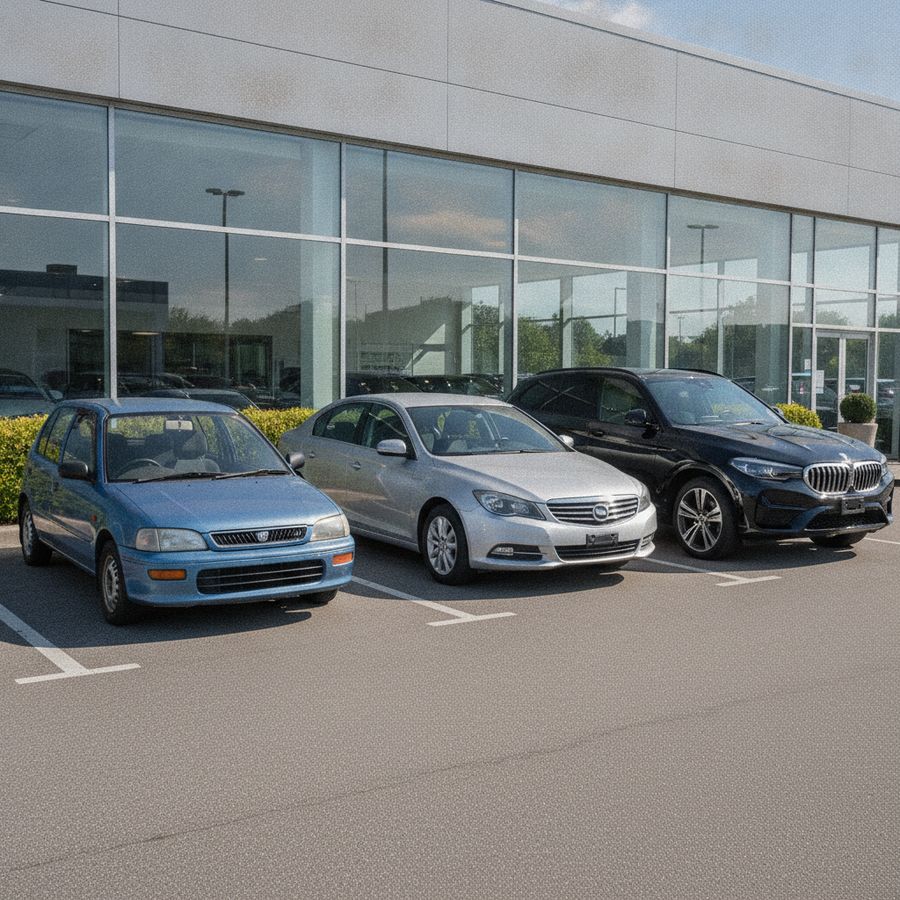
A Practical Cover Matrix by Car Value
One effective way to select car insurance cover is to align the policy depth with the vehicle's value. For low-value cars, third-party insurance is often sufficient, as the cost of extensive coverage may surpass the advantages. If your vehicle is worth relatively little and easy to replace, prioritizing liability insurance can be a sensible approach to manage premiums while remaining safeguarded against third-party claims.
For vehicles in the mid-range, limited casco usually makes the most sense. It provides essential features like theft protection, fire, weather, or glass coverage without fully committing to all-risk pricing. For high-value cars, newer models, financed vehicles, or those with costly parts, all-risk coverage typically offers the best protection, as a single loss could be significant.
Low car value: third-party may be sufficient
Mid car value: limited casco is often the best balance
High car value: all-risk usually offers the safest protection
Ultimately, the third-party vs all-risk decision is less about terminology and more about aligning your premium with what you can afford to lose. A well-chosen policy protects your finances, not just your vehicle. For more information on selecting the right coverage for your needs, visit Dutch Car Insurance.
FAQs
What is the main difference between third-party and all-risk car insurance?
Third-party insurance mainly covers liability for damage or injury you cause to other people, their vehicles, or their property. All-risk insurance usually includes that liability protection plus broader cover for your own vehicle, such as collision damage, theft, vandalism, and some weather-related losses.
When is third-party cover usually enough?
Third-party cover is often enough when your car has a low market value, is inexpensive to replace, and you can afford to handle damage or total loss to your own vehicle yourself. It is typically chosen to keep premiums low while still meeting legal liability requirements.
What does limited casco usually cover?
Limited casco is commonly a middle-ground policy that adds selected protection for your own car beyond basic liability insurance. Depending on the insurer, it may cover theft, fire, glass damage, storm damage, and sometimes attempted theft, but it usually does not include full collision cover like all-risk.
Can all-risk still make sense for an older car?
Yes, all-risk can still be worthwhile for an older car if it is hard to replace, costly to repair, important for daily commuting, or exposed to theft or weather risks. The decision depends not just on market value, but also on the financial impact of losing the vehicle.
How should I choose between third-party, limited casco, and all-risk?
A practical way to choose is to match the cover level to your car’s value, replacement cost, and your ability to absorb unexpected losses. Third-party often suits low-value cars, limited casco fits many mid-value vehicles, and all-risk is usually strongest for high-value, newer, financed, or expensive-to-repair cars.


Reacties
Een reactie posten