Young Drivers in the Netherlands: Cutting Premiums Legally
Age and Experience Drive Premium Pricing
For insurers in the Netherlands, age is not just a demographic detail; it is a shorthand for claims probability. A newly licensed motorist is statistically more likely to make mistakes in traffic, misjudge speed, or underestimate stopping distance. That is why young driver insurance often starts at a noticeably higher rate than cover for older motorists with clean records. Premium models usually weigh both the driver’s age and the number of claim-free years they have built up.
Experience matters because insurers price for proven behavior, not just good intentions. A 19-year-old who has only recently passed their test will usually pay more than a 24-year-old with several years of incident-free driving. Even a short period of safe driving can improve how insurers view risk over time, especially when there are no missed payments, no undisclosed modifications, and no traffic offences.
Premium pricing is often a reflection of limited driving history rather than personal character
If you are comparing cheap car insurance, focus on the factors you can influence early. These often include:
keeping a clean licence
avoiding unnecessary claims
choosing a modest first car
building documented driver history consistently
For young motorists, the fastest legal route to lower costs is usually simple: reduce risk in ways an insurer can clearly measure.

Which Cars Are Cheapest to Insure?
The cheapest cars to insure are usually not the newest, fastest, or most desirable models. Insurers tend to prefer vehicles with smaller engines, modest market values, widely available parts, and strong safety equipment. In practice, that means a compact hatchback often attracts better pricing than a sporty coupe, a luxury model, or a heavily modified car. For anyone shopping for young driver insurance, the car itself can shape the premium almost as much as the driver profile.
Underwriters also assess how likely a vehicle is to be stolen, how expensive it is to repair, and how often it is involved in high-cost claims. A sensible first car can therefore unlock more competitive quotes than a vehicle that looks exciting but triggers risk concerns. This is especially relevant for young drivers, who already face a pricing disadvantage because of age and limited history.
When hunting for cheap car insurance, look for models with a reputation for affordability rather than image. Useful traits include:
low engine power
good Euro NCAP safety ratings
standard factory parts
no performance modifications
lower theft appeal
A practical rule is to check insurance costs before buying the car. A bargain purchase price can quickly lose its appeal if the annual premium is disproportionately high.
How Does Named-driver Status Change Risk?
Named driver status can affect risk perception, but it must be used honestly. When a young motorist is added to another person’s policy as an occasional driver, insurers may see that arrangement as lower risk than a standalone policy, especially if the main policyholder is older and experienced. However, this only works when the policy accurately reflects who uses the car most often and for what purpose.
The biggest mistake is fronting, where a parent or older driver is declared as the main user even though the younger person is really the primary driver. That can look like a shortcut to cheap car insurance, but it is a serious misrepresentation. If an insurer discovers it after a claim, cover can be reduced, cancelled, or even refused altogether in future applications.
Named-driver status lowers risk only when the policy mirrors real driving habits
Used correctly, this setup can still be valuable. It may help a young person gain legitimate driving exposure while using a family car for limited journeys. Insurers will usually consider:
who keeps the car most of the time
who drives the highest annual mileage
whether commuting is involved
where the vehicle is parked overnight
For long-term savings, transparency matters more than trying to outsmart underwriting. Accurate disclosure protects cover and helps build a usable insurance history.
Telematics Rarely Replaces Good Driver History
Telematics policies promise a modern solution for young drivers: let the insurer monitor how, when, and how far the car is driven, and pricing may improve. In some cases, that can help, especially for cautious motorists who avoid harsh braking, night driving, and rapid acceleration. But telematics is not a magic replacement for a strong claims record. Insurers still place major weight on proven, long-term driver behavior.
That means a black-box or app-based policy may reduce premiums at the margin, yet it will not usually erase the pricing impact of being newly licensed. If a driver has no established insurance history, telematics can provide extra reassurance to underwriters, but it rarely carries the same value as several claim-free years. It is best viewed as one factor within a bigger risk profile.
For some young motorists, telematics can even become restrictive if the policy penalises driving at times associated with higher accident rates. Before choosing it, check how the insurer scores use and whether it affects renewal pricing.
Technology can support better pricing, but consistency behind the wheel still matters most
If you want lower young driver insurance costs, use telematics as a tool rather than a shortcut. The real goal is to create a clean, credible history that makes future underwriting decisions easier and more favourable.
What Excess Levels Reduce Monthly Costs?
One of the clearest ways to lower monthly premiums is to adjust the excess. The driver excess is the amount you agree to pay toward a claim before the insurer contributes. In general, a higher voluntary excess can reduce the premium because you are taking on more of the immediate financial risk. For budget-conscious drivers, that can make a policy look more affordable on paper.
However, cheaper monthly costs are only useful if the excess remains realistic. A very high excess may save money now, but it can become a problem after even a minor accident. Young drivers should balance affordability with what they could genuinely pay at short notice. There is little value in choosing a policy that becomes unusable when a claim happens.
Before increasing the driver excess, review these points carefully:
the compulsory excess set by the insurer
any additional young driver excess applied by age
the total amount payable after a claim
whether the saving justifies the extra risk
In many cases, a moderate increase works better than an aggressive one. It can trim the premium while keeping the policy practical.
The best excess level is not the lowest or the highest; it is the one you can comfortably fund if something goes wrong
That balanced approach often leads to more sustainable cheap car insurance over time.
Safer Parking Can Improve Underwriting Terms
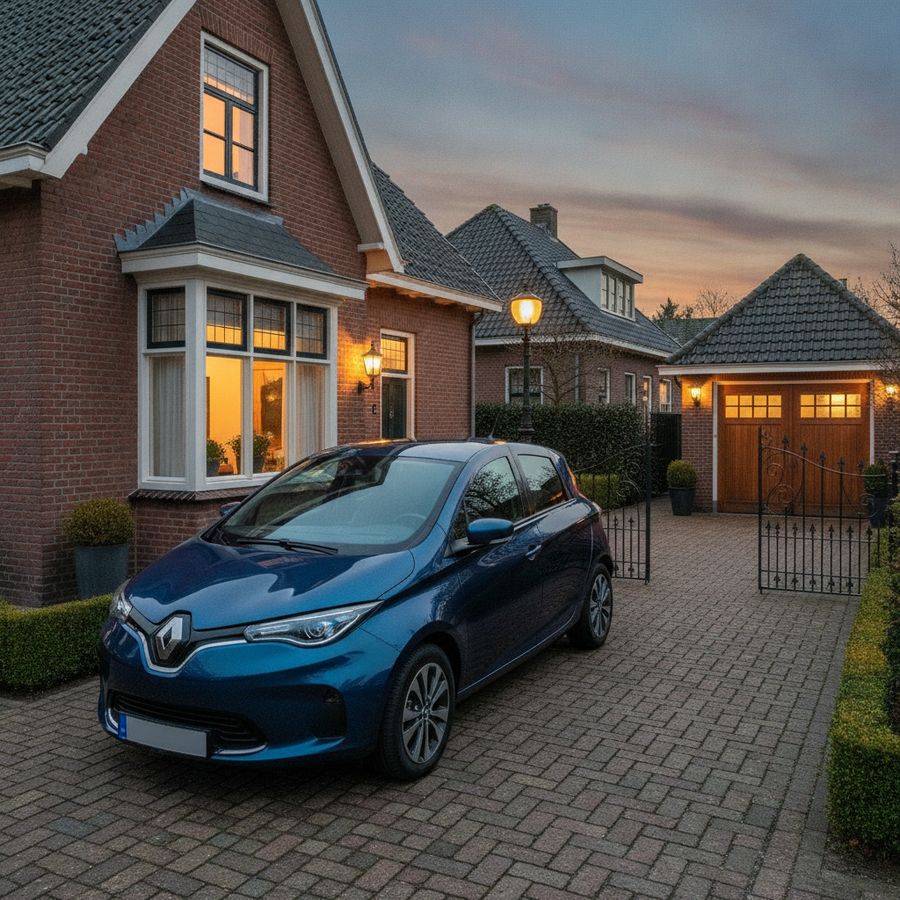
Where a car spends the night can influence pricing more than many first-time buyers expect. Insurers look closely at parking because theft, vandalism, and accidental damage are all linked to location and security. A vehicle kept in a locked garage or on a private driveway will often be viewed more favourably than one regularly parked on the street in a busy urban area. That can directly improve underwriting terms for a young motorist.
This matters because underwriters are not only pricing accident risk; they are also estimating the chances of non-driving losses. If two otherwise similar applicants own the same car, the one with safer overnight parking may receive better terms or a lower premium. In dense Dutch cities, even small details such as controlled access, lighting, and neighbourhood claim patterns can affect how the risk is assessed.
Young drivers should be accurate when describing parking arrangements. It can be tempting to choose the answer that seems cheapest, but inconsistent information may create problems later. Useful risk-reducing measures include:
secured garage parking
private driveway use
well-lit residential areas
approved immobilisers or alarms
Improved underwriting terms often come from stacking several sensible choices together. Safe parking will not solve every pricing issue, but it can be one of the simplest legal ways to strengthen an insurance application.
Mistakes That Make Young Drivers Uninsurable
Most young motorists are not truly uninsurable, but some decisions can push them into a very limited and expensive part of the market. The biggest red flags are usually not age alone; they are signs that the applicant may be unreliable, evasive, or high risk. Missed payments, non-disclosure, drink-driving offences, repeated claims, and policy cancellations can all make insurers far more cautious.
One common error is providing incomplete information when seeking cheap car insurance. Omitting modifications, underestimating mileage, or misreporting who drives the car most frequently may seem trivial, but insurers consider these as crucial facts. Another significant issue is allowing your coverage to lapse, only to attempt a restart with an impaired insurance record. Even administrative errors can undermine trust if they occur frequently.
Insurability is often lost due to poor disclosure and risky behaviors, not just due to youth.
To maintain access to the market, avoid these pitfalls:
Fronting or misusing named driver status
Failing to declare accidents or convictions
Modifying a car without notifying the insurer
Missing payments and risking cancellation
Choosing a policy with an unaffordable driver excess
The good news is that many of these risks are preventable. Careful disclosure, consistent payments, and prudent driving habits can help ensure coverage remains available and enhance future pricing opportunities.
FAQs
Why is young driver insurance more expensive in the Netherlands?
Insurers usually charge more because younger drivers often have less driving history, fewer claim-free years, and a higher perceived probability of accidents. Pricing also depends on the car, overnight parking, annual mileage, prior claims, and any convictions or payment issues.
What type of car is usually cheapest to insure for a young driver?
A small, modest car is usually cheaper to insure than a fast, luxury, or modified model. Insurers often prefer vehicles with lower engine power, good safety ratings, affordable parts, lower theft appeal, and standard factory specifications.
Does telematics significantly reduce premiums for young drivers?
Telematics can help if it shows careful driving, but it rarely replaces the value of a clean claims record and several claim-free years. It is best treated as a supporting factor rather than a complete solution to high premiums.
Can being a named driver lower insurance costs?
Yes, being added as a named driver on someone else's policy can sometimes reduce costs if the arrangement accurately reflects real driving habits. It must be disclosed honestly, because fronting or misrepresenting the main driver can lead to claim problems or policy cancellation.
How does excess affect the monthly cost of car insurance?
A higher voluntary excess can reduce the monthly premium because you agree to pay more toward a claim. However, it only makes sense if the total compulsory and voluntary excess remains affordable after an accident.


Reacties
Een reactie posten